TL;DR:
- The 2026 skincare trend centers on skin longevity, emphasizing proactive, preventive care over corrections after damage occurs. It promotes simplified routines with evidence-based actives like PDRN, miRNA modulators, and advanced delivery systems to support long-term cellular health. This shift aligns with the broader prejuvenation philosophy, focusing on maintaining barrier integrity and overall skin function rather than chasing short-term aesthetic fixes.
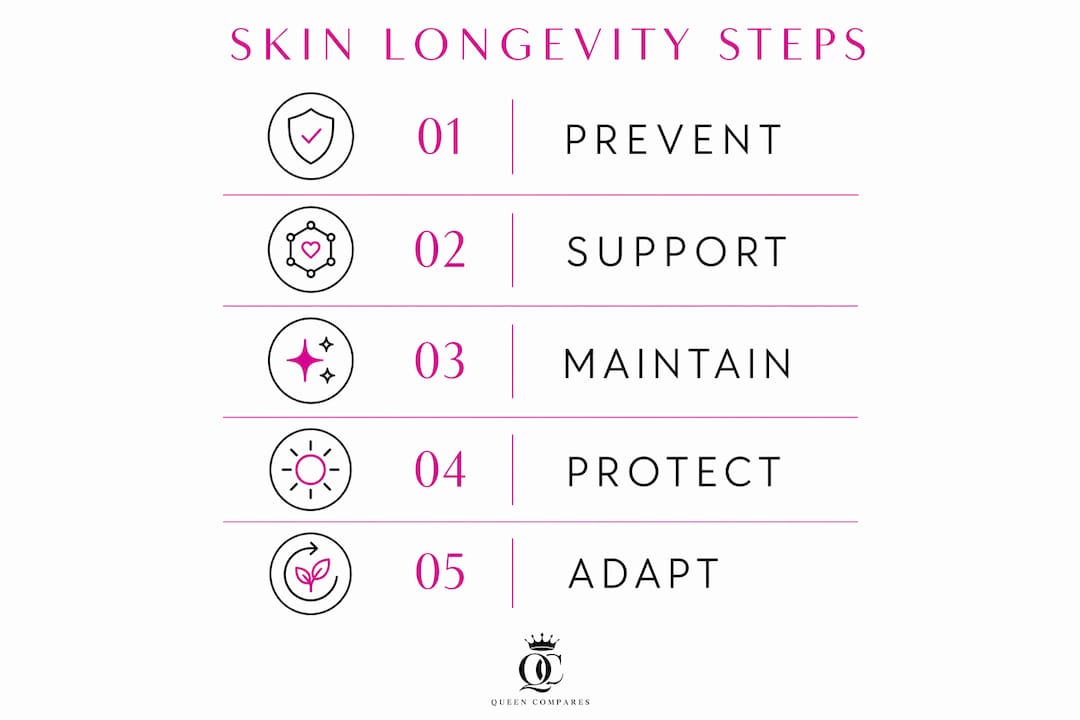
The defining 2026 skincare trend is skin longevity, a philosophy that prioritizes proactive, preventive maintenance over corrective treatments applied after visible damage appears. Industry professionals call this approach “prejuvenation,” a term that captures the shift from fixing problems to preserving cellular health before those problems develop. New biotechnology, including nucleic acid actives like PDRN and miRNA modulators, combined with a return to simplified routines, defines what the 2026 skincare routine guide looks like in practice. If you want to understand what is 2026 skincare trend explained in full, the answer starts with one core idea: your skin is a long-term investment, not a short-term fix.
What is skin longevity and why is it central to 2026 skincare?
Skin longevity is defined as the practice of supporting cellular resilience, barrier integrity, and regenerative function over time rather than targeting isolated cosmetic concerns. It treats the skin as a biological system that responds to consistent care, lifestyle inputs, and scientifically validated actives. This is not about looking younger overnight. It is about keeping skin functionally healthy for decades.
The biological focus of skin longevity centers on three processes: controlling chronic low-grade inflammation, supporting barrier repair, and maintaining cellular regeneration. Nucleic acid actives like PDRN and miRNA modulators work at the cellular level to fine-tune gene networks responsible for these processes. MicroRNA molecules of approximately 22 nucleotides regulate inflammation and barrier repair signals, making them one of the most targeted tools in modern skincare science. That level of precision was simply not available in consumer products five years ago.
Lifestyle factors carry equal weight in this framework. Sunscreen, quality sleep, regular exercise, and stress management all directly influence how skin ages at the cellular level. Longevity-focused care integrates these behavioral inputs alongside topical routines, recognizing that no serum compensates for chronic sleep deprivation or unprotected UV exposure. This is a meaningful departure from the product-centric thinking that dominated skincare for the past decade.
Foundational ingredients like retinoids, antioxidants, and peptides remain the backbone of any longevity-focused routine. Newer compounds such as NAD+ and PDRN are emerging in advanced formulations, supported by growing clinical evidence. The key distinction is that these actives are chosen for their biological function, not their marketing appeal.
Key longevity-focused ingredients to know:
-
Retinoids: Decades of clinical evidence support their role in cellular turnover and collagen synthesis.
-
Peptides: Signal proteins that prompt skin repair and barrier reinforcement.
-
NAD+ precursors: Support mitochondrial function and cellular energy production in skin cells.
-
PDRN (Polydeoxyribonucleotide): Derived from salmon DNA, it activates tissue repair receptors and reduces inflammation.
-
miRNA modulators: Fine-tune gene expression networks tied to skin health and regeneration.
Pro Tip: Before adding any longevity-focused active to your routine, check its delivery system. An ingredient is only as effective as its ability to reach the target cell layer. Concentration alone does not determine results.
How is prejuvenation reshaping skincare routines?
Prejuvenation is the behavioral expression of skin longevity. It describes the shift toward consistent, preventive routines that protect what you have rather than attempting to reverse what has already changed. The most visible outcome of this philosophy is the rise of “skinimalism,” a term describing simplified routines built around fewer, higher-quality products.
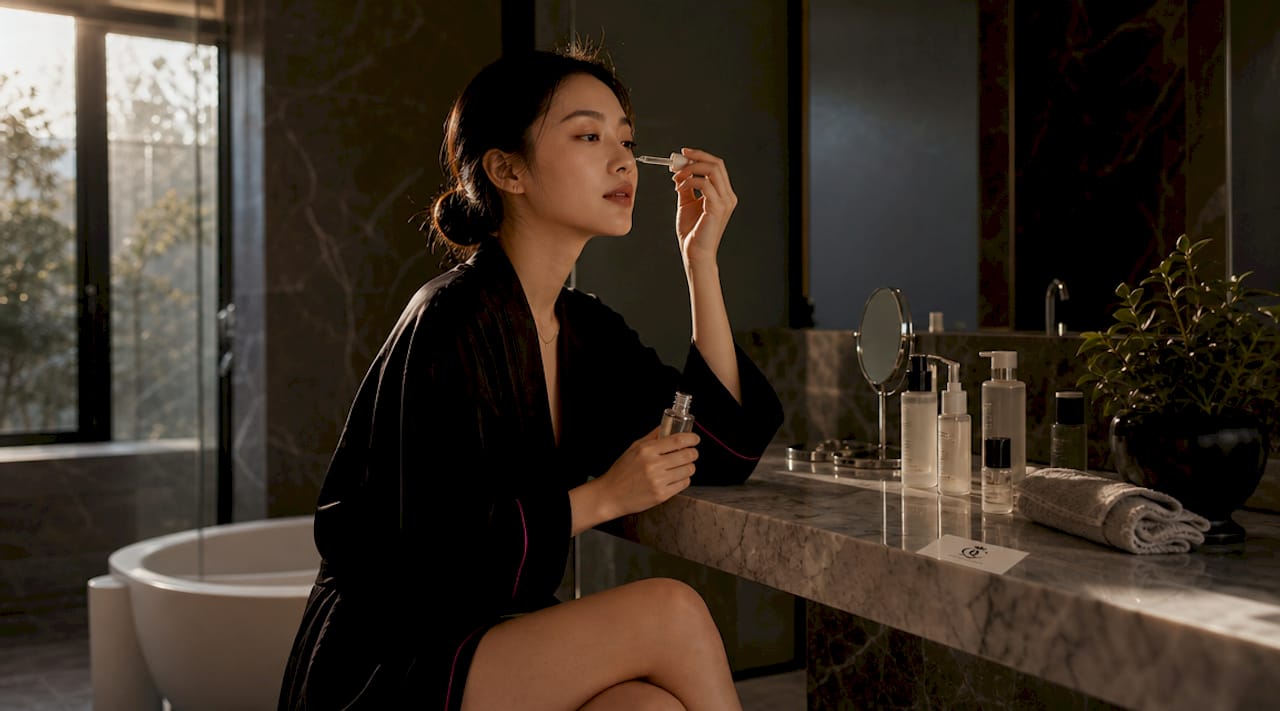
Skinimalism in 2026 typically means one cleanser, one to two targeted serums, one moisturizer, and SPF. That is the entire daily protocol for many dermatologist-recommended routines. The logic is straightforward: excessive layering of actives compromises the skin barrier, increases irritation risk, and reduces the efficacy of individual ingredients by creating unpredictable interactions.
A practical prejuvenation routine looks like this:
-
Gentle cleanser: Remove surface debris without stripping the acid mantle or disrupting the microbiome.
-
Targeted serum: One active chosen for your primary concern, whether that is a vitamin C antioxidant for oxidative stress or a peptide complex for barrier support.
-
Moisturizer: Lock in hydration and reinforce the barrier with ceramides, hyaluronic acid, or niacinamide.
-
SPF 30 or higher: Non-negotiable. UV exposure is the single largest driver of accelerated skin aging.
-
Optional PM addition: A retinoid or PDRN-based serum used consistently three to four nights per week.
Avoiding over-exfoliation is one of the most repeated recommendations from dermatologists in 2026. Most toners strip skin oils and disrupt the skin flora, which directly undermines barrier integrity. Dermatologists recommend removing harsh toners from routines entirely unless they are specifically formulated to support pH balance. You can explore skincare pH best practices to understand how to keep your barrier in its optimal state.
Clinical technology is also entering the prejuvenation space. Wearable LED microneedle patches applied three times per week for four weeks showed a 16.3% improvement in under-eye roughness in a pilot trial of 20 women aged 30 to 59. That result, combined with measurable increases in periorbital brightness, signals that device-based home care is becoming a legitimate part of preventive routines rather than a novelty category.
Pro Tip: Track your routine changes over at least eight weeks before evaluating results. Skin cell turnover cycles take four to six weeks, so shorter evaluation windows produce misleading conclusions. QueenCompares has a guide on tracking your progress that makes this process straightforward.
What new technological and ingredient innovations are driving 2026 skincare?
The most significant latest skincare innovations in 2026 are not new molecules. They are new delivery systems. Lipid nanoparticles and nano-delivery platforms at the 20nm class enable nucleic acid ingredients to penetrate the stratum corneum and reach target cell layers where they can produce measurable biological effects. Without these systems, most nucleic acid actives degrade before reaching their target. Delivery technology is now the primary differentiator between a product that works and one that simply contains an impressive ingredient list.
| Technology | Function | Current evidence level |
|---|---|---|
| PDRN | Activates tissue repair receptors, reduces inflammation | Clinical trials in medical aesthetics; emerging consumer data |
| miRNA modulators | Fine-tune gene networks for barrier repair and regeneration | Strong preclinical evidence; early consumer formulations |
| Lipid nanoparticles | Stabilize and deliver fragile nucleic acid molecules into skin | Established in pharmaceutical delivery; adapting to cosmetics |
| RNA-based actives | Target specific cellular pathways for skin function | Promising early-stage research; limited consumer product data |
AI technologies are accelerating ingredient discovery and formulation optimization, shortening development cycles from years to weeks. That speed is genuinely exciting for the industry. The caution is that shortened discovery timelines do not replace clinical validation. A product reaching shelves faster is not the same as a product with proven safety and efficacy data.
“Nucleic acid skincare technology is exciting, but novelty alone is not enough. Rigorous evidence-based delivery systems are what separate a functional product from an expensive marketing claim.” — NYSCC, Nucleic Acid Technologies in Skin Science
Formulation transparency is becoming a consumer expectation rather than a brand differentiator. Shoppers in 2026 are asking not just what an ingredient does, but how it is delivered, at what concentration, and what clinical evidence supports the claim. Brands that answer those questions clearly are building the kind of trust that drives long-term loyalty.
How are 2026 makeup trends reflecting skincare priorities?
The 2026 makeup trend philosophy is built on one principle: intention over maximalism. Rather than layering multiple statement features, the dominant aesthetic chooses one bold focal point and lets real skin texture do the rest. This directly mirrors the skinimalism movement in skincare.
The practical expression of this trend includes:
-
Skin tints and serum-foundation hybrids that provide light coverage while delivering hydrating actives, replacing heavy full-coverage foundations.
-
Glossy lips as the single statement feature, paired with minimal eye makeup and a natural flush on the cheeks.
-
Breathable, skin-first bases that do not occlude pores or disrupt the barrier, preserving the work done by your skincare routine.
-
Flushed cheek textures using cream blushes that mimic natural circulation rather than powder products that sit on top of skin.
-
Serum-gloss hybrids that condition lips while delivering color, functioning as both makeup and treatment.
The connection between these 2026 beauty trends and skincare priorities is not coincidental. When your skin barrier is healthy and your hydration levels are consistent, you need less coverage. Healthy skin becomes the canvas rather than the problem to solve. You can explore beauty product comparisons to find skin-first makeup options that align with your routine. The shift toward breathable formulas also reduces the risk of barrier disruption from makeup wear, which matters when your skincare routine is built around protecting that barrier.
Key takeaways
Skin longevity and prejuvenation define 2026 skincare, requiring consistent barrier support, evidence-based actives, and simplified routines rather than reactive treatments or trend-chasing.
| Point | Details |
|---|---|
| Skin longevity is the core trend | Supporting cellular resilience and barrier health proactively defines the 2026 skincare philosophy. |
| Skinimalism beats complexity | A routine of cleanser, one to two serums, moisturizer, and SPF outperforms over-layered approaches. |
| Delivery systems determine efficacy | Lipid nanoparticles and 20nm-class nano-delivery platforms make nucleic acid actives like PDRN functional. |
| Avoid harsh toners | Most toners strip the skin barrier; dermatologists recommend removing them from longevity-focused routines. |
| Makeup mirrors skincare values | Skin-first, breathable bases and single focal points complement barrier-focused skincare in 2026. |
Why I think the 2026 skincare shift is the most meaningful one in years
I have watched skincare trends cycle through acids, retinol percentages, and 12-step routines. What strikes me about the 2026 direction is that it is the first time the industry’s mainstream conversation has genuinely aligned with what dermatologists have been saying for decades: consistency and barrier health beat novelty every time.
The pitfall I see most often is people abandoning a working routine the moment a new ingredient gets press coverage. PDRN and miRNA modulators are genuinely interesting science. But if your barrier is compromised from over-exfoliation, no nucleic acid active will perform as intended. Fix the foundation first.
My honest suggestion is to resist the pull of the newest biotech launch until you have a stable, simple routine that your skin tolerates well. Then, if you want to add something like a PDRN serum or an LED microneedle patch, you will actually be able to evaluate whether it works. Evidence-based choices require a controlled baseline. That is not a limitation. It is how you get real results.
— Magdalena Kapuscinska - Founder of QueenCompares.com
How QueenCompares helps you navigate 2026 skincare
Staying current with upcoming skincare trends is exciting, but choosing the right products for your specific skin takes more than reading trend reports.

QueenCompares gives you the tools to make those decisions with confidence. The Ingredient Checker and AI Label Scanner let you analyze any product’s formula for safety ratings, active concentrations, and potential irritants before you buy. If you are not sure where to start, the Skin Type Quiz personalizes your routine recommendations based on your actual skin profile. For side-by-side comparisons of the products driving 2026’s longevity trend, the product comparison tool puts everything you need in one place. Join our Queen community and make every skincare decision a smart one.
FAQ
What is the main 2026 skincare trend?
The main 2026 skincare trend is skin longevity, defined as proactive, preventive care that supports cellular resilience and barrier health rather than correcting visible damage after it appears. Prejuvenation is the industry term for this approach.
What does a 2026 skincare routine look like?
A 2026 skincare routine follows the skinimalism model: one gentle cleanser, one to two targeted serums, one moisturizer, and SPF daily. This simplified structure protects the skin barrier and reduces irritation from over-layering actives.
What are PDRN and miRNA in skincare?
PDRN is a nucleic acid active derived from salmon DNA that activates tissue repair receptors and reduces inflammation. miRNA modulators are approximately 22-nucleotide molecules that fine-tune gene networks controlling barrier repair and skin regeneration.
Are wearable LED microneedle patches worth trying?
Clinical pilot data shows wearable LED microneedle patches improve under-eye roughness by 16.3% after four weeks of use three times per week. They represent a legitimate home-use device category for prejuvenation, though larger trials are still needed.
How do I adapt my routine to 2026 skincare trends?
Start by stripping your routine back to the essentials: cleanser, one active serum, moisturizer, and SPF. Once your barrier is stable and your skin is tolerating that foundation well, you can introduce newer actives like PDRN or peptide complexes with a clear baseline to measure results against.