
- A beginner skincare routine centers on three essential steps: cleansing, moisturizing, and applying SPF for sun protection. Knowing your skin type guides product choices, and layering products from lightest to heaviest ensures effective absorption. Consistent use over six to twelve weeks is necessary to see noticeable skin improvements.
A beginner skincare routine is defined as a daily practice built on three core steps: cleansing, moisturizing, and sun protection. Dermatologist Dr. Shilpi Khetarpal confirms that cleanser, moisturizer, and sun protection form the backbone of any effective routine, tailored to your skin type and goals. You do not need a 10-step regimen or a cabinet full of serums to create a skincare routine for beginners that delivers real results. Start with these three steps, stay consistent, and your skin will respond. This guide walks you through everything, from identifying your skin type to avoiding the most common rookie mistakes.
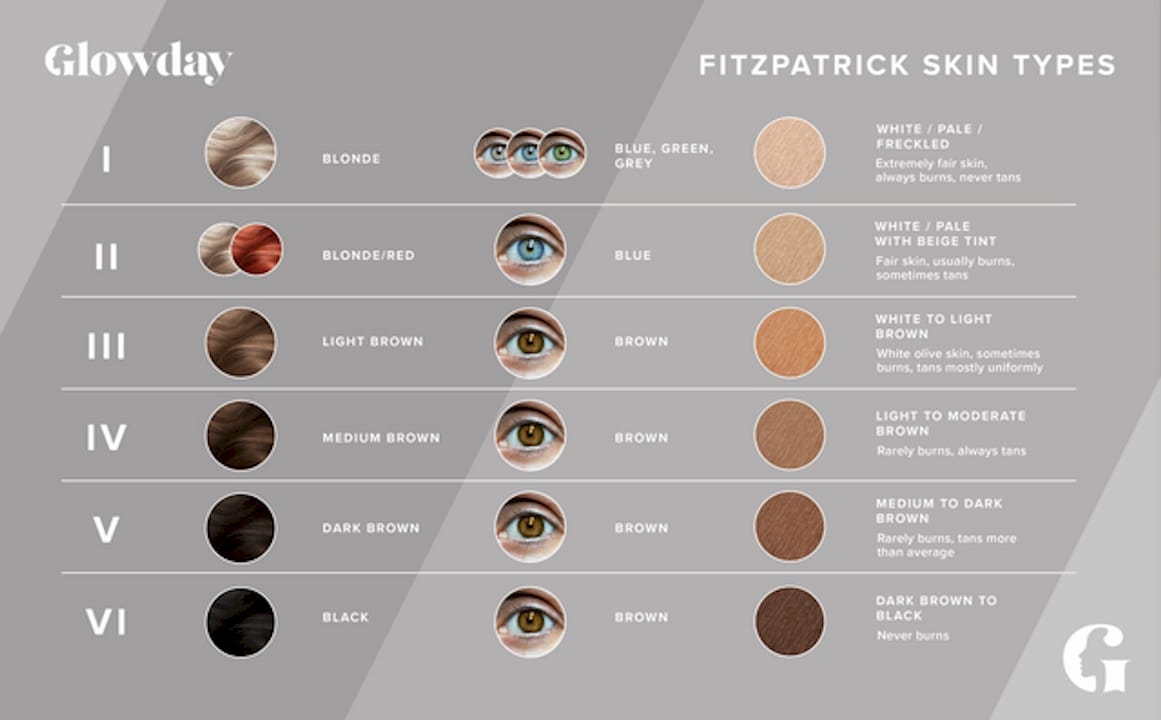
How to identify your skin type before you buy anything
Your skin type is the single most important factor in choosing products that work for you rather than against you. Using the wrong cleanser or moisturizer can trigger breakouts, dryness, or irritation, even when the products are high quality.
The five common skin types are:
-
Normal: Balanced, not too oily or dry, minimal sensitivity
-
Oily: Shiny appearance, enlarged pores, prone to breakouts
-
Dry: Tight feeling after washing, flakiness, dull texture
-
Combination: Oily in the T-zone (forehead, nose, chin), dry or normal on cheeks
-
Sensitive: Reacts easily to products, redness, stinging, or itching
A simple at-home test: wash your face with a gentle cleanser, pat dry, and wait 30 minutes without applying anything. If your skin feels tight, you are likely dry. If it looks shiny all over, you are oily. Shine only in the T-zone points to combination. Comfortable and balanced means normal. Redness or irritation after washing suggests sensitivity.
Skin type directly shapes your product choices. Gel cleansers suit oily and acne-prone skin, while cream or lotion cleansers work better for dry and sensitive skin. For moisturizers, lightweight gels are ideal for oily skin, while dry skin benefits from richer creams containing ceramides. Getting this right from the start saves you money and prevents unnecessary skin reactions.
Pro Tip: Take the QueenCompares skin type quiz before purchasing your first products. It matches your skin profile to beginner-friendly formulas in minutes.
What are the three core steps of a beginner skincare routine?
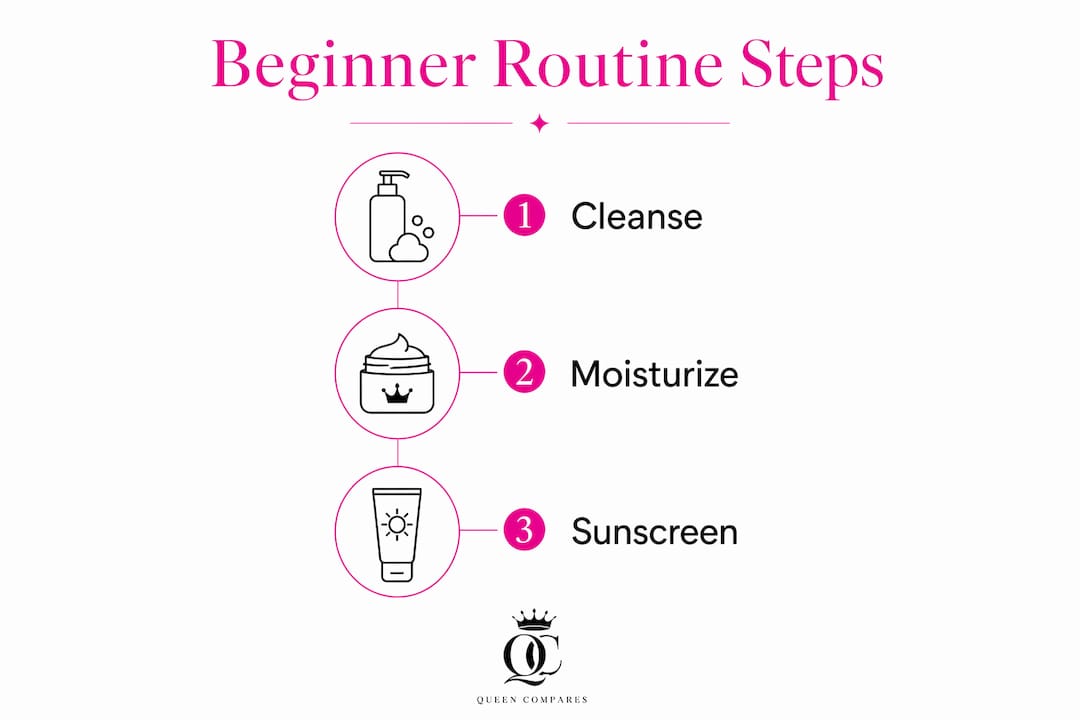
The core beginner routine follows a simple structure: cleanse and moisturize in the morning and at night, and add sunscreen every morning. Each step has a specific purpose, and skipping any one of them weakens the whole routine.
-
Cleansing. Wash your face twice daily, once in the morning and once at night. A gentle, pH-balanced cleanser removes dirt, oil, and pollutants without stripping your skin barrier. Avoid hot water and harsh scrubs, both of which damage the protective layer your skin works hard to maintain. At night, if you wear makeup or sunscreen, remove it first with a micellar water or cleansing balm before your regular cleanser.
-
Moisturizing. Apply moisturizer within about 3 minutes after cleansing to lock in hydration and reduce irritation. This timing matters because damp skin absorbs moisturizer more effectively. Oily skin still needs moisture. Skipping it causes your skin to overproduce oil as compensation. Moisturizing is non-negotiable even for oily skin because it maintains the skin barrier and keeps hydration balanced.
-
Sunscreen. This is the step most beginners skip, and it is the most damaging omission. SPF 30 blocks about 97% of UV-B rays, making it the recommended minimum for daily protection. Apply it every morning as the last step in your routine, and reapply every two hours when you are outdoors. Kaiser Permanente dermatologist Sarah Adams clarifies that SPF measures UV absorption capacity, not how long the sunscreen lasts. That distinction is why reapplication is not optional.
When it comes to sunscreen type, physical sunscreens using zinc oxide or titanium dioxide reflect UV rays off the skin, while chemical sunscreens absorb rays inside skin cells. Both are effective. Choose based on your skin tolerance and texture preference.
Pro Tip: If you find sunscreen greasy or heavy, try a lightweight mineral formula designed for the face. Many drugstore options from brands like EltaMD or La Roche-Posay are non-comedogenic and work well under makeup.
How to layer and order skincare products for best results
Product order is not arbitrary. Layering from lightest to heaviest consistency allows each product to absorb properly without being blocked by a thicker formula applied before it. Applying a heavy cream before a water-based serum, for example, creates a barrier that prevents the serum from reaching your skin at all.
Here is a comparison of the standard morning and evening layering order:
| Step | Morning routine | Evening routine |
|---|---|---|
| 1 | Gentle cleanser | Makeup remover or cleansing balm |
| 2 | Toner (optional) | Gentle cleanser |
| 3 | Antioxidant serum (optional) | Toner (optional) |
| 4 | Moisturizer | Treatment serum or retinoid (optional) |
| 5 | Broad-spectrum SPF 30+ | Moisturizer or night cream |
Toners and serums are optional additions for beginners. If you are just starting out, skip them entirely for the first few weeks and focus on stabilizing your skin barrier with cleanser and moisturizer first. This approach, recommended by Geisinger Health, gives your skin time to adjust before you introduce active ingredients.
Active ingredients like retinoids deserve special attention. Introduce retinoids slowly to avoid dryness and irritation, and always pair them with daily sunscreen because they increase photosensitivity. Start with two nights per week, then build frequency over several weeks as your skin adjusts. Rushing this process is one of the most common reasons beginners abandon their routines.
How long does it take to see results from a skincare routine?
Most skincare products require 6 to 12 weeks of consistent use before visible results appear. That timeline surprises most beginners who expect changes within days. Evaluating a product before the six-week mark almost always leads to disappointment and premature abandonment.
Here is what to expect during the adjustment period:
-
Weeks 1 to 2: Your skin may feel different as it adapts. Some dryness or minor breakouts can occur, especially if you have introduced a new cleanser.
-
Weeks 3 to 4: Skin texture often begins to stabilize. Hydration levels improve noticeably with consistent moisturizing.
-
Weeks 6 to 12: Visible improvements in tone, texture, and clarity become apparent. Active ingredients like vitamin C or niacinamide show their effects in this window.
If you experience persistent redness, peeling, or burning beyond the first two weeks, that is a signal to reassess the product rather than push through. Active ingredients often cause initial irritation, and the right response is to use emollients and sunscreen to support your skin rather than quitting the routine entirely. Adjust one product at a time so you can identify the source of any reaction clearly.
You can also track your skincare progress by taking weekly photos in the same lighting. This makes subtle changes visible and keeps you motivated through the slower weeks.
What are the most common beginner skincare mistakes?
Most skincare problems beginners face come from a handful of predictable errors. Recognizing them early saves your skin and your budget.
-
Overwashing your face. Cleansing more than twice a day strips the skin barrier, triggering excess oil production or dryness. Stick to morning and evening, and use lukewarm water rather than hot.
-
Skipping sunscreen. No other product delivers the same long-term skin health benefit as daily SPF. Sunscreen prevents premature aging, hyperpigmentation, and skin cancer risk. Applying too little is nearly as problematic as skipping it entirely. Use about a quarter teaspoon for your face.
-
Introducing too many products at once. Introduce only one new active ingredient at a time and increase frequency gradually. This is the only reliable way to identify what is working and what is causing a reaction.
-
Skipping moisturizer on oily skin. This is one of the most persistent myths in skincare for newbies. Oily skin still loses water, and skipping moisturizer worsens oil production. A lightweight, oil-free gel moisturizer solves both concerns.
Pro Tip: When starting a new product, try it on a small patch of skin on your jaw or inner arm for two to three days before applying it to your full face. This simple patch test catches reactions before they spread.
If you want to go deeper on natural formulas, the natural skincare ingredients guide from Selfwise Brand breaks down which plant-based actives are worth your attention and which are mostly marketing.
Key takeaways
A beginner skincare routine built on cleansing, moisturizing, and daily SPF 30+ sunscreen delivers the strongest foundation for long-term skin health.
| Point | Details |
|---|---|
| Start with three steps | Cleanser, moisturizer, and SPF 30+ sunscreen cover every beginner’s core needs. |
| Know your skin type first | Skin type determines which cleanser and moisturizer formulas will work without causing irritation. |
| Layer thinnest to thickest | Apply products from lightest to heaviest consistency to maximize absorption. |
| Wait 6 to 12 weeks for results | Consistent use over at least six weeks is required before judging any product’s effectiveness. |
| Introduce actives one at a time | Adding one new ingredient at a time prevents reactions and helps you identify what works. |
Why I think most beginners overcomplicate this from day one
By Magdalena Kapuscinska
After years of following the beauty space closely, the pattern I see most often is this: beginners research for weeks, buy six products at once, overwhelm their skin within a month, and then conclude that skincare “doesn’t work for them.” The real problem was never the products. It was the approach.
The most effective easy skincare regimen I have ever seen is also the simplest. Gentle cleanser. Moisturizer. Sunscreen. That is it for the first month. No serums, no exfoliants, no retinoids. Just those three steps, done consistently, twice a day. The skin barrier stabilizes, hydration improves, and you actually learn how your skin behaves before you start layering in actives.
What I find genuinely underrated is the moisturizer step for oily skin types. So many people with oily skin skip it because they assume more moisture means more shine. The opposite is true. Dehydrated oily skin overproduces sebum to compensate, which makes everything worse. A lightweight gel moisturizer fixes this within two weeks.
My honest advice: resist the pull of trending ingredients and focus on what dermatologists have recommended for decades. Sunscreen is the single most evidence-backed anti-aging product available. If you use nothing else, use that. Build from there, slowly, and your skin will thank you for the patience.
— Magdalena Kapuscinska
Find the right beginner skincare products at QueenCompares
Starting a simple skincare routine is much easier when you know exactly which products suit your skin type and goals.

QueenCompares brings together curated beginner skincare products across cleansers, moisturizers, and sunscreens, with side-by-side comparisons and ingredient safety ratings so you never have to guess. Use the Ingredient Library to decode product labels before you buy, and take the skin type quiz to get personalized recommendations in minutes. Our Queen community is here to help you build a routine that actually fits your skin, not just a trending formula. Join us and make every product choice a confident one.
FAQ
What is the best skincare routine for a complete beginner?
The best beginner routine is cleanser, moisturizer, and broad-spectrum SPF 30+ sunscreen in the morning, and cleanser plus moisturizer at night. This three-step structure covers every core skin health need without overwhelming your skin.
How do I know which products to choose for my skin type?
Match your cleanser and moisturizer to your skin type: gel formulas for oily skin, cream or lotion formulas for dry and sensitive skin. Taking a skin type quiz before buying removes the guesswork entirely.
How often should I apply sunscreen?
Apply sunscreen every morning as the last step in your routine, and reapply every two hours when you are outdoors. SPF 30 is the recommended minimum, blocking approximately 97% of UV-B rays.
Can I skip moisturizer if I have oily skin?
No. Moisturizing is necessary for every skin type, including oily skin. Skipping it causes your skin to produce more oil as compensation. Choose a lightweight, oil-free gel moisturizer to hydrate without adding shine.
How long before I see results from my new routine?
Most products take 6 to 12 weeks of consistent daily use before visible improvements appear. Stick with your routine and avoid switching products before that window closes.