
TL;DR:
- Skincare efficacy relies on internal lifestyle factors like sleep, diet, and stress, which influence skin’s ability to absorb and respond to treatments. Poor habits such as sleep deprivation, high-glycemic diets, and chronic stress weaken the skin barrier and microcirculation, reducing product effectiveness. Adapting habits alongside topical routines enhances overall skin health and maximizes skincare results.
Skincare efficacy is defined as the measurable ability of topical products to deliver their intended biological results in your skin. Your daily habits determine whether that ability is realized or wasted. Sleep deprivation, a high-glycemic diet, chronic stress, UV exposure, and a sedentary lifestyle all compromise the skin’s barrier function and microcirculation, the two mechanisms that control how well any product absorbs and performs. Brands like NING Dermologie and evidence-based routines such as the TEMBUSU 8-Step Routine are built on this principle: lifestyle and skincare are partners, not alternatives. Understanding why lifestyle affects skincare efficacy means understanding your skin as a living organ that reflects your internal biology.
Why lifestyle affects skincare efficacy at the biological level
Skin is not a passive surface. It is a dynamic organ that responds to hormonal signals, nutrient availability, oxidative load, and microbial balance. When those internal conditions are disrupted, the skin’s barrier weakens, its repair cycles slow, and topical products face a compromised delivery system. Think of it this way: applying a high-quality serum to inflamed, barrier-impaired skin is like pouring water into a bucket full of holes. Stress-induced inflammation and gut dysbiosis literally create those holes by disrupting tight junctions in the epidermis.
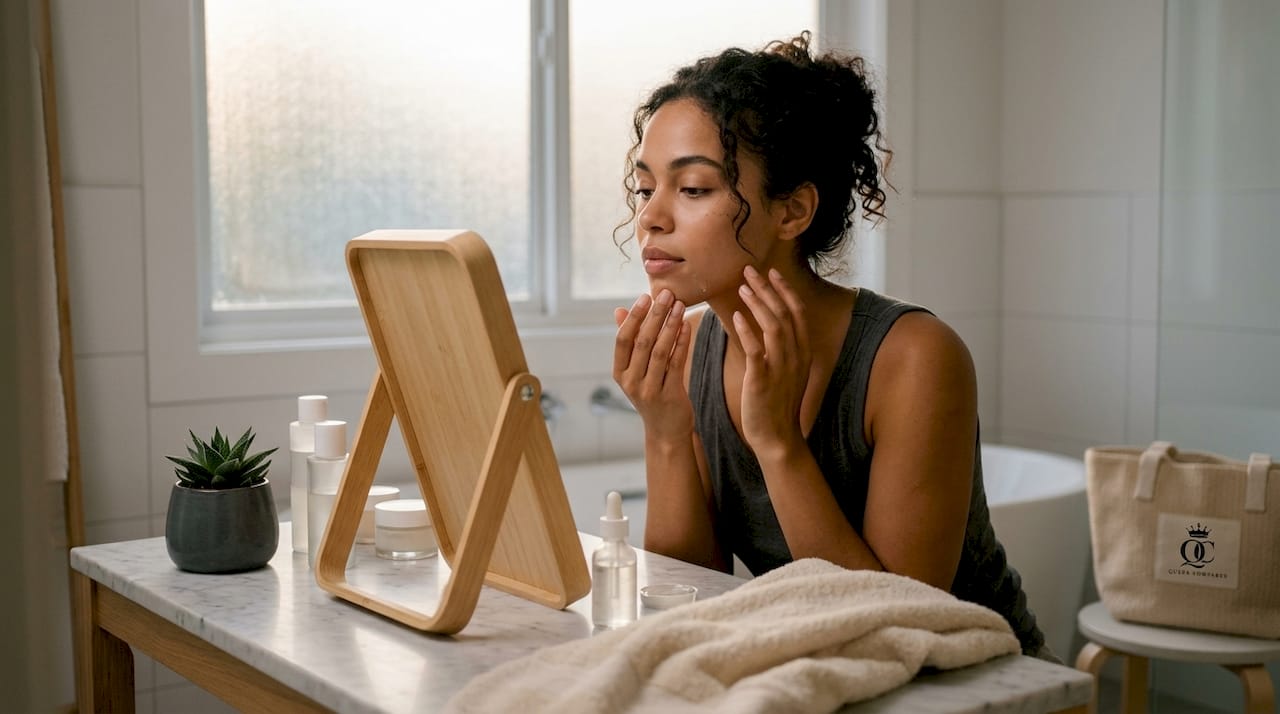
The technical term for this inside-out dynamic is the skin-exposome interaction. The exposome refers to the total accumulation of environmental and lifestyle exposures across a lifetime. Skin aging reflects genetics plus this cumulative exposome, meaning no single treatment erases years of lifestyle-driven damage without corresponding habit changes. This is the core reason why two people using identical products can see dramatically different results.
How does sleep quality affect skincare product absorption?
Sleep is the skin’s primary repair window. During deep sleep stages, the body releases growth hormone, which drives collagen synthesis, cell turnover, and barrier restoration. Chronic sleep deprivation impairs barrier function, reduces hydration, and slows wound healing. Seven to nine hours is not a wellness luxury. It is the clinical requirement for overnight skin repair.
The hormonal consequence of poor sleep compounds the damage. Elevated cortisol from disrupted sleep actively degrades collagen and elastin fibers, accelerating the visible signs of aging. No retinol serum or peptide complex can fully compensate for a cortisol-driven breakdown happening at the cellular level every night. Dullness, increased sensitivity, and slower recovery from breakouts are all direct symptoms of sleep debt showing up on your face.
Here is what effective sleep-based skincare support looks like in practice:
-
Sleep 7 to 9 hours consistently. Irregular schedules disrupt circadian skin repair even when total hours are adequate.
-
Apply occlusive or barrier-repair products (look for ceramides, squalane, or petrolatum) before bed to support overnight restoration.
-
Keep your bedroom cool and humidified. Dry air accelerates transepidermal water loss while you sleep.
-
Avoid alcohol before bed. It fragments sleep architecture and spikes cortisol, undermining both rest and skin repair.
Pro Tip: Apply your most active ingredients, such as retinoids or AHAs, at night. Skin cell turnover peaks between 11 p.m. and 4 a.m., making this window the most receptive for treatment products.
What role does diet play in how your skin responds to products?
Diet shapes the biochemical environment your skin operates in, and that environment determines how well topical treatments perform. High-glycemic diets trigger IGF-1 signaling, promote sebaceous lipogenesis, and drive acne inflammation. This means that a low-glycemic dietary shift can reduce breakouts more effectively than adding another spot treatment to your routine.
The gut-skin axis is equally significant. Microbiome imbalances caused by processed foods, excess sugar, or antibiotic overuse generate systemic inflammation that weakens the skin barrier. When the barrier is compromised, even well-formulated products with ingredients like niacinamide or hyaluronic acid struggle to penetrate and function correctly. Learning to read ingredient labels becomes far more useful when you also understand the internal conditions affecting absorption.
Key nutrients that directly support skincare efficacy include:
-
Omega-3 fatty acids (found in salmon, walnuts, flaxseed): strengthen cell membranes and improve skin permeability, helping active ingredients absorb more effectively.
-
Vitamin C (found in bell peppers, citrus, kiwi): a cofactor in collagen synthesis and a topical antioxidant that works better when dietary levels are also adequate.
-
Zinc (found in pumpkin seeds, legumes, oysters): regulates sebum production and supports wound healing, reducing the inflammatory load that topical treatments must overcome.
-
Polyphenols (found in green tea, berries, dark chocolate): reduce oxidative stress that degrades collagen and impairs barrier function.
| Dietary pattern | Effect on skin | Impact on product efficacy |
|---|---|---|
| High-glycemic (white bread, soda, candy) | Increases inflammation, sebum, glycation | Reduces absorption, worsens acne |
| Low-glycemic, whole foods | Stabilizes insulin, reduces inflammation | Supports barrier integrity and absorption |
| Omega-3 rich (fatty fish, seeds) | Strengthens cell membranes | Improves permeability for topical actives |
| High alcohol intake | Disrupts nutrient absorption, dehydrates | Impairs repair, reduces product benefit |
Pro Tip: Cutting refined sugar for 30 days is one of the fastest dietary interventions for visible skin improvement. Glycation, the process where sugar molecules bind to and stiffen collagen, is cumulative and accelerated by diet far more than by age alone.
How does chronic stress undermine your skincare routine?
Chronic stress is one of the most underestimated factors in skincare failure. Cortisol elevation from ongoing psychological stress degrades collagen and weakens the skin barrier, increasing inflammation and accelerating aging regardless of what topical treatments you apply. This is not a soft wellness claim. It is a documented biological mechanism.
Stress-related skin conditions include acne flares, rosacea triggers, eczema exacerbations, and psoriasis outbreaks. All of these involve barrier disruption and inflammatory signaling that make skin simultaneously more reactive and less receptive to treatment. Applying a calming serum during a stress flare is addressing the symptom while the cause continues unchecked.
Practical stress management tools that directly support skin health:
-
Diaphragmatic breathing (4-7-8 technique): activates the parasympathetic nervous system within minutes, lowering cortisol acutely.
-
Mindfulness-based stress reduction (MBSR): clinical programs like those developed at the University of Massachusetts have shown measurable reductions in cortisol and inflammatory markers.
-
Consistent sleep schedules: as noted above, sleep and stress are bidirectional. Managing one improves the other.
-
Physical exercise: reduces baseline cortisol and increases endorphins, creating a hormonal environment more favorable to skin repair.
Does sun protection really change how well your skincare works?
UV radiation is responsible for up to 90% of visible skin aging, including wrinkles, hyperpigmentation, and loss of elasticity. Daily broad-spectrum SPF 30 or higher is not optional for anyone serious about skincare results. Without it, antioxidant serums, retinoids, and peptides are fighting a battle they cannot win.
The application reality matters as much as the product choice. Underapplying sunscreen drastically reduces protection. Applying only 25 to 50% of the recommended amount can drop effective protection from SPF 50 to approximately SPF 7 to 15. That gap explains why many people who “use SPF” still accumulate significant photoaging over time.
Here is a practical sun protection protocol that actually preserves your skincare investment:
-
Apply a quarter teaspoon of sunscreen to the face and neck as the final morning skincare step.
-
Reapply every two hours during outdoor exposure, not just at the start of the day.
-
Use SPF even on overcast days. Up to 80% of UV rays penetrate cloud cover.
-
Layer antioxidant serums (vitamin C, niacinamide, resveratrol) under SPF. Antioxidants neutralize free radicals that SPF alone does not block.
-
Wear UPF-rated clothing and seek shade between 10 a.m. and 4 p.m. for extended outdoor time.
| Protection method | What it addresses | Limitation without lifestyle support |
|---|---|---|
| SPF 30+ sunscreen | Blocks UVA/UVB photoaging | Ineffective if underapplied or skipped |
| Antioxidant serum | Neutralizes free radicals | Cannot compensate for poor diet or sleep |
| Pollution barrier products | Reduces oxidative damage from particulates | Requires consistent application |
| Shade and UPF clothing | Reduces total UV dose | Must be combined with topical SPF |
How does exercise improve the results of your skincare routine?
Exercise is a direct skincare tool, not just a general health habit. Regular moderate exercise boosts skin microcirculation, delivering oxygen and nutrients to skin cells while supporting lymphatic drainage and collagen synthesis. Better circulation means active ingredients in your products reach their target cells more efficiently.
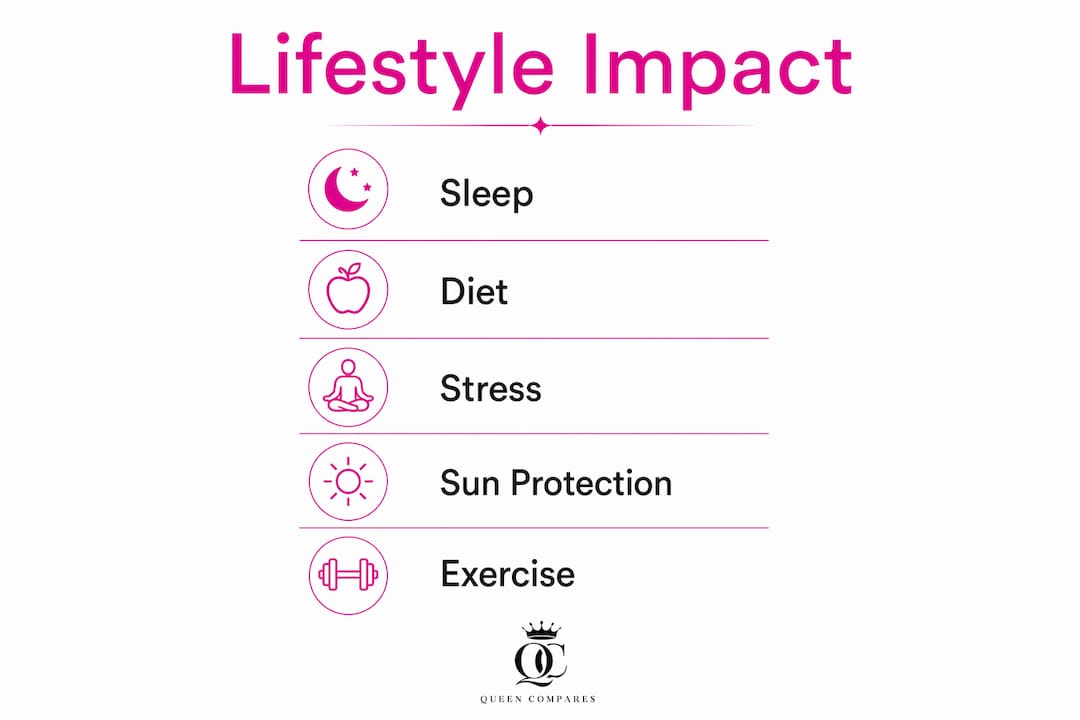
A sedentary lifestyle reduces skin perfusion, which slows the delivery of nutrients that topical products depend on to function. Gua sha and facial massage tools work on a similar principle: manual stimulation of lymphatic flow reduces puffiness and supports product penetration. The NING Dermologie approach specifically incorporates massage techniques alongside topical application for this reason. Tracking how your skin responds to both lifestyle changes and new products is easier with a structured system. QueenCompares’ guide on monitoring skincare progress helps you connect the dots between what you are doing and what you are seeing.
Practical ways to integrate movement into your skincare routine:
-
Aim for 150 minutes of moderate cardio weekly (brisk walking, cycling, swimming) to maintain baseline skin perfusion.
-
Add a 2 to 3 minute facial massage during your evening cleansing routine using upward strokes to support lymph flow.
-
Shower and cleanse immediately after sweating to prevent sweat-induced breakouts, particularly if you use occlusive products.
-
Use post-workout hydration as a skincare moment: apply hyaluronic acid or a lightweight moisturizer to damp skin after exercise for maximum absorption.
Key takeaways
Skincare efficacy depends on the biological conditions your lifestyle creates, and no topical product performs at its full potential without the internal foundation of sleep, nutrition, stress control, sun protection, and movement.
| Point | Details |
|---|---|
| Sleep is non-negotiable | Seven to nine hours enables collagen synthesis and barrier repair that no serum can replicate. |
| Diet shapes absorption | Low-glycemic, omega-3-rich eating reduces inflammation and improves how well active ingredients penetrate. |
| Stress degrades collagen | Chronic cortisol elevation breaks down skin structure, limiting topical treatment results. |
| SPF application technique matters | Underapplying sunscreen can reduce effective SPF 50 protection to as low as SPF 7. |
| Exercise boosts product delivery | Regular movement improves microcirculation, helping nutrients and topical actives reach skin cells. |
The inside-out truth most skincare content skips
By Magdalena Kapuscinska
After years of analyzing skincare formulations and watching people cycle through product after product without results, I have come to one firm conclusion: the skincare industry sells products, but it rarely sells the context those products need to work. That context is your lifestyle.
The most common pattern I see is someone investing in a genuinely good retinoid or vitamin C serum, using it inconsistently for six weeks, sleeping five hours a night, eating a high-sugar diet, and then concluding the product “didn’t work.” The product never had a fair chance. After age 35, systemic biology limits skin efficacy more than topicals do. Mitochondrial function, microbiome health, and epigenetic changes become the real levers. Topicals support those levers. They do not replace them.
What I find genuinely encouraging is that lifestyle changes compound faster than most people expect. Two weeks of consistent 8-hour sleep, cutting refined sugar, and daily SPF application produces visible changes in hydration and tone that a new product launch rarely matches. The holistic skin approach is not a soft alternative to clinical skincare. It is the prerequisite for clinical skincare to work.
My honest advice: before you add another product to your routine, audit your habits for one week. Track your sleep, your sugar intake, your stress levels, and your SPF consistency. You will likely find the gap between your current results and your skin goals sitting right there.
— Magdalena Kapuscinska -QueenCompares.com Founder
Find products that match your lifestyle and skin goals
Your lifestyle shapes your skin, and your products should match both. QueenCompares is built for exactly this kind of informed decision-making. Whether you are dealing with a compromised barrier from stress, hyperpigmentation from sun exposure, or breakouts linked to diet, the right product choice starts with understanding your skin’s current state.

Use the QueenCompares Skin Type Quiz to get personalized product recommendations based on your unique skin profile and lifestyle factors. Then explore the full skincare product catalog to compare formulas, check ingredient safety ratings, and read community reviews from people with similar skin concerns. When your product choices align with your habits, that is when real results happen. Join our Queen community and make every product decision count.
FAQ
Why do two people using the same product get different results?
Skin biology varies based on lifestyle factors including sleep quality, diet, stress levels, and UV exposure. These factors alter barrier function and microcirculation, changing how effectively any product absorbs and performs.
How does sleep deprivation affect skincare products?
Chronic sleep deprivation impairs the skin barrier, reduces hydration, and slows cell repair. This means topical products applied to sleep-deprived skin face a compromised delivery system and produce weaker results.
Does diet really change how well skincare works?
Yes. High-glycemic diets increase inflammation and sebum production, while omega-3-rich diets strengthen cell membranes and improve permeability. The gut-skin axis means microbiome health directly affects how well the skin barrier functions and absorbs products.
How much sunscreen do you actually need for full SPF protection?
Most people apply far less than the recommended amount. Applying only 25 to 50% of the recommended quantity can reduce effective protection from SPF 50 to approximately SPF 7 to 15. A quarter teaspoon for the face and neck is the standard clinical recommendation.
Can exercise improve skincare results?
Regular moderate exercise boosts skin microcirculation and lymphatic drainage, improving the delivery of oxygen, nutrients, and topical active ingredients to skin cells. It also reduces baseline cortisol, lowering the inflammatory load that undermines barrier function.