TL;DR:
- Antioxidants in skincare neutralize free radicals and protect skin from oxidative stress that causes aging and pigmentation. They support collagen preservation, reduce inflammation, and enhance barrier function, providing long-term skin health benefits. Combining vitamin C, vitamin E, ferulic acid, and niacinamide in a routine maximizes protection, with proper timing and packaging being essential.
Antioxidants in skincare are defined as molecules that neutralize free radicals and reactive oxygen species before they trigger the oxidative stress cascade responsible for premature aging, pigmentation, and collagen breakdown. The role of antioxidants in skincare goes far beyond brightening. They are your skin’s primary defense system against UV radiation, pollution, infrared light, and blue light exposure. Vitamin C - Ascorbic Acid, niacinamide,vitamin E (Tocopherol), and ferulic acid are the most studied and widely used, and understanding how they work together is what separates a routine that maintains skin from one that actively protects it.
How antioxidants improve skin health and combat aging
Antioxidants are primarily defensive molecules that halt the oxidative stress cascade before it destroys collagen and accelerates visible aging. That framing matters because most people reach for vitamin C expecting a glow, not realizing they are actually preventing the enzymatic breakdown of collagen fibers that causes wrinkles and sagging over time. The benefits of antioxidants in skincare are structural and long-term, not just cosmetic.
Here is what antioxidants actively do for your skin at the cellular level:
-
Neutralize free radicals generated by UV exposure, pollution, and blue light before they damage DNA and lipid membranes
-
Preserve collagen by blocking the reactive oxygen species that activate collagen-destroying enzymes called matrix metalloproteinases
-
Reduce chronic inflammation that contributes to redness, sensitivity, and accelerated skin aging
-
Inhibit melanin overproduction, which directly reduces hyperpigmentation and uneven skin tone
-
Support the skin barrier by reducing oxidative damage to the lipid layer that keeps moisture in
Vitamin C at 10 to 30% concentrations effectively targets hyperpigmentation while simultaneously protecting against UV-induced oxidative stress. That dual action makes it one of the most efficient single ingredients in any routine. Niacinamide at 2 to 5% supports the skin barrier and reduces inflammation, making it an ideal companion for more potent actives that can cause irritation.
Pro Tip: If your skin is reactive or new to actives, start with niacinamide before introducing vitamin C. It builds tolerance and reduces the likelihood of redness when you eventually layer both.
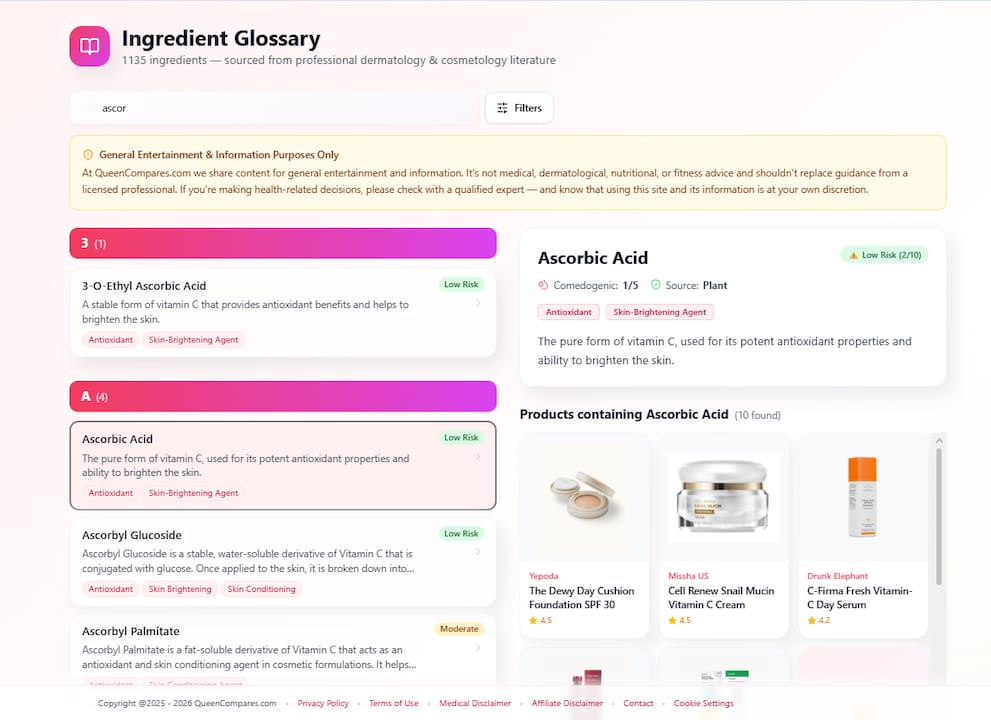
You can also visit our Ingredient Library and check for these ingredients along with comprehensive information and beauty products from our database.
Vitamin C vs. vitamin E vs. niacinamide: which antioxidant wins?
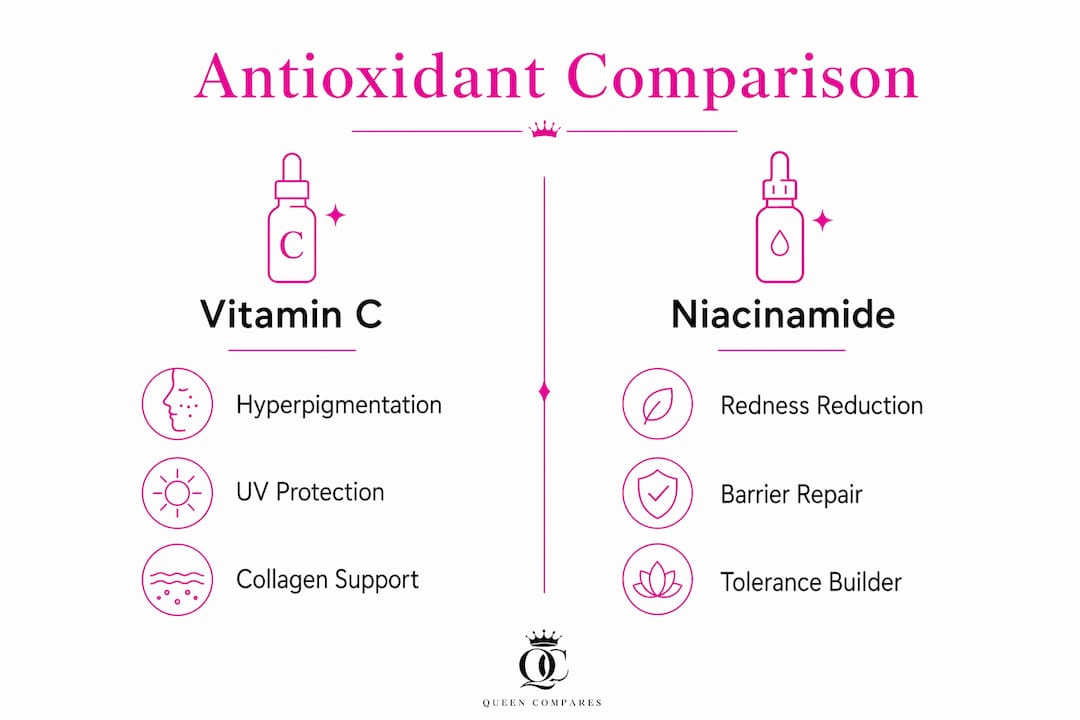
No single antioxidant does everything, and the best antioxidants for skin are almost always used in combination. The table below breaks down the key players by function, stability, and ideal use case.
| Antioxidant | Primary benefit | Typical concentration | Stability | Best paired with |
|---|---|---|---|---|
| Vitamin C (L-ascorbic acid) | Brightening, collagen support, UV defense | 10 to 20% | Low (degrades in light and air) | Vitamin E, ferulic acid, SPF |
| Vitamin E (tocopherol) | Moisturizing, membrane protection | 0.5 to 1% | Moderate | Vitamin C, ferulic acid |
| Niacinamide | Barrier support, anti-inflammatory | 2 to 5% | High | Vitamin C, retinol, peptides |
| Ferulic acid | Potency booster, UV protection | 0.5 to 1% | Moderate | Vitamin C, vitamin E |
| Microalgae peptides | Hydration, pigmentation control | Varies | Emerging data | Niacinamide, SPF |
The classic combination of vitamin C, vitamin E, and ferulic acid is backed by decades of research. Ferulic acid stabilizes both vitamins and doubles their photoprotective effect, which is why you see this trio in high-performance serums from brands like SkinCeuticals. Niacinamide rounds out the formula by calming any irritation that high-concentration vitamin C might cause.
One persistent myth worth addressing: layering niacinamide and vitamin C together does not cause adverse reactions for most people. Outdated chemistry concerns about the combination producing niacin flush have been largely debunked. Sensitive skin types should still introduce them separately to assess personal tolerance, but the fear of using both is not grounded in current evidence.
Pro Tip: Store your vitamin C serum in a cool, dark place. L-ascorbic acid degrades when exposed to light or air, so opaque, airless packaging is not a marketing gimmick. It is a formulation requirement.
Knowing how to read skincare ingredient labels helps you verify that the antioxidant you are paying for is actually present at an effective concentration, not just listed for marketing purposes.
How to build a skincare routine with antioxidants
Incorporating skincare with antioxidants effectively comes down to timing, order, and consistency. Follow these steps to get the most from your routine without overwhelming your skin.
-
Apply vitamin C serum every morning. Morning application alongside SPF 30+ maximizes protection against daily UV and pollution exposure. Antioxidants and sunscreen work synergistically because SPF blocks UV rays while antioxidants neutralize the free radicals that still penetrate.
Vitamin C serums in our database with full ingredients reviews: -
Layer thinnest to thickest. Apply your vitamin C serum on clean skin before moisturizer. This allows direct absorption before heavier products create a barrier.
-
Use niacinamide in your moisturizer or as a separate serum. It works well morning or evening and pairs with almost every other active without conflict. Niacinamide beauty products in our database with full ingredients review:
Niacinamide 10% + Zinc 1% - The OrdinaryWatermelon Glow Niacinamide Dew Drops - Glow Recipe
Glow Serum: Propolis + Niacinamide - Beauty of Joseon
Dynasty Cream - Beauty of Joseon
Time Revolution The First Essence 5X Missha US
-
Reserve retinol for nighttime. The AM/PM split using antioxidants in the morning and retinoids at night is the most effective way to maximize both ingredients while minimizing irritation. Retinol increases cell turnover and is photosensitive, so night use is non-negotiable. Check beauty products with retinol with ingredients reviews:
Retinol 1% in Squalane The Ordinary
Shiseido Benefiance WrinkleResist24 Pure Retinol Express Smoothing Eye Masks
Paula’s Choice CLINICAL 1% Retinol + 0.5% Hyaluronic Acid Treatment
-
Introduce new antioxidants one at a time. Start with every other day for the first two weeks, then move to daily use once your skin adjusts. This is especially relevant for high-concentration vitamin C formulas.
-
Check your pH balance. Vitamin C (L-ascorbic acid) works best at a pH below 3.5. If you are using a toner or other acidic product, apply vitamin C first to avoid disrupting its absorption. Understanding skincare pH balance prevents you from accidentally deactivating the actives you are investing in.
-
Choose packaging deliberately. Opaque, airless bottles or pump dispensers protect vitamin C from oxidation. Avoid products in clear glass jars where the formula is repeatedly exposed to air and light.
If you are completely new to actives, a beginner skincare routine built around niacinamide is a lower-risk starting point before adding vitamin C or ferulic acid formulas.
What are the emerging natural antioxidants in skincare?
The skincare industry is shifting toward natural antioxidant bioactives that deliver multiple skin benefits from a single ingredient, aligned with clean beauty demand and sustainability goals. These are not fringe ingredients. They are entering mainstream formulations backed by growing clinical data.
The most promising natural antioxidants gaining traction in 2026 include:
-
Microalgae extracts (including spirulina and astaxanthin): provide antioxidant protection, hydration, and anti-inflammatory benefits simultaneously. Astaxanthin is estimated to be significantly more potent than vitamin E in free radical scavenging, though topical concentration and delivery remain active research areas.
-
Tree peony peptides: inhibit melanin synthesis and reduce oxidative inflammation, making them relevant for both anti-aging and pigmentation-focused formulations.
-
Bee-derived bioactives (including propolis and royal jelly): contain flavonoids and phenolic compounds with antioxidant and antimicrobial properties, gaining traction in clean beauty lines.
-
Bakuchiol: a plant-derived compound that functions similarly to retinol with antioxidant properties, offering a gentler alternative for sensitive skin types.
| Natural antioxidant | Key skin benefit | Formulation status |
|---|---|---|
| Astaxanthin (microalgae) | Free radical scavenging, hydration | Established in serums and creams |
| Tree peony peptides | Pigmentation control, inflammation | Emerging, limited clinical trials |
| Propolis (bee-derived) | Antimicrobial, antioxidant | Established in targeted treatments |
| Bakuchiol | Retinol-like renewal, antioxidant | Widely adopted in clean beauty |
The challenge with many of these ingredients is clinical validation at scale. Vitamin C and niacinamide have decades of peer-reviewed research behind them. Microalgae peptides and tree peony extracts are promising but still accumulating the long-term data that dermatologists require before making formal recommendations. That said, multifunctional natural bioactives are a legitimate direction for the industry, and early adopters are already seeing results. You can explore detailed ingredient profiles for these newer actives through the QueenCompares Ingredient Library before committing to a product.
One often overlooked point: dietary antioxidants complement topical use by supporting systemic collagen production and skin integrity. Topical application addresses surface-level oxidative stress, but nutrition provides the raw materials your skin needs to repair and regenerate from within.
Key takeaways
Antioxidants are the most evidence-backed category of skincare actives, and combining vitamin C, vitamin E, ferulic acid, and niacinamide in a structured AM/PM routine delivers measurable protection against aging, pigmentation, and inflammation.
| Point | Details |
|---|---|
| Antioxidants as defenders | They prevent collagen breakdown and oxidative damage, not just brighten skin. |
| Best combination | Vitamin C, vitamin E, and ferulic acid together provide synergistic UV and free radical protection. |
| Timing matters | Use antioxidants in the morning and retinoids at night to maximize both without irritation. |
| Packaging affects potency | Vitamin C requires opaque, airless packaging to stay effective after opening. |
| Natural antioxidants are rising | Microalgae, bakuchiol, and propolis offer multifunctional benefits with growing clinical support. |
Why antioxidants are the most underrated step in your routine
By Magdalena Kapuscinska
Most people treat antioxidants as optional extras, something to add once the “real” actives like retinol and acids are in place. That framing is backwards. Antioxidants are the foundation that makes every other step more effective. Without them, you are applying retinol to skin that is already under oxidative stress, which limits how well it can repair and renew.
What I find most misunderstood is the fear around combining ingredients. The niacinamide-plus-vitamin-C concern is the most common one I hear, and it is largely outdated. The real risk is not the combination itself but using too many potent actives at once before your skin has built tolerance. Start with one, add another, and give your skin two weeks to adjust each time.
The other thing worth saying plainly: antioxidant-rich foods matter as much as what you apply topically. Vitamin C from your diet supports collagen synthesis in ways that no serum can fully replicate. Your skincare routine and your nutrition are not separate systems. They work together, and treating them as such is what actually moves the needle on long-term skin health.
— Magdalena Kapuscinska - QueenCompares.com Founder
Find your best antioxidant products with QueenCompares
Ready to put this knowledge to work? QueenCompares makes it easy to find antioxidant skincare products that actually match your skin’s needs.

Use the QueenCompares product comparison tool to compare vitamin C serums, niacinamide formulas, and natural antioxidant products side by side, with full ingredient transparency. The Label Scanner lets you verify antioxidant concentrations before you buy, and the Ingredient Checker flags any compatibility concerns with your current routine. Our community of beauty enthusiasts is already using these tools to build smarter, more effective routines. Join us and take the guesswork out of skincare with antioxidants.
FAQ
What does antioxidant mean in skincare?
An antioxidant in skincare is a molecule that neutralizes free radicals and reactive oxygen species before they damage skin cells, collagen, and lipid membranes. Common examples include vitamin C, vitamin E, niacinamide, and ferulic acid.
Do antioxidants protect skin from sun damage?
Antioxidants do not replace sunscreen, but they significantly boost UV defense by neutralizing the free radicals that penetrate even after SPF is applied. Morning use of vitamin C alongside SPF 30+ is the most effective combination for daily protection.
What are the best antioxidants for anti-aging?
Vitamin C at 10 to 20% is the most studied antioxidant for anti-aging, directly supporting collagen synthesis and reducing oxidative damage. Ferulic acid amplifies its effect, and niacinamide at 2 to 5% reduces inflammation that accelerates visible aging.
Can you use niacinamide and vitamin C together?
Yes. Current evidence shows that combining niacinamide and vitamin C is safe for most skin types and does not cause adverse reactions. Sensitive skin types should introduce each ingredient separately over two weeks to confirm personal tolerance.
How do antioxidants fit into a daily skincare routine?
Apply antioxidant serums like vitamin C in the morning before moisturizer and SPF. Use retinoids at night to avoid photosensitivity conflicts. Niacinamide can be used morning or evening and pairs well with nearly every other active in your routine.