TL;DR:
- A personalized skincare routine is tailored specifically to an individual’s skin type, concerns, and lifestyle using assessment tools and professional input. It involves ongoing monitoring and adjustment to ensure long-term effectiveness, especially for persistent skin conditions. Maintaining ingredient compatibility, seasonal changes, and patience are essential for long-lasting results.
A personalized skincare routine is defined as a set of products and steps selected specifically for your skin type, concerns, lifestyle, and goals rather than applied generically to everyone. This approach, formally called an individualized skincare plan in dermatology circles, moves away from mass-market formulas and toward targeted solutions that actually match what your skin needs. Modern tools like La Roche-Posay’s MyRoutine AI and prescription services like Curology have made this level of customization accessible to anyone, not just those with a dermatologist on speed dial. Understanding what a personalized routine means in skincare is the first step toward building one that genuinely works for you.
How does a personalized skincare routine differ from generic routines?
A generic skincare routine applies the same products and steps to every user, regardless of skin type, climate, or condition. A personalized beauty regimen, by contrast, is built around your specific profile. That difference sounds simple, but the results are not.
Generic routines are designed for the average consumer. They often work reasonably well for people with normal skin and no active concerns, but they fall short for anyone dealing with acne, rosacea, hyperpigmentation, or sensitivity. A moisturizer marketed as “for all skin types” may clog pores for oily skin or feel insufficient for dry skin.
Personalized routines use data. Custom skincare uses questionnaires, consultations, and AI analysis to build a formula around your individual skin profile. Brands then adjust ingredients as your skin conditions and goals evolve. That ongoing flexibility is something a generic product simply cannot offer.
| Feature | Generic routine | Personalized routine |
|---|---|---|
| Product selection | Mass-market, one-size-fits-all | Tailored to skin type and concerns |
| Ingredient targeting | Broad, mild formulas | Active ingredients matched to specific issues |
| Adjustment over time | None | Regular monitoring and reformulation |
| Professional input | Rarely included | Dermatologist or AI-guided assessment |
| Long-term efficacy | Variable | Higher for persistent skin concerns |
The table above makes the gap clear. A tailored skincare solution accounts for variables that a generic product ignores entirely, including your environment, your age, and how your skin responds to active ingredients over time.
What are the steps involved in creating a personalized skincare routine?
Building a custom skincare regimen follows three core phases: assessment, selection, and ongoing adjustment. Skipping any phase weakens the whole system.
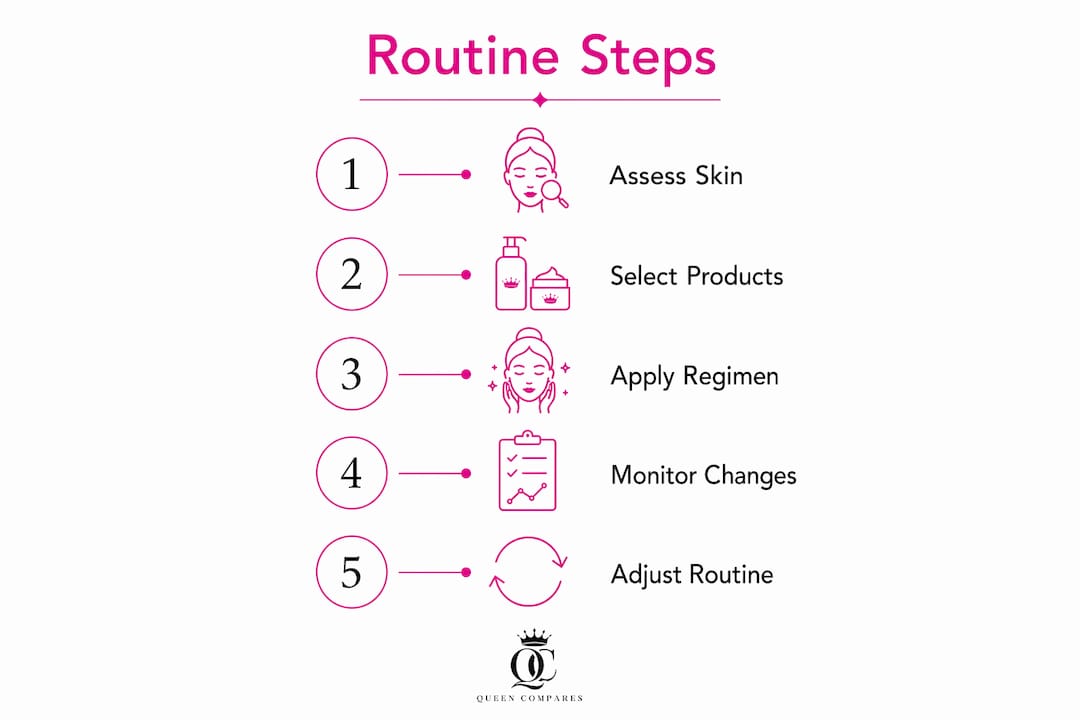
Phase 1: Assess your skin
Start by identifying your skin type. The four primary categories are oily, dry, combination, and sensitive. Beyond type, note your active concerns: acne, dark spots, fine lines, redness, or dehydration. Also factor in your environment (humidity, pollution levels) and your lifestyle (sleep quality, diet, stress). These variables directly affect how your skin behaves and what it needs.
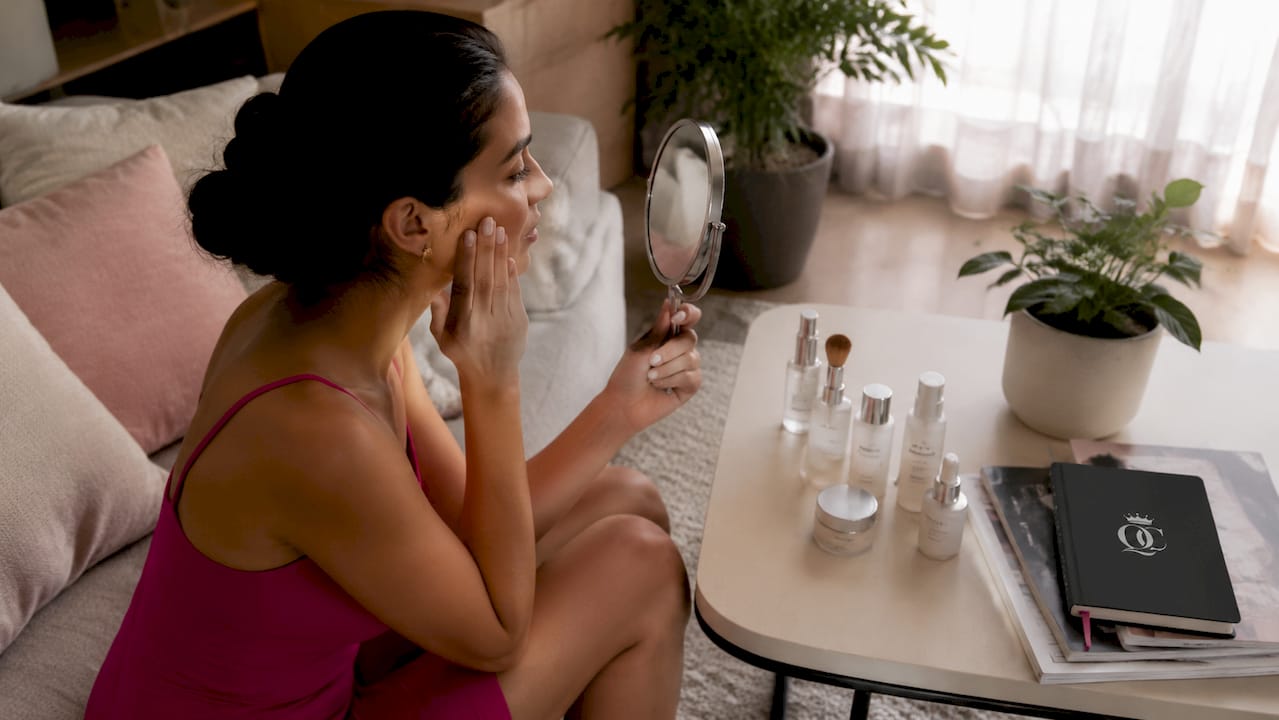
Phase 2: Use tools and professional input
AI tools have changed what’s possible here. AI-driven tools provide skin analysis at over 95% accuracy using a quick photo upload and vast skin image databases. That level of precision used to require a clinic visit. For persistent or complex concerns like cystic acne or rosacea, a licensed dermatologist or a service like Curology adds clinical depth that AI alone cannot replace.
Phase 3: Select products with intention
Once you know your skin profile, choose products that address your specific concerns. A basic steps for personalized skincare structure looks like this:
-
Morning: gentle cleanser, targeted serum, moisturizer, SPF 30 or higher
-
Evening: cleanser, prescription or active treatment formula, moisturizer
-
Weekly: exfoliant suited to your skin type (chemical for sensitive, physical for resilient)
-
Ongoing: provider check-ins to adjust concentrations or swap products as your skin changes
Phase 4: Monitor and adjust
Your skin is not static. Hormones, seasons, and age all shift your skin’s behavior. Personal skincare journeys involve continuous iteration: assessment, experimentation, adjustment, and reflection. Build in a monthly review of what’s working and what isn’t.
Pro Tip: Take a photo of your skin in the same lighting every two weeks. Visual documentation makes it far easier to spot gradual improvements or new concerns before they become bigger problems. QueenCompares has a full guide on tracking your progress if you want a structured method.
Why does personalization matter for specific skin concerns?
Personalization is not a luxury for people with clear skin. It is the primary tool for anyone managing a persistent dermatological condition. Generic products are formulated to avoid irritation for the widest possible audience, which means they often lack the concentration of active ingredients needed to treat real problems.
Licensed dermatology providers customize prescription skincare by prescribing and adjusting active ingredients for conditions like rosacea and acne. They monitor progress and shift concentrations based on skin tolerance. That kind of monitored, iterative approach is simply not available in a drugstore product.
Here is why this matters in practice:
-
Acne: Over-the-counter benzoyl peroxide comes in fixed concentrations. A dermatologist can prescribe tretinoin at a strength calibrated to your skin’s tolerance, then increase it gradually. Active ingredients like tretinoin and azelaic acid, detailed in resources like Selfwise’s ingredient guide, work best when matched to the right skin profile.
-
Rosacea: Triggers vary by person. One patient’s rosacea flares with niacinamide; another’s improves with it. Only a personalized assessment identifies which ingredients help versus harm your specific case.
-
Hyperpigmentation: Vitamin C, kojic acid, and alpha arbutin all target dark spots, but they work differently on different skin tones and types. Choosing the wrong one wastes time and money.
-
Aging concerns: Retinoids are the gold standard for fine lines, but the right form (retinol vs. retinaldehyde vs. tretinoin) and concentration depend on your skin’s sensitivity and history.
Personalization is critical for effective management of persistent dermatological concerns because it enables tailored prescriptions and monitored skin responses over time. That monitoring is what separates a routine that transforms your skin from one that just maintains the status quo.
What practical tips help you maintain a personalized routine long-term?
The biggest reason personalized routines fail is not bad product selection. It is poor maintenance. Knowing how to create a skincare routine is only half the work. Keeping it running effectively over months and years requires a different set of habits.
Ingredient compatibility is non-negotiable. Ignoring ingredient compatibility and layering order can cause irritation or negate benefits entirely. Mixing vitamin C with niacinamide, for example, can reduce the efficacy of both. Retinoids and AHAs used together without proper buffering cause unnecessary sensitivity. Tools like the QueenCompares Ingredient Checker let you verify combinations before applying them to your face.
Common pitfalls to avoid:
-
Product overload: Adding too many actives at once makes it impossible to know what’s working or causing a reaction. Introduce one new product every two to three weeks.
-
Ignoring seasonal shifts: Your skin needs more moisture in winter and lighter formulas in summer. A routine built for July may not serve you in January.
-
Skipping SPF: Sun protection is the single most evidence-backed step for preventing premature aging and protecting any active treatment you apply at night.
-
Abandoning the routine too quickly: Most active ingredients require six to twelve weeks of consistent use before visible results appear. Patience is part of the process.
Routines tailored to habits encourage long-term adherence and reduce the burnout that comes with generic solutions that don’t fit your life. If your routine takes 25 minutes every morning and you leave for work at 6 a.m., it will not last. Match the complexity of your routine to your actual schedule.
Pro Tip: If your routine starts to feel overwhelming, strip it back to three steps: cleanser, moisturizer, SPF. Then rebuild from there. The QueenCompares simplification checklist walks you through exactly how to do this without losing progress.
Key Takeaways
A personalized skincare routine outperforms generic alternatives because it matches active ingredients, product formats, and routine structure to your specific skin type, concerns, and lifestyle.
| Point | Details |
|---|---|
| Definition matters | A personalized routine is built around your skin profile, not a mass-market average. |
| Three core phases | Assessment, product selection, and ongoing adjustment are all required for real results. |
| AI tools raise the bar | Tools like La Roche-Posay’s MyRoutine deliver over 95% accurate skin analysis from a photo. |
| Personalization treats conditions | Prescription services like Curology adjust active ingredient concentrations as your skin changes. |
| Maintenance determines success | Ingredient compatibility, seasonal adjustments, and routine simplicity keep a custom regimen working long-term. |
Skincare personalization is more iterative than most people expect
By Magdalena Kapuscinska
Most people approach a personalized skincare routine like a one-time project. They take a quiz, buy the recommended products, and expect the work to be done. That’s not how it works, and I think that gap between expectation and reality is why so many people give up.
What I’ve found, both personally and from following the skincare community closely, is that the most effective routines are the ones people treat as living documents. Your skin at 25 is not your skin at 35. Your skin in Phoenix is not your skin in Seattle. The routine that cleared your breakouts last spring may be too heavy for your skin this summer.
The technology side of this has genuinely changed things. AI tools that assess skin condition rapidly and propose tailored regimens within minutes have removed a real barrier. You no longer need a dermatologist appointment to get a credible starting point. But the tool is only as good as your willingness to act on the output and revisit it regularly.
My honest advice: stop treating your skincare routine as a destination. It’s a practice. The people with the best skin I’ve seen are not the ones with the most expensive products. They’re the ones who pay attention, adjust early, and don’t overcomplicate things. Lifestyle affects skincare efficacy in ways most product labels never mention. Sleep, stress, and diet are part of your routine whether you acknowledge them or not.
— Magdalena Kapuscinska -Queencompares.com Founder
Build your personalized routine with QueenCompares
Ready to put your individualized skincare plan into action? QueenCompares is your go-to community for making smarter beauty decisions, and we’ve built the tools to match.
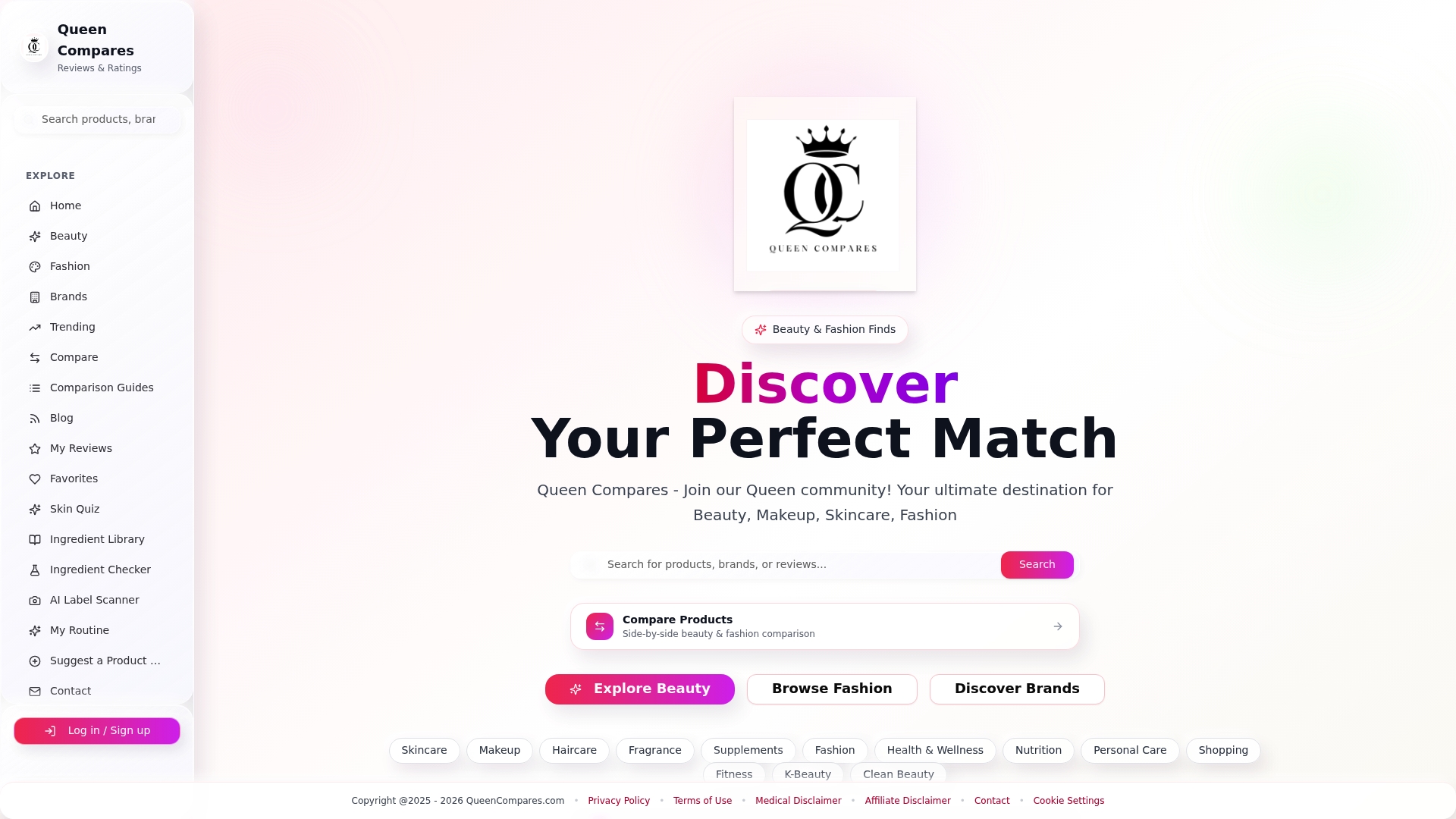
Start by browsing the full skincare product catalog to compare formulas side by side. Before you commit to any new product, run your ingredient list through the Ingredient Checker to catch conflicts before they reach your skin. You can also scan product labels with the Label Scanner for instant safety ratings and formula breakdowns. Our community reviews give you real feedback from people with skin like yours. Join the QueenCompares community and let us help you build a routine that actually fits.
FAQ
What does a personalized skincare routine mean?
A personalized skincare routine is a set of products and steps selected specifically for your skin type, concerns, lifestyle, and goals. It differs from generic routines by using assessment tools, professional input, and ongoing adjustments to match your unique skin profile.
How do I start building a custom skincare regimen?
Begin by identifying your skin type and active concerns, then use an AI analysis tool or consult a dermatologist to guide product selection. Introduce one new product at a time and review your routine every four to six weeks.
Can AI tools really personalize a skincare routine accurately?
Yes. AI-driven tools like La Roche-Posay’s MyRoutine deliver over 95% accuracy in skin analysis using photo uploads and large skin image databases. They provide a strong starting point, especially when combined with professional guidance for complex concerns.
How often should I adjust my personalized routine?
Adjust your routine whenever your skin condition changes noticeably, at seasonal transitions, or after introducing a new active ingredient. Personalized routines benefit from iterative review based on changing skin conditions and environmental factors.
What ingredients should I avoid mixing in a personalized routine?
Avoid combining retinoids with AHAs or BHAs without a buffer, and be cautious pairing vitamin C with niacinamide at high concentrations. Checking pH levels and chemical interactions with an ingredient compatibility tool prevents irritation and wasted product.