TL;DR:
- Choosing hydrating, reflective formulas that flex with skin improves makeup appearance for mature skin. Applying thin, layered products on slightly damp skin and placing blush and eyeshadow higher can create a more youthful look. Cream formulas and proper application techniques help prevent caking and emphasize natural radiance in aging skin.
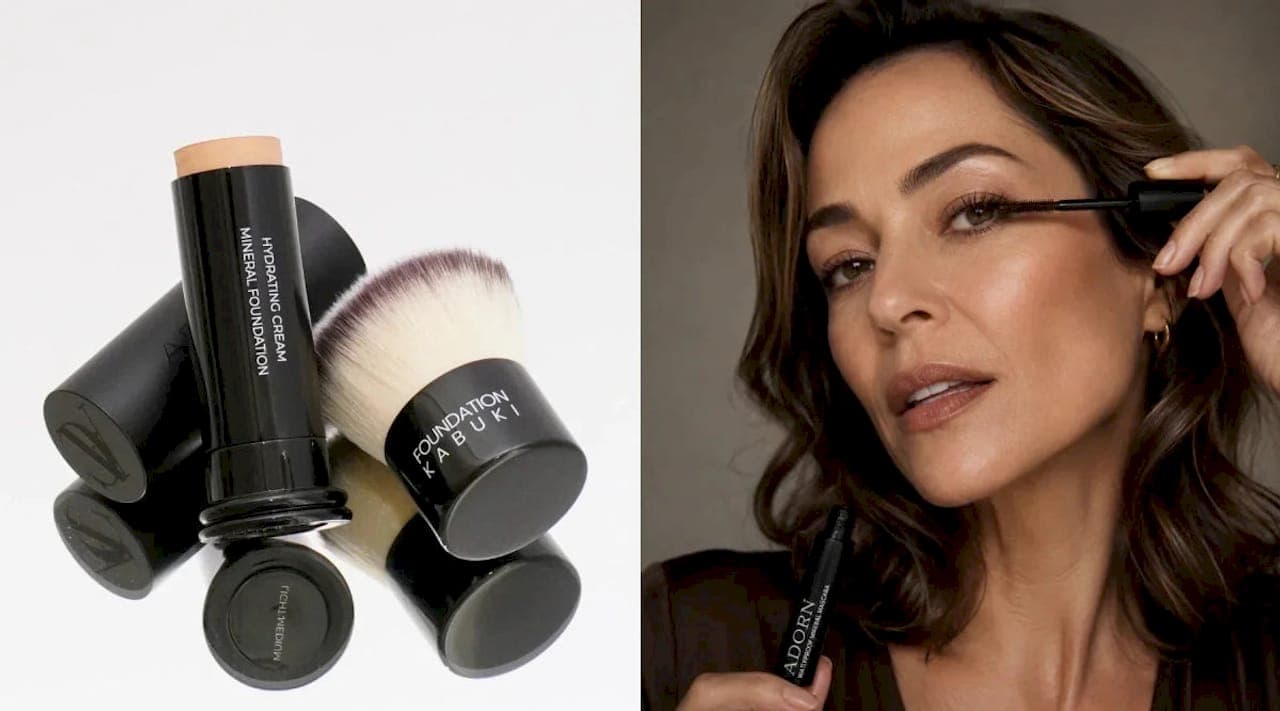
Selecting the best makeup for mature skin means choosing formulas that hydrate, reflect light, and flex with your texture rather than settle into it. Mature skin, defined by increased dryness, thinning, and reduced elasticity from hormonal changes after 40, needs a different approach than the heavy coverage products many women grew up using. The right anti-aging makeup recommendations focus on ingredients like hyaluronic acid, squalane, and ceramides, paired with application techniques that enhance your natural glow. QueenCompares makes it easier to find those products by letting you compare formulas and scan ingredient labels before you buy.
What ingredients and formulas work best for mature skin?
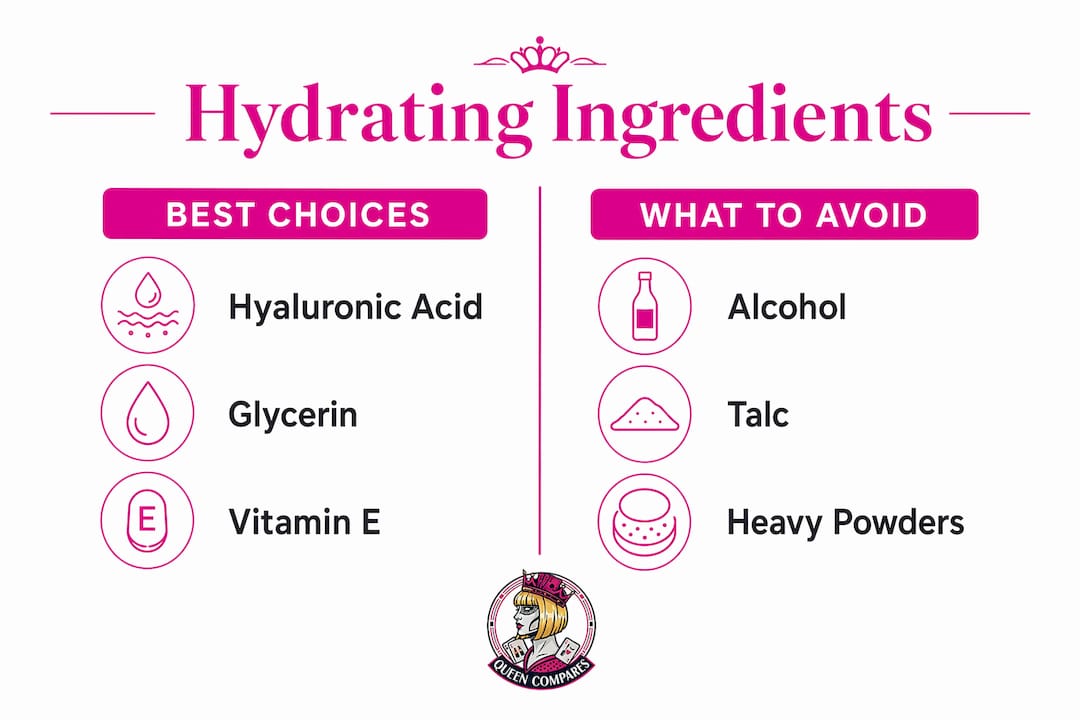
Hydrating ingredients like hyaluronic acid, glycerin, squalane, ceramides, and vitamin E are the foundation of any effective mature skin makeup formula. These ingredients do two jobs at once. They keep skin comfortable throughout the day and prevent makeup from drying out and cracking into fine lines.
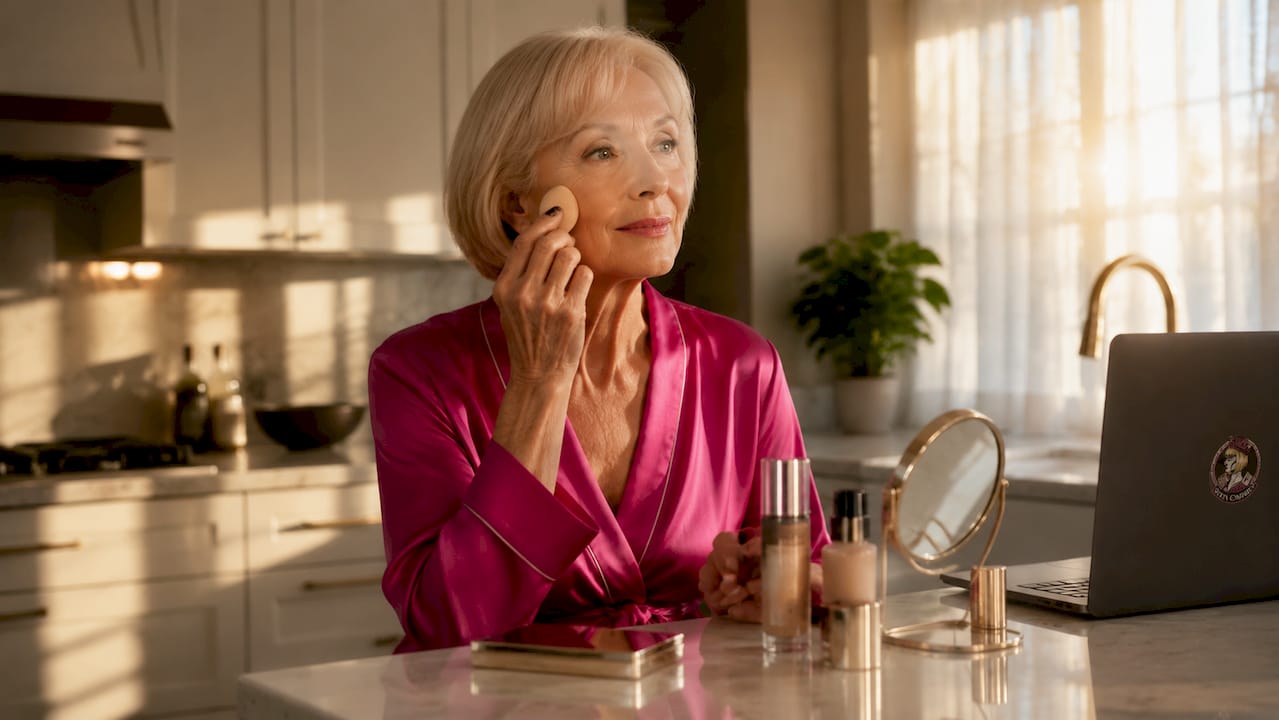
Formula type matters just as much as ingredients. Liquid, serum-based, and soft satin finish foundations sit on skin without emphasizing texture. Heavy matte formulas pull moisture away from the surface and settle into every crease, making lines look deeper than they are. Experts consistently advise skipping matte and powder finishes in favor of radiant or satin finish liquids that move with your skin.
For blush, bronzer, and highlighter, cream formulas beat powders every time. Cream-based products replicate natural blood flow and luminosity in a way that powder simply cannot. Powder sits on top of skin and catches in dry patches, while cream melts in and looks like it belongs there.
Ingredients and formulas at a glance:
| Category | Best choices | What to avoid |
|---|---|---|
| Hydrating ingredients | Hyaluronic acid, glycerin, squalane, ceramides, vitamin E | Alcohol-heavy formulas, fragrance-forward products |
| Foundation finish | Radiant, satin, luminous, serum-based | Heavy matte, full-coverage powder |
| Blush and bronzer | Cream, balm, liquid | Loose powder, heavy pressed powder |
| Concealer | Lightweight, crease-resistant, hydrating | Thick, high-coverage, drying formulas |
| Highlighter | Cream or liquid, soft glow | Chunky glitter, heavy shimmer powders |
Pro Tip: Read the first five ingredients on any foundation label. If alcohol or talc appears before a hydrating ingredient, put it back.
How do you adapt makeup application for mature skin?
Application technique changes the result more than product choice alone. The most common mistake women over 40 make is applying too much product at once. Building coverage in thin, sheer layers prevents caking and keeps skin visible underneath, which reads as natural and youthful.
The damp skin rule is one of the most effective techniques available. Applying makeup on slightly damp skin allows products to meld with your skin rather than sit on top of it. Let your moisturizer absorb for about 60 seconds, then apply foundation while skin still has a slight surface moisture. The difference in blendability is immediate.
Placement shifts matter too. Applying blush higher on the cheekbones, sweeping toward the temples, lifts the face visually. Placing blush low on the apple of the cheek, as many women learned in their 20s, pulls the face downward. For eyes, apply eyeshadow above the natural crease with your eyes open, not closed. Hooded lids, which become more common after 40, hide shadow placed at the crease when eyes are open.
Here is a reliable application sequence for mature skin:
-
Apply a hydrating primer or let moisturizer settle for 60 seconds.
-
Dot a small amount of liquid foundation on the center of the face only.
-
Blend outward with a damp sponge using light pressing motions, not dragging.
-
Add concealer only where needed, using a thin layer and patting gently.
-
Set with a fine mist setting spray instead of powder, or use translucent powder only on the T-zone.
-
Apply cream blush high on the cheekbones, blending toward the temples.
-
Finish eyes with shadow placed above the crease, visible with eyes open.
Pro Tip: Swap your foundation brush for a damp beauty sponge. It deposits less product and blends more naturally on textured skin.
How to choose the best foundation and concealer for mature skin
The best foundation for mature skin is medium coverage, radiant or satin finish, and liquid or cream in texture. That combination gives you enough coverage to even skin tone without masking the skin entirely. Skin visibility is what makes a complexion look alive rather than painted.
Avoid powder foundations and full-coverage formulas. Both settle into fine lines within hours and require touch-ups that add more product, making the problem worse. The less-is-more approach consistently delivers a more youthful finish than heavy coverage ever will.
For concealer, the priority is crease resistance and hydration. A thick, high-coverage concealer under the eyes will crease within 30 minutes on mature skin. Choose a lightweight, hydrating formula and apply it in a thin layer, patting rather than rubbing. Color-matching matters here too. Going more than one shade lighter than your skin tone creates a flashback effect in photos and draws attention to the under-eye area rather than minimizing it.
Foundation types compared:
| Foundation type | Finish effect | Best for mature skin? |
|---|---|---|
| Liquid, satin finish | Natural, skin-like glow | Yes, top choice |
| Serum foundation | Sheer, luminous, hydrating | Yes, especially for dry skin |
| Cream foundation | Dewy, buildable coverage | Yes, for very dry or mature skin |
| Matte liquid | Flat, pore-minimizing | No, emphasizes texture |
| Powder foundation | Dry, full coverage | No, settles into lines |
| Cushion compact | Light, fresh, dewy | Yes, for light coverage days |
Follow this process when selecting a foundation:
-
Identify your skin type: dry, combination, or normal.
-
Choose a finish: satin for combination skin, luminous or dewy for dry skin.
-
Select medium coverage as your starting point.
-
Test on your jawline in natural light, not store lighting.
-
Check the ingredient list for hyaluronic acid, glycerin, or squalane before buying.
Pro Tip: Use the makeup layering technique of applying one sheer layer, checking the result, and only adding a second layer where you genuinely need more coverage. Most women need far less than they think.
Which blush, bronzer, eye, and lip products suit mature skin?
Cream and liquid formulas win across every makeup category for women over 40. Cream blush looks like natural blood flow in a way powder never replicates. It also stays put longer on dry skin because it bonds with the skin’s surface rather than sitting on top of it.
For eyes, soft neutral shades in matte or low-shimmer finishes work best. Heavy shimmer eyeshadow draws attention to crepe texture on the lid. A warm taupe, soft brown, or dusty rose applied above the crease with eyes open creates definition without emphasizing texture. Liner in brown or espresso tones gives softer definition than black. Brown-toned liners are more flattering on mature eyes because they define without creating a harsh contrast that ages the face.
Lips deserve the same hydration focus as the rest of your face. Dry, matte lip formulas bleed into fine lines around the mouth and look patchy within an hour. Satin and cream lip colors stay put and keep lips comfortable. Bold lip colors are absolutely an option for mature women. The key is pairing a bold shade with a hydrating formula and a light touch of liner to prevent bleeding.
Here are the products that consistently perform well for mature skin:
-
Blush: Cream or liquid formulas in peach, rose, or soft coral shades
-
Bronzer: Cream bronzer in matte or low-shimmer, applied lightly to the perimeter of the face
-
Highlighter: Liquid or cream highlighter on the tops of cheekbones, bridge of nose, and cupid’s bow
-
Eyeshadow: Warm neutrals in matte or subtle satin finish, placed above the crease
-
Eyeliner: Brown or espresso pencil or gel liner, softly smudged for a natural edge
-
Lip color: Satin or cream finish in your preferred shade, with a matching liner to prevent feathering
Key Takeaways
Mature skin needs hydrating formulas, light-reflective finishes, and placement-aware techniques to look radiant rather than heavy.
| Point | Details |
|---|---|
| Prioritize hydrating ingredients | Choose foundations and concealers with hyaluronic acid, squalane, or ceramides to prevent dryness and settling. |
| Avoid matte and powder finishes | Satin and liquid formulas stay flexible on mature skin and do not emphasize fine lines. |
| Apply in thin, sheer layers | Building coverage gradually prevents caking and keeps skin looking natural and alive. |
| Shift product placement | Apply blush higher on cheekbones and eyeshadow above the crease with eyes open for a lifting effect. |
| Use cream formulas throughout | Cream blush, bronzer, and highlighter bond with skin and replicate natural luminosity better than powders. |
What I’ve learned from years of watching makeup age women up or down
The biggest mistake I see women over 40 make is reaching for more coverage when skin starts changing. More product almost always makes things worse. Skin thinning and dryness after menopause mean that heavy foundations settle into texture within an hour, no matter how good the formula is. The answer is less product, better placed.
What changed my own approach was accepting that visible skin is a feature, not a flaw. Makeup artist Laura Geller puts it well: no-makeup makeup for mature skin is about looking radiant and refreshed, not fully masked. That shift in goal changes every product decision you make.
The damp skin rule was the single technique that made the biggest difference for me personally. Applying foundation on skin that still has surface moisture from moisturizer is not just a tip. It is a completely different experience. Products blend in rather than drag across, and the finish looks like skin rather than makeup.
The other thing worth saying directly: makeup rules are guidelines, not restrictions. If you love a bold red lip or a dramatic eye, wear it. Confidence is the most effective beauty tool available, and no formula can replicate it. Use the techniques here as a starting point, then make them your own.
— Magdalena Kapuscinska
QueenCompares helps you find the right products faster
Knowing what ingredients to look for is only half the work. Finding products that actually contain them, at a price that makes sense, takes time most of us do not have.

QueenCompares gives you a smarter way to shop for mature skin makeup. The Ingredient Library lets you look up hyaluronic acid, squalane, ceramides, and dozens of other hydrating compounds to see exactly which products contain them. The Label Scanner lets you scan any product while Ingredient Checker allows to paste ingredirent list before you buy to check its formula against your skin’s needs. You can also compare products side by side to see how foundations, concealers, and blushes stack up on ingredients, finish, and community reviews. Join the QueenCompares community and shop with confidence.
FAQ
What is the best foundation type for mature skin?
Liquid or serum foundations with a satin or radiant finish work best for mature skin. They stay flexible, hydrate throughout the day, and do not settle into fine lines the way matte or powder formulas do.
Which ingredients should I look for in makeup for mature skin?
Look for hyaluronic acid, glycerin, squalane, ceramides, and vitamin E. These ingredients hydrate skin and help makeup stay in place without drying out or cracking.
How do I apply concealer without it creasing under my eyes?
Use a lightweight, hydrating concealer and apply it in a thin layer by patting, not rubbing. Avoid going more than one shade lighter than your skin tone, and skip heavy powder to set it.
Should women over 40 avoid bold lip colors?
Bold lip colors are absolutely fine for mature women. Choose a satin or cream formula rather than a matte one, and use a matching lip liner to prevent the color from feathering into fine lines around the mouth.
Why does my foundation look cakey by midday?
Caking usually happens when too much product is applied at once or when foundation is applied on dry skin. Try the damp skin rule, use a smaller amount of product, and build coverage in thin layers rather than applying one heavy coat.