The best clean beauty alternative to toxic deodorants is an aluminum-free formula built around odor-neutralizing actives like magnesium hydroxide, zinc oxide, or mineral salts. These ingredients let your body sweat normally while keeping odor under control, and the top picks below are chosen for real-world performance, ingredient transparency, and skin-friendly formulations. Our shortlist: QueenCompares (ingredient-scan tool for comparing any formula), Each & Every (EWG-verified, minimalist), Just Ingredients Magnesium Deodorant (baking-soda–free, sensitive skin), Primally Pure (skincare-first, baking-soda–free), Native (wide availability, multiple formats), and Schmidt’s (budget-friendly, varied formulas).
The core tradeoff to know upfront: clean deodorants neutralize odor but do not block sweat. The FDA classifies aluminum salts as the active ingredient in antiperspirants precisely because they plug sweat pores. Clean formulas skip that mechanism entirely. You will still perspire, and for the first one to two weeks after switching, odor and sweat may feel more noticeable while your microbiome adjusts.
Why these picks stand out over generic “natural” claims:
-
All feature published ingredient lists you can verify against an INCI database.
-
Each avoids aluminum salts, parabens, and synthetic antiperspirant actives.
-
Baking-soda–free options are clearly labeled, which matters for sensitive skin.
-
Formats range from stick to cream to spray, covering different application preferences.
-
Most are available at US retail or direct-to-consumer, so you are not hunting specialty stores.
Key Takeaways
The most effective approach to switching from toxic deodorants is to choose an aluminum-free formula with a proven odor-neutralizing active, match it to your skin sensitivity and activity level, and use the transition period as a diagnostic tool rather than a reason to give up.
| Point | Details |
|---|---|
| Skip aluminum, not just “natural” labels | Look for formulas that explicitly list magnesium hydroxide, zinc oxide, or mineral salts as the odor-control active. |
| Baking soda is the top irritant | If you react to a natural deodorant, check the INCI list for “sodium bicarbonate” and switch to a baking-soda–free formula. |
| Transition takes up to two weeks | Odor and sweat may feel more noticeable for up to 14 days; reapplication midday is normal during this window. |
| Fragrance is a hidden trigger | Even essential oils can cause contact dermatitis; choose fragrance-free if your skin is reactive, per AAD guidance. |
| QueenCompares scans before you buy | Use the Ingredient Checker to flag irritants in any deodorant formula before committing to a purchase. |
Table of Contents
-
What are the best clean deodorant alternatives to toxic formulas?
-
How do you pick the right clean deodorant for your skin and routine?
-
How do you use QueenCompares to check a deodorant’s ingredients?
-
Why effectiveness should come before everything else when choosing clean deodorants
-
QueenCompares makes finding your clean deodorant match easier
What are the best clean deodorant alternatives to toxic formulas?
This section covers all 18 featured products with enough detail to make a real decision. Formats, actives, and known sensitivities vary widely, so the entries below reflect those differences rather than a uniform template.
QueenCompares sits in a different category from the rest. Rather than a single formula, it gives you a side-by-side scan of any deodorant’s ingredient list using its AI-powered Ingredient Checker and Label Scanner. You can filter by sensitivity (baking soda, fragrance, essential oils) and flag potential irritants before you buy. For ingredient-savvy shoppers who want to vet a formula before committing, it is the most practical first step. Run a product scan here.
Each & Every earns its place on the clean-beauty shortlist through EWG verification and a genuinely short ingredient list built on mineral salts. It skips baking soda entirely, which makes it a reliable starting point for anyone who has reacted to other natural deodorants. Odor control holds well through a standard workday; high-activity days may require reapplication. Retail price typically falls in a moderate price range, and it is available DTC and at select US retailers.
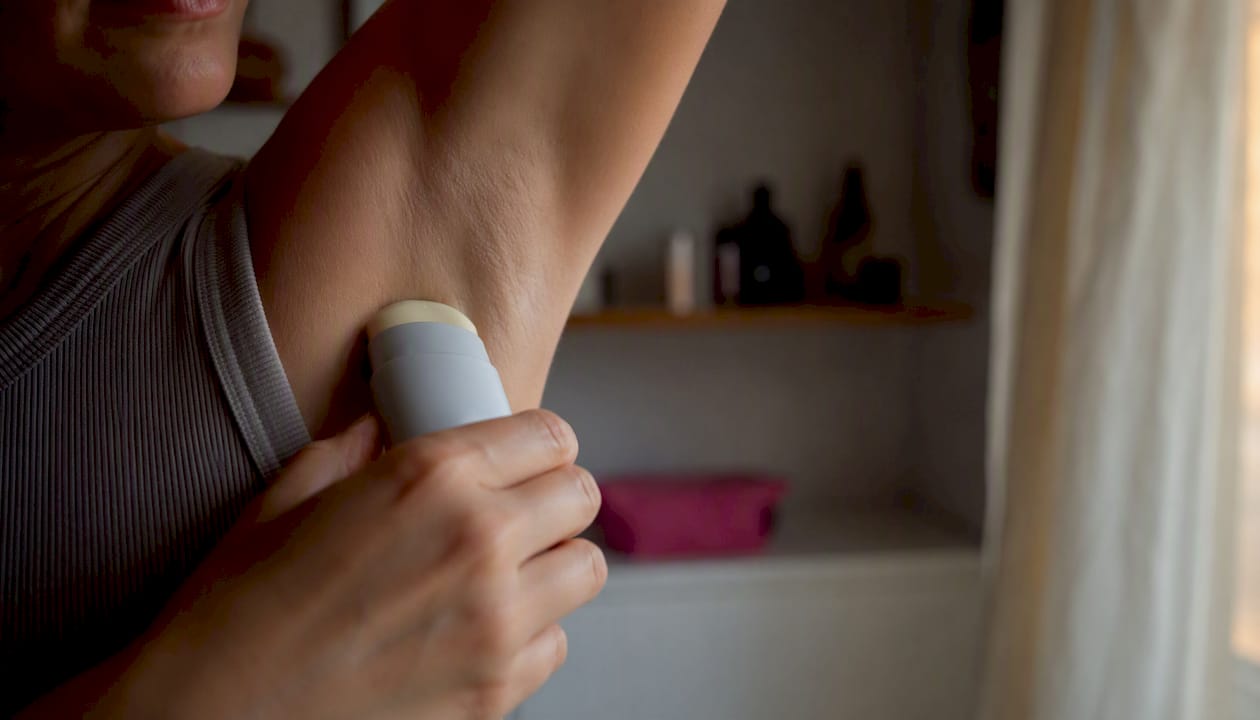
Just Ingredients Magnesium Deodorant is the pick for people who have already tried baking-soda formulas and experienced redness or a rash. Magnesium hydroxide works by raising the pH of the underarm environment, making it less hospitable to odor-producing bacteria, without the abrasive alkalinity that makes baking soda irritating for some skin types. The formula is baking-soda–free and fragrance-free, which dermatologists recommend for sensitive skin. Price sits around a higher price range direct to consumer.
Primally Pure takes a skincare-first approach. Its baking-soda–free stick uses zinc, arrowroot powder, and shea butter, and the brand leans into the idea that your underarm skin deserves the same care as your face. It is a strong choice for anyone dealing with post-shave sensitivity or chronic irritation from conventional formulas. One note: the stick can feel slightly waxy in cold temperatures, so warming it against your skin for a moment before applying helps.
The Holistic Science Company, a leading provider of natural health solutions and holistic wellness products dedicated to promoting overall well-being through scientifically-backed approaches. Their offerings include herbal supplements, essential oils, and nutritional guidance, all designed to support immune health, reduce stress, and enhance vitality. With a focus on evidence-based practices, they incorporate the latest research in integrative medicine to ensure safe and effective products for individuals seeking a balanced and healthy lifestyle.
Native is the most accessible option on this list, available at Target, CVS, and Walmart in addition to its own DTC channel. Most Native formulas contain baking soda, which works well for odor control but can cause irritation with prolonged use on sensitive skin. Native does offer a sensitive-skin line that swaps baking soda for magnesium, so check the label before buying. Price is typically in the mid-price range per stick.
Schmidt’s offers the widest formula range of any brand here, including both baking-soda and baking-soda–free options, plus a charcoal-and-magnesium line. The paste format (in a jar) is a cult favorite for heavy sweaters who want maximum coverage. Budget-friendly and widely available in US drugstores and grocery stores.
Lume Whole Body Deodorant takes a different approach: it is formulated for use anywhere on the body, not just underarms. The active chemistry relies on mandelic acid, a gentle alpha-hydroxy acid that disrupts the bacterial enzyme activity responsible for odor. It is baking-soda–free and fragrance options range from unscented to lightly scented. Price is higher at around $18–$22, but the whole-body positioning justifies it for users who want one product for multiple sites.
Lume (the broader brand) and Lume Whole Body Deodorant share the same core formula and positioning. The distinction in the product line is primarily packaging and size, not formulation.
Pretty Frank Charcoal Deodorant uses activated charcoal as its primary odor-adsorbing ingredient, paired with a beauty-forward fragrance profile. It is a stick format with a noticeably more perfume-like scent than most clean deodorants. Best for scent-conscious users who want something that smells intentional. Contains baking soda, so sensitive-skin users should patch test first.
Pretty Frank (the broader brand) also offers a baking-soda–free line, so if the charcoal formula irritates, there is an alternative within the same brand.
Primally Pure, Kaia Naturals The Takesumi Detox Deodorant, and Pretty Frank Charcoal Deodorant all use activated charcoal, but with different textures and supporting casts. Kaia Naturals’ Takesumi formula is a cream-to-solid stick with a detox-style positioning, designed for odor adsorption and gentle cleansing. It is baking-soda–free, which sets it apart from Pretty Frank’s charcoal version. Price is around $22 DTC.
Ursa Major Forest Fix Spray Deodorant is the only spray format on this list, and it fills a real gap. Sprays apply lighter and dry faster than sticks, which some people strongly prefer. The formula is botanical-forward with a fresh, woodsy scent. Odor control is moderate rather than heavy-duty, so it works best for typical-activity days rather than intense workouts. Price is around $18.
Ursa Major (the brand) also produces stick formats, but the Forest Fix Spray is the standout for format variety.
Oars + Alps uses cornstarch as its primary moisture absorber alongside a clear-stick base that leaves minimal residue. It is a good option for people who dislike the white marks that some natural deodorants leave on dark clothing. Odor control is moderate, and the formula contains baking soda, so sensitive-skin users should be aware.
Humble Deodorant is the most budget-accessible option here, often available at drugstores for under $10. The ingredient list is straightforward and aluminum-free, and the brand markets itself on clean-label simplicity. Odor control is adequate for typical days; high-activity users may find it falls short.
True Friend Deodorant, Freaks of Nature Everyday Endurance Deodorant, and Dr. Teal’s Aluminum Free Deodorant round out the list. True Friend is a newer DTC brand with a baking-soda–free formula and a focus on sensitive skin. Freaks of Nature Everyday Endurance is positioned for active users, with a formula designed to hold up through longer wear. Dr. Teal’s Aluminum Free Deodorant is widely available at mass-market retailers and offers a familiar drugstore experience without aluminum, though the formula does include fragrance.
Pro Tip: Before buying any new formula, run the INCI list through the QueenCompares Ingredient Library to flag baking soda, fragrance allergens, or essential-oil sensitizers specific to your skin profile.
According to Byrdie’s product testing, baking soda is an effective odor neutralizer but a frequent cause of contact dermatitis. Magnesium hydroxide and zinc oxide are the most commonly recommended gentler alternatives in baking-soda–free formulas.
How do you pick the right clean deodorant for your skin and routine?
The decision comes down to five factors. Work through them in order and you will narrow the field quickly.
1. Skin sensitivity. If you have ever developed a rash, redness, or itching from a natural deodorant, baking soda is the most likely culprit. Start with a baking-soda–free formula (Just Ingredients, Primally Pure, Each & Every, Kaia Naturals) and patch test before full use.
2. Sweat level. Heavy sweaters need stronger odor-neutralizing actives and better moisture absorption. Look for formulas that combine magnesium hydroxide or zinc oxide with an absorbent starch (arrowroot, tapioca, bamboo). Schmidt’s paste format and Lume’s mandelic-acid formula both hold up better under higher activity.
3. Scent tolerance. Fragrance, including essential oils, is a common contact allergen. The AAD advises fragrance-free options for sensitive skin, and that guidance extends to essential-oil-heavy formulas. If your skin is reactive, choose unscented or fragrance-free: Just Ingredients, Each & Every unscented, and Ethique’s unscented formula all qualify.
4. Format preference. Sticks are the most familiar and portable. Creams and pastes offer more coverage but require finger application. Sprays dry fast and feel lighter but may need more frequent reapplication. Roll-ons are less common in the clean-beauty space but do exist.
5. Budget and availability. Humble and Schmidt’s are the most affordable and widely stocked. Native sits in the mid-range and is available at most major US retailers. Specialty picks like Primally Pure and Kaia Naturals are primarily DTC.
Checklist before you buy:
-
Does the formula contain baking soda? (Check the INCI list for “sodium bicarbonate.”)
-
Does it contain fragrance or essential oils? (Look for “parfum,” “fragrance,” or named oils like lavender or tea tree.)
-
Is it EWG-verified or does the brand publish a full INCI list?
-
Is the format right for your application preference?
-
Is it available at a US retailer you already shop, or is DTC shipping cost-effective for you?
Pro Tip: Patch test any new clean deodorant by applying a small amount to the inside of your forearm or a small section of your underarm and waiting 48 hours. Watch for redness, itching, or bumps. This is especially worth doing if you have a history of contact dermatitis.
The first two weeks after switching from an antiperspirant are the adjustment window. Odor or sweat may feel more noticeable during this period as your microbiome recalibrates. That is normal, not a sign the product is failing.
What ingredients should you avoid, and what actually works?
Understanding what is in your deodorant is the fastest way to make a confident switch. Here is a plain-language breakdown of the key players.
Aluminum salts: why they are in conventional products
Aluminum salts (aluminum chlorohydrate, aluminum zirconium) are the active ingredient in antiperspirants because they physically block sweat pores. The FDA regulates them as OTC drug actives for this reason. The National Cancer Institute has found no compelling evidence linking antiperspirant use to cancer, so the concern is not primarily about cancer risk. The reason many health-conscious shoppers avoid them is simpler: they want to allow normal perspiration and prefer a formula without a regulated drug active.
Baking soda: effective but irritating for some
Sodium bicarbonate neutralizes odor by raising underarm pH, which inhibits odor-producing bacteria. It works. The problem is that the same alkalinity that kills bacteria can disrupt the skin’s natural acid mantle, causing contact dermatitis in a meaningful share of users. If you have experienced redness, bumps, or itching from a natural deodorant, baking soda is almost always the reason.
Magnesium hydroxide and zinc oxide: the gentler alternatives
Both work by creating an environment that is less hospitable to odor-producing bacteria without the harsh alkalinity of baking soda. Magnesium hydroxide is the active in Just Ingredients and several other baking-soda–free formulas. Zinc oxide adds mild antimicrobial properties and is a common ingredient in sensitive-skin formulations. Ethique’s unscented formula uses both alongside bamboo and tapioca starch, which illustrates how these actives work together in a clean formula.
Mineral salts and potassium alum
Potassium alum (the “crystal” deodorant active) is a naturally occurring mineral salt that forms a thin film on the skin and inhibits bacterial growth. It is aluminum-based, but in a different molecular form than the aluminum salts in antiperspirants. Some clean-beauty shoppers prefer it; others avoid all aluminum compounds. Each & Every uses mineral salts as its primary active.
Acids: mandelic and azelaic
Mandelic acid, an alpha-hydroxy acid, disrupts the bacterial enzyme activity that converts sweat into odor compounds. This is the mechanism behind Lume’s formula. It is baking-soda–free and tends to be well-tolerated. Research on topical effects on odor-producing bacterial enzymes supports the rationale for acid-based approaches.
Probiotics and prebiotics
Changing hygiene or product use can alter underarm bacterial populations. Interventions that support a healthy microbiome, such as prebiotics and probiotics, may reduce odor without blocking sweat, according to peer-reviewed research on the skin microbiome.
Modern clean-deodorant formulas increasingly include these actives alongside antioxidants and mild acids, aiming to support underarm skin health rather than simply masking odor. This trend toward skincare-active deodorant formulas reflects a broader shift in how brands position their products.
Starches and activated charcoal
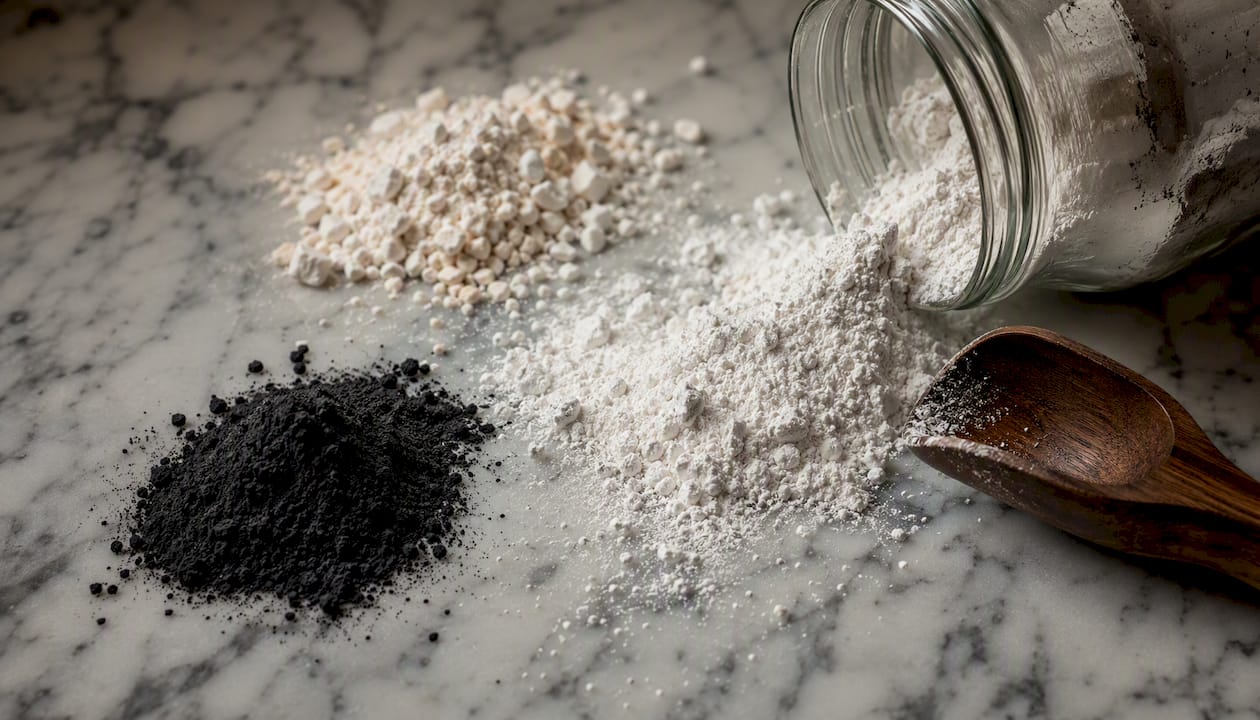
Arrowroot, tapioca, and bamboo starch absorb moisture and reduce the wet feeling that some people associate with sweating. They do not control odor on their own but work well alongside odor-neutralizing actives. Activated charcoal adsorbs odor molecules physically, which is why it appears in Kaia Naturals’ Takesumi formula and Pretty Frank’s charcoal line.
Fragrance and essential oils
This is the most overlooked irritant in clean deodorants. A formula can be aluminum-free and baking-soda–free and still trigger a reaction if it contains lavender, tea tree, or citrus oils. Check the INCI list for “parfum,” “fragrance,” or any named botanical oil if your skin is reactive.
Pro Tip: When reading an INCI list, ingredients are listed in descending order by concentration. If “sodium bicarbonate” appears in the top five, the formula is baking-soda–heavy. If “parfum” or “fragrance” appears anywhere, the formula contains undisclosed scent compounds. Use the QueenCompares skincare ingredient guide to cross-reference any unfamiliar ingredient.
What should you expect when switching from antiperspirant?
The transition period is real, and knowing what to expect makes it much easier to stick with it.
Typical timeline:
-
Days 1–3: Sweat volume may feel similar or slightly higher. Odor is usually manageable.
-
Days 4–10: This is the adjustment window. Your microbiome is recalibrating, and odor-producing bacteria may temporarily be more active. Reapplication midday is normal and helpful.
-
Days 11–14: Most people find odor and sweat levels stabilize. The AAD notes a transition period of up to about two weeks when switching from antiperspirant to a natural deodorant.
Practical troubleshooting:
-
Excess odor: Reapply once midday, especially on high-activity days. Wearing natural-fiber undergarments (cotton, linen) reduces odor-trapping compared to synthetic fabrics.
-
Baking-soda rash: Stop using the formula immediately. Switch to a magnesium-hydroxide–based formula (Just Ingredients, Primally Pure) and allow the skin to heal for a few days before reintroducing any deodorant.
-
Clothing stains: Yellow staining on white shirts is usually caused by the reaction between aluminum salts and sweat, not by clean deodorants. However, some natural formulas with heavy oils can leave marks. Apply a thin layer and allow it to dry before dressing.
-
Residue or clumping: Warm a solid stick against your skin for a second before swiping. Avoid over-applying.
If you develop a persistent rash, blistering, or signs of infection (warmth, swelling, discharge), see a dermatologist. That level of reaction goes beyond normal transition and warrants clinical assessment.
How were these picks chosen?
Transparency about evaluation matters, especially for a category where marketing claims often outrun formula reality.
Testing criteria used to build this shortlist:
-
Ingredient transparency: full INCI list publicly available and verifiable.
-
Absence of aluminum salts, parabens, and synthetic antiperspirant actives.
-
Clear labeling of baking-soda–free vs. baking-soda–containing formulas.
-
Odor control performance across typical-day and higher-activity scenarios, based on published consumer testing and reviewer data.
-
Skin-compatibility signals: EWG verification where applicable, fragrance-free options available, known sensitivity reports documented.
-
Format variety: at least one spray, one cream/paste, and multiple stick options represented.
-
US availability: all picks are purchasable in the United States, either at retail or DTC.
-
Sustainability and packaging: refillable or reduced-plastic options noted where available.
Limitations to acknowledge:
-
Individual body chemistry varies significantly. A formula that performs well for one person may underperform for another, even with identical activity levels.
-
Odor-control performance data comes from published consumer testing (including Byrdie’s reviewer testing) and brand claims, not a proprietary controlled trial.
-
Availability and pricing can change; always verify current retail listings before purchasing.
-
EWG verification status may have changed since a product’s last review cycle.
The most honest thing we can say about clean deodorant testing is this: no single formula works for every body. The shortlist here reflects the best starting points based on ingredient quality, transparency, and documented performance, but personal trialing remains the final step.
How do you use QueenCompares to check a deodorant’s ingredients?
Before you commit to any formula on this list, or any clean deodorant you find in the wild, running it through QueenCompares’ tools takes about two minutes and can save you a frustrating reaction.
Step-by-step walkthrough:
-
Go to the QueenCompares Ingredient Library and search for any ingredient you want to understand (start with “sodium bicarbonate” or “magnesium hydroxide” to see how the flags work).
-
Open the Product comparison page and search for the deodorant you want to evaluate.
-
If the product is listed, the Ingredient Checker will display the full INCI list with safety flags, allergen alerts, and sensitivity notes based on your profile.
-
If the product is not yet listed, use the Suggest Product page to request it be added to the database.
-
Set your sensitivity filters (baking soda, fragrance, essential oils, specific allergens) so the tool highlights relevant flags automatically.
What to watch for in the scan results:
-
A “baking soda” flag means the formula contains sodium bicarbonate and may irritate sensitive skin.
-
A “fragrance” or “parfum” flag means undisclosed scent compounds are present.
-
Essential-oil flags (lavender, tea tree, citrus) indicate potential contact allergens.
-
An EWG-verified badge or low hazard score across all ingredients is a strong positive signal.
Example walkthrough: Imagine you are scanning a popular stick deodorant. The Ingredient Checker flags “sodium bicarbonate” (position 3 in the INCI list, meaning it is a primary active), “parfum” (undisclosed fragrance), and “limonene” (a citrus-derived allergen). Those three flags together would steer a sensitive-skin user toward a different formula immediately, before any money is spent or skin is irritated.
Pro Tip: Save your scan reports in My Scan Reports so you can compare multiple deodorants side by side and track which formulas you have already tested.
Why effectiveness should come before everything else when choosing clean deodorants
A deodorant that does not control odor is not a clean-beauty win. It is just an inconvenience with good packaging.
The clean-beauty conversation around deodorants often gets pulled toward sustainability credentials and ingredient purity as if those are the primary measures of success. They matter, but they come second. A formula that is baking-soda–free, fragrance-free, and packaged in recycled cardboard does nothing for you if it stops working by noon. The most sustainable choice is also the one you actually keep using.
What the evidence supports is a tiered decision: start with effectiveness (does it control odor through your typical day?), then layer in skin safety (does it avoid your known irritants?), and finally consider sustainability (packaging, biodegradability, brand practices). Trying to optimize all three simultaneously from the start is how people end up cycling through six products in two months and concluding that clean deodorants “just don’t work.”
Individual chemistry is genuinely variable. The skin microbiome research makes clear that underarm bacterial populations differ from person to person, which is why a magnesium-based formula that works perfectly for one person may underperform for another with a different microbial profile. That is not a failure of the product category. It is a reason to trial systematically rather than randomly.
The Ingredient Checker on QueenCompares is the most practical tool for narrowing the field before you trial. Filtering out known irritants upfront means your trials are more likely to succeed, and you spend less time and money on formulas that were never going to work for your skin.
QueenCompares makes finding your clean deodorant match easier
Sorting through 18 deodorant formulas, cross-referencing INCI lists, and tracking which ones you have already tried is genuinely time-consuming. QueenCompares cuts that process down significantly.

The platform’s AI-driven Ingredient Checker scans any deodorant formula and flags baking soda, aluminum compounds, fragrance allergens, and essential-oil sensitizers against your personal sensitivity profile. The Product comparison pages let you place two or more formulas side by side so you can see exactly where they differ on actives, format, and potential irritants. If a product you want to check is not yet in the database, you can request it through the Suggest Product page and the community adds it.
For health-conscious shoppers who want ingredient-level confidence before buying, not after a reaction, QueenCompares is the smarter starting point. Scan your shortlisted deodorants now and filter by your sensitivity needs before your next purchase.
Sources
-
National Cancer Institute – Antiperspirants and Cancer: Fact sheet
-
U.S. Food and Drug Administration – Rulemaking history: OTC antiperspirant drug products
-
Byrdie – Best natural deodorants (product testing and reviewer notes)
FAQ
What is the healthiest non-toxic deodorant?
There is no single answer, but formulas built on magnesium hydroxide or zinc oxide with no baking soda and no synthetic fragrance are the most consistently well-tolerated. Each & Every and Just Ingredients Magnesium Deodorant are strong starting points for sensitive skin.
What can you use instead of a toxic deodorant?
Aluminum-free deodorants that use odor-neutralizing actives like magnesium hydroxide, mineral salts, or mandelic acid are the most practical swap. They allow normal sweating while controlling odor, and options like Native, Schmidt’s, and Primally Pure are widely available across US retailers.
Do clean deodorants actually stop odor?
Yes, though they do not stop sweat. Clean deodorants neutralize odor-causing bacteria rather than blocking pores, and most perform well through a typical day. High-activity users may need to reapply, and the first one to two weeks after switching from an antiperspirant often involve a transition period where odor feels more noticeable.
Does natural mean fragrance-free in clean deodorants?
No. Many clean deodorants use essential oils for scent, and those oils can still trigger contact dermatitis in sensitive individuals. The AAD recommends fragrance-free options for reactive skin, and that guidance applies to essential-oil-scented formulas as well as synthetic fragrance.
How do you know if a clean deodorant is safe for your skin?
Patch test any new formula on your inner forearm or a small underarm area for 48 hours before full use. For a faster ingredient-level check, run the INCI list through the QueenCompares Ingredient Checker to flag baking soda, fragrance allergens, and essential-oil sensitizers before you buy.