TL;DR:
- Clean makeup is a marketing term with no legal definition in the United States, making transparency and individual testing essential for consumers. While it typically excludes certain harmful ingredients like parabens, phthalates, and synthetic fragrances, it does not guarantee safety or skin compatibility. Choosing trustworthy brands involves reviewing full ingredient lists, seeking third-party certifications, and testing products gradually according to personal skin response.
Clean makeup is defined as cosmetic products marketed as free from certain ingredients brands or consumers consider potentially harmful, though no legal standard governs the term in the United States. That single fact changes everything about how you should shop. The FDA does not regulate or define “clean” in cosmetics, which means any brand can print the word on a label without meeting a specific formula requirement. Understanding what clean makeup actually means, versus what it promises, is the first step toward making choices that genuinely work for your skin.
What does clean makeup mean in practice?
Clean makeup, also called clean beauty in the broader industry, refers to products formulated without a brand’s self-selected list of restricted ingredients. The term is a marketing category, not a scientific or regulatory one. Because any brand can claim clean regardless of formulation, two products both labeled “clean” can have very different ingredient profiles.
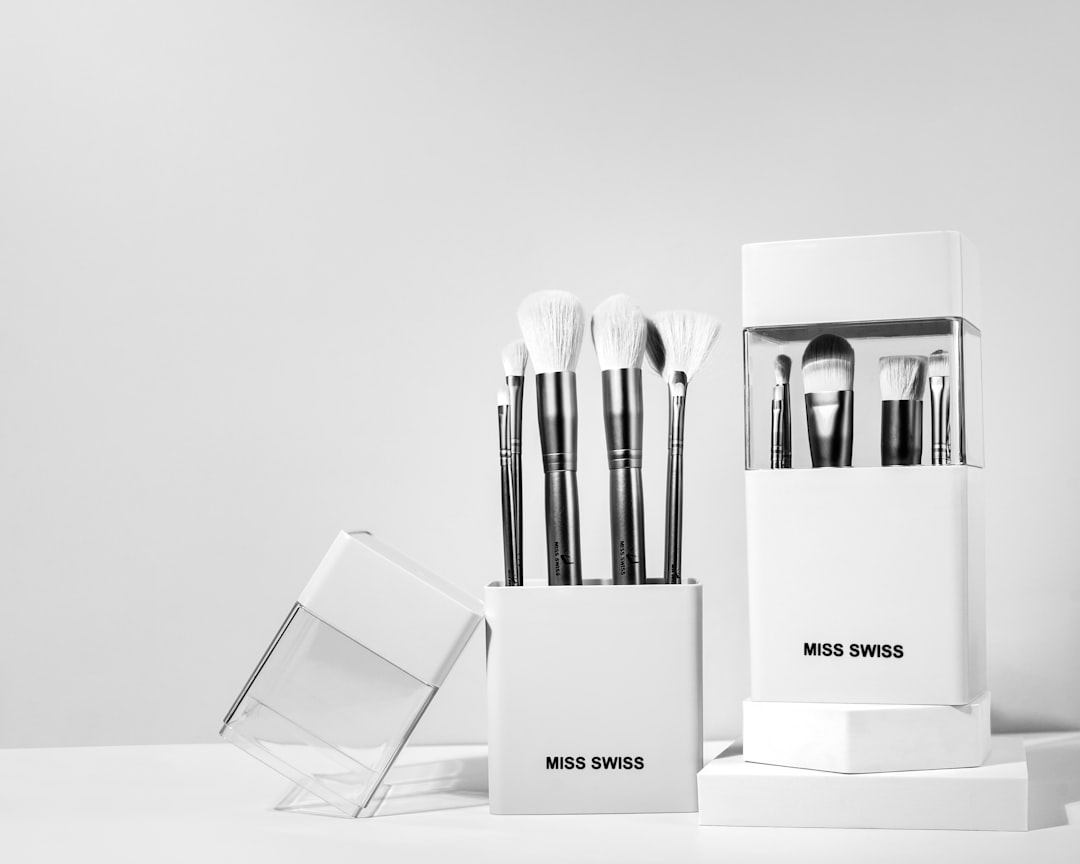
The clean cosmetics meaning typically centers on transparency. Brands that take it seriously publish full ingredient lists online, explain why they exclude certain substances, and avoid vague proprietary blends. That transparency is the most reliable signal you have when evaluating a product.
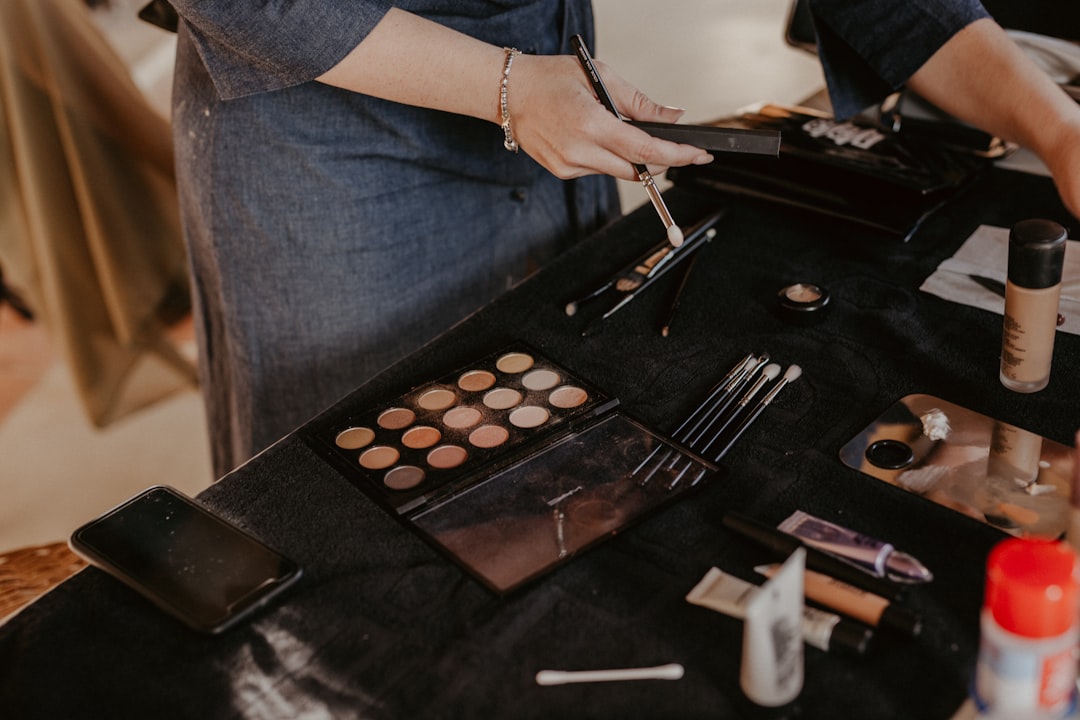
Clean makeup also sits within the wider clean beauty definition, which extends beyond ingredients to include cruelty-free testing, vegan formulas, and sustainable packaging. Those are separate claims, though. A product can be clean by one brand’s ingredient standard while still being tested on animals or packaged in single-use plastic.
What ingredients are typically excluded and included?
Clean makeup formulas generally exclude a consistent set of ingredients that brands or consumers associate with health or environmental concerns. The most common exclusions include:
-
Parabens (methylparaben, propylparaben): preservatives linked in some studies to endocrine disruption
-
Phthalates: plasticizers used in some fragrances and nail products, flagged for potential hormonal effects
-
Synthetic fragrances: fragrance is the leading cause of allergic contact dermatitis from cosmetics, making it a top exclusion
-
Talc: excluded by some brands due to concerns about asbestos contamination in raw mineral sources
-
Formaldehyde-releasing preservatives: such as DMDM hydantoin, flagged for sensitization risk
That list matters because fragrance alone affects a significant portion of people with sensitive skin. Removing it from a formula can reduce irritation risk meaningfully, regardless of whether the rest of the product qualifies as “clean.”
Common ingredients found in clean makeup formulas include mineral pigments like iron oxides and mica, plant waxes such as carnauba and candelilla, botanical oils like jojoba and rosehip, and tocopherol (vitamin E) as a natural antioxidant preservative.
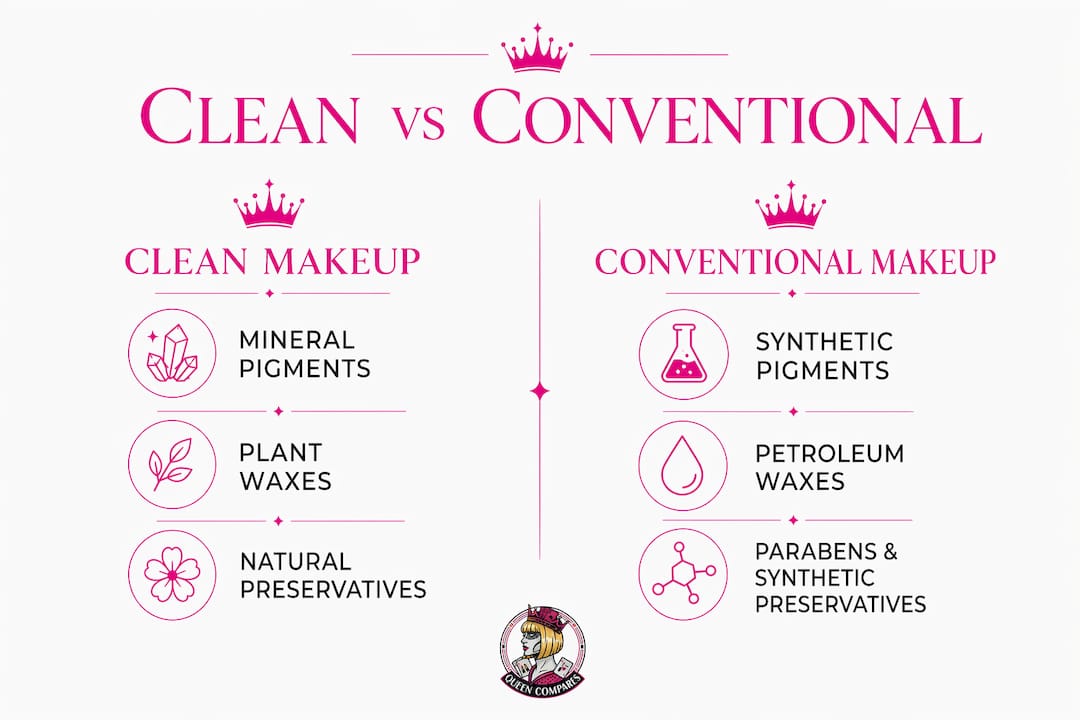
| Category | Clean Makeup | Conventional Makeup |
|---|---|---|
| Preservatives | Tocopherol, rosemary extract | Parabens, DMDM hydantoin |
| Pigments | Iron oxides, mica, titanium dioxide | Synthetic dyes (FD&C colors) |
| Fragrance | Fragrance-free or essential oils | Synthetic fragrance blends |
| Waxes/Binders | Carnauba wax, candelilla wax | Polyethylene, synthetic polymers |
| Moisturizers | Jojoba oil, shea butter | Mineral oil, silicones |
Pro Tip: Scan the ingredient list for the word “fragrance” or “parfum.” Use our Ingredient Checker and AI Label Scanner. Even one entry covers dozens of undisclosed chemicals, which is why fragrance-free products are the safest starting point for sensitive skin.
Why clean makeup isn’t a guarantee of safety
The biggest misconception about clean makeup is that the label equals safety. It does not. No regulated standard in the US cosmetics industry defines what “clean” requires, so the term carries no legal weight.
Natural ingredients are not automatically safer than synthetic ones. Natural botanicals can trigger allergies while some synthetic ingredients are scientifically validated to be more stable and less irritating. Tea tree oil, lavender, and citrus extracts all appear in clean products and all carry documented sensitization risks. Meanwhile, a synthetic preservative like phenoxyethanol, often excluded from clean lines, has a well-studied safety profile at cosmetic concentrations.
“Consumers often misunderstand ‘clean’ as inherently safer. Experts urge focusing on transparency and individual skin response instead.” — What Is Clean Beauty? What It Actually Means
Skin compatibility varies from person to person. A product labeled clean may still cause breakouts, redness, or irritation depending on your skin type, existing sensitivities, and the specific formula. The label tells you what a brand chose to leave out. It does not tell you how your skin will respond.
The practical takeaway is this: ingredient transparency matters more than the clean label itself. A brand that publishes its full formula and explains its choices gives you real information. A brand that just prints “clean” on the front panel gives you a marketing claim.
Pro Tip: Search the brand’s website for the full ingredient list before buying. If it’s not listed online, that limited disclosure is a red flag worth noting.
How to choose clean makeup thoughtfully and safely
Choosing clean makeup well means going beyond the label and building a personal evaluation process. Here is a practical approach:
-
Replace one product at a time. Experts recommend swapping one product, such as your foundation, before changing your entire routine. This makes it easier to identify what caused a reaction if one occurs. Read the skincare routine simplification checklist for a step-by-step approach to gradual switching.
-
Look for third-party certifications. Labels like EWG Verified, MADE SAFE, and Leaping Bunny provide independent safety evaluation that goes beyond brand self-reporting. These certifications require documented testing and ingredient review, which brand-only “clean” claims do not.
-
Check for full ingredient disclosure online. A well-disclosed ingredient list on the brand’s website signals genuine transparency. Physical packaging has space limits, but there is no excuse for hiding the full formula from consumers online. Learn to read ingredient labels so you know what you are actually looking at.
-
Prioritize fragrance-free and dye-free formulas. If you have sensitive skin or a history of reactions, these two exclusions reduce your risk more than any other single factor. Most clean makeup brands offer fragrance-free options within their lines.
-
Match the product to its purpose. Buying for clarity, not purity, produces better long-term results. A clean lip gloss with a simple formula is a lower-stakes choice than a clean foundation you wear daily for eight hours. Prioritize clean formulas for high-contact, long-wear products first.
-
Define your own ingredient priorities. The most sustainable shopping is personalized. Decide which ingredients matter most to you, whether that is paraben-free, fragrance-free, or vegan, and use that list to evaluate products rather than relying on a brand’s self-defined clean standard.
Pro Tip: Build a short personal “avoid” list of 5–10 ingredients based on your skin history. Check every new product against that list before buying. This takes two minutes and beats any marketing label.
How the clean beauty movement shapes brand standards
Clean beauty is as much a philosophy about ethics and transparency as it is about ingredient safety. Clean encompasses ingredients, ethics, sustainability, and transparency as a combined set of values, not a single formula requirement.
The challenge is that no universal ingredient exclusion list exists. Retailers and brands each maintain their own restricted substances lists, and they differ significantly. One major retailer may ban over 2,500 ingredients while a smaller clean brand may restrict only 30. Neither is wrong by law. Both can call their products clean.
Some clean labels emphasize vegan and cruelty-free practices, sustainable packaging, or fair trade sourcing. These are meaningful distinctions, but they are separate from ingredient safety. A product can check every ethical box and still contain an ingredient that irritates your skin.
Consumer power in this space comes from understanding what a specific brand means by clean, not what the word means in general. The most useful question to ask is: “What is this brand’s restricted ingredients list, and why did they choose those restrictions?” Brands with clear, published answers to that question are the ones worth trusting.
Key Takeaways
Clean makeup is a marketing category with no legal definition, which means ingredient transparency and personal testing matter far more than any label claim.
| Point | Details |
|---|---|
| No regulated standard exists | Any brand can call a product clean without meeting a legal formula requirement. |
| Fragrance is the top risk factor | Synthetic fragrance is the leading cause of allergic contact dermatitis in cosmetics. |
| Natural does not mean safer | Natural botanicals can cause allergies; some synthetic ingredients are more stable and less irritating. |
| Third-party certifications add credibility | EWG Verified, MADE SAFE, and Leaping Bunny provide independent review beyond brand claims. |
| Personalized evaluation beats labels | Define your own ingredient priorities and test products one at a time for the safest results. |
The clean label is a starting point, not a finish line
I have spoke to many people who were convinced that switching to clean makeup would solve their skin problems. Some of it did help. But the ones who saw real improvement were not the ones who bought the most “clean” products. They were the ones who learned to read a label.
The uncomfortable truth about clean beauty is that the word has been stretched so far it barely means anything on its own. I have seen products marketed as clean that contained essential oil blends known to cause photosensitivity. I have also seen conventional products with short, well-studied ingredient lists that performed beautifully on sensitive skin. The clean beauty label did not predict either outcome.
What actually works is ingredient literacy combined with honest self-observation. You need to know which ingredients your skin reacts to, and you need to test new products carefully. A gradual switch, one product at a time, tells you far more than any certification. Building a safe skincare routine around your skin’s actual needs is more protective than chasing a label.
My advice: use clean beauty as a filter, not a guarantee. It narrows the field and often leads you toward brands that care about transparency. But always go deeper. Check the full ingredient list, look for third-party verification, and pay attention to how your skin responds. That combination will serve you better than any marketing buzzword. That’s why I’ve been continually developeding Ingredient Checker, Ingredient Library and AI Label Scanner at Queencompares.com. This is the place where you can check what actual ingredients you have in your cleanser, serum, cream, foundation and more. You can make more informed choices while shopping skincare and makeup.
— Magdalena Kapuscinska - QueenCompares.com Founder
QueenCompares makes clean makeup research easier
Sorting through ingredient lists and brand claims takes time. QueenCompares brings that research together in one place, built specifically for people who want to shop with confidence.
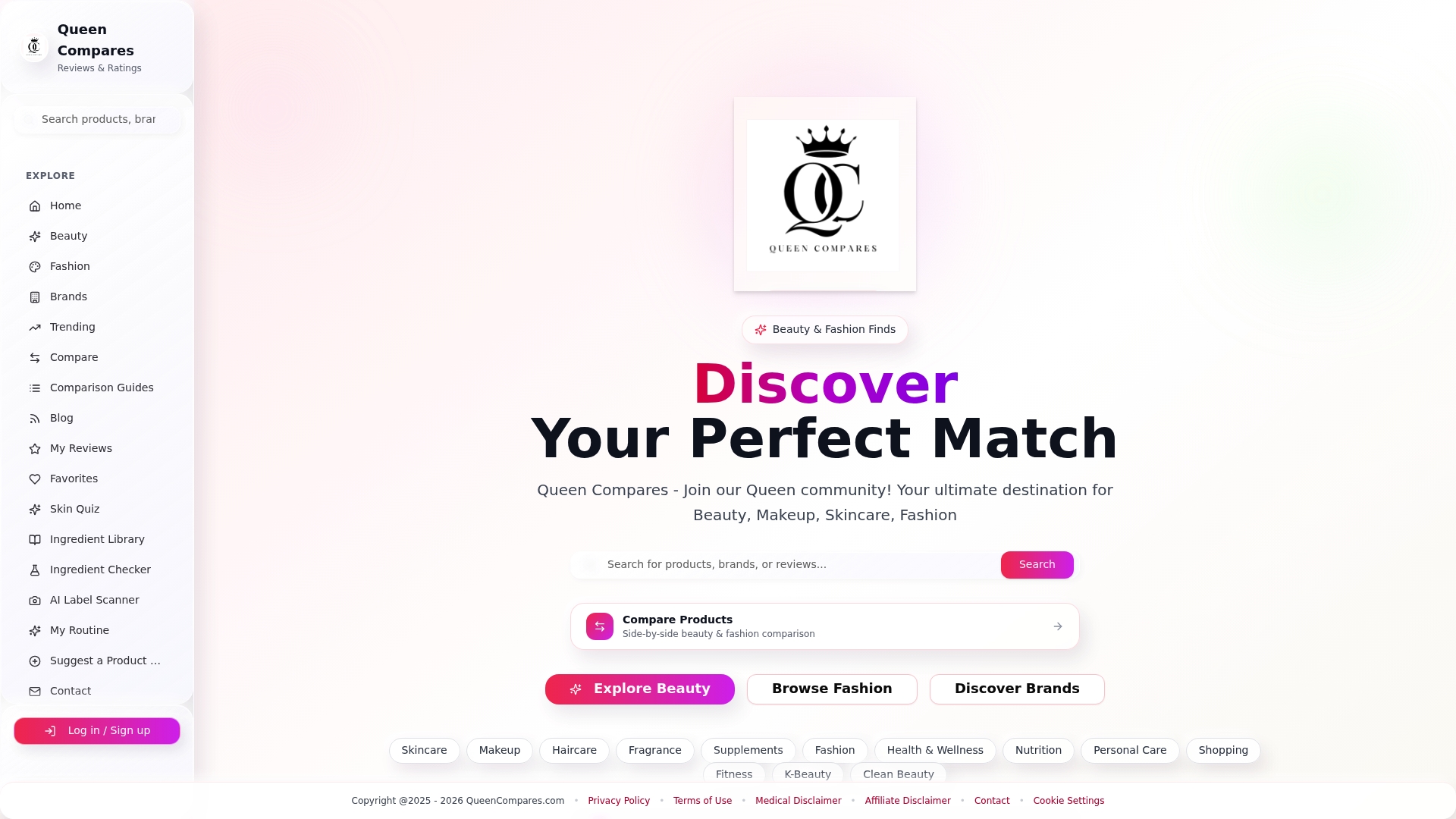
The QueenCompares Ingredient Library lets you look up individual ingredients and see their safety profiles, common uses, and known sensitivities. The Ingredient Checker tool goes further, letting you paste in a full ingredient list and get a breakdown of what each component does and whether it raises any flags for your skin type. You can also browse the QueenCompares Brands to compare clean skincare and makeup formulas side by side, filter by ingredient exclusions, and read community reviews from people with similar skin concerns. Smarter clean makeup shopping starts with better information, and that is exactly what our Queen community is here for.
Here are some Clean Beauty Brands and retailers in US and Europe:
-
100% Pure - Founded in 2007, 100% Pure has become a beacon of purity in the world of cosmetics. The brand prides itself on using only natural, food-grade ingredients, ensuring that every product is free from harmful chemicals and synthetic fragrances. Each item is meticulously crafted to not only enhance your beauty but also nourish your skin and support overall health. With a commitment to sustainability, 100% Pure uses eco-friendly packaging and sources ingredients responsibly, making it a favorite among eco-conscious consumers.
-
RMS Beauty - Before “clean beauty” was a ubiquitous marketing buzzword plastered across every beauty aisle, there was Rose-Marie Swift. A master celebrity makeup artist with over 40 years of experience working with the world’s most recognizable faces—including supermodels like Gisele Bündchen and Miranda Kerr—Swift had a profound lightbulb moment. After experiencing her own severe health issues related to toxic chemicals and heavy metals, many of which are historically prevalent in traditional cosmetics, she realized the beauty industry desperately needed a reset.
-
Kosas Cosmetics - Kosas was born out of a simple but radical idea: what if makeup actually made your skin better? Founded in Los Angeles by Sheena Yaitanes, the brand launched with a cult lipstick and quickly grew into one of clean beauty's most exciting and credible names. At its core, Kosas is about stripping back the unnecessary — no parabens, no sulfates, no synthetic fragrance — and filling the space with ingredients that genuinely nourish.
-
Kora Organics - When Australian supermodel Miranda Kerr launched Kora Organics in 2009, the beauty landscape was vastly different. 'Clean beauty' was still a niche concept, and organic products were often associated with poor textures and underwhelming results. Drawing on her holistic upbringing in small-town Australia and a personal passion for health and wellness, Kerr set out to prove that certified organic ingredients could deliver clinical, high-performance results. The seed was planted years earlier when her grandmother introduced her to Noni juice—a potent, antioxidant-rich superfruit that Kerr has consumed daily since she was a teenager. Naturally, this powerhouse ingredient became the beating heart of her entire skincare collection.
What truly sets Kora Organics apart from the saturated celebrity beauty market is its uncompromising commitment to purity. The brand doesn't just claim to be natural; it goes through the rigorous, painstakingly strict process of becoming Certified Organic by COSMOS/Ecocert. This guarantees that no toxic synthetics, artificial fragrances, or harmful chemicals make their way into your daily routine. Every formulation is a celebration of nutrient-dense botanicals, carefully cold-pressed and harvested to maintain their highest efficacy.
-
Detox Market (US, CA) - In 2010, long before the beauty industry was flooded with green marketing and confusing eco-jargon, a small pop-up shop appeared on Abbot Kinney Boulevard in Venice, California. Founded by Romain Gaillard, this temporary storefront had a revolutionary premise: to create a welcoming, educational space dedicated entirely to non-toxic, highly effective personal care. Gaillard recognized a glaring gap in the under-regulated cosmetics industry and sought to build a haven where consumers could shop without having to meticulously decode ingredient labels. That humble pop-up was the genesis of The Detox Market, a retail brand that would go on to define the modern clean beauty movement.
-
EccoVerde - If you're a devout label-reader who believes that what goes on your body is just as important as what goes in it, prepare to meet your new beauty obsession. Founded in 2009 by the Austrian e-commerce pioneer niceshops (with the visionary guidance of team members like Alice Falchero and Christoph Schreiner), Ecco Verde started as a passion project to make authentic organic cosmetics accessible. The founders envisioned a space where conscious consumers wouldn't have to decode confusing labels or guess if a product was truly ethical. Headquartered in the picturesque town of Paldau, Austria, the platform was born out of a simple frustration: finding genuinely natural beauty products online used to be a massive hassle. Today, Ecco Verde is Europe's largest and most trusted online retailer for Naturkosmetik (natural cosmetics), boasting a mind-boggling inventory of over 19,000 products.
-
Weleda - Long before "clean beauty" became the beauty industry's most ubiquitous marketing buzzword, there was Weleda. The story begins over a century ago, in 1921, when a brilliant triad—Austrian philosopher and scientist Dr. Rudolf Steiner, Dutch physician Dr. Ita Wegman, and Oskar Schmiedel, a chemist and pharmacist—came together with a radical vision. They didn't just want to create skincare; they wanted to harness the healing powers of nature based on the principles of anthroposophy, a philosophy that views the human body, mind, and spirit as intricately linked to the natural world.
-
Zao Makeup - Long before "sustainable beauty" became an industry buzzword, there was Zao Make-Up. Founded in France in 2012 by four nature-loving friends—David Reccole, Philippe Donnat, Yvan Rouvier, and Salima Macozzi Reccole—this visionary brand set out to prove that high-performance cosmetics didn't need to come at the earth's expense. The spark of inspiration actually ignited during David’s travels through Asia. After a Taiwanese friend gifted him a mechanical pencil housed in bamboo, he had an absolute lightbulb moment: if you can make a pen out of bamboo, why not a lipstick or a foundation compact?
FAQ
What does clean makeup mean exactly?
Clean makeup refers to cosmetic products formulated without a brand’s self-selected list of potentially harmful ingredients. There is no legal or FDA-regulated definition of the term in the United States.
Is clean makeup safe for sensitive skin?
Clean makeup reduces exposure to common irritants like synthetic fragrance and certain preservatives, but it does not guarantee no reaction. Fragrance is the leading cause of allergic contact dermatitis from cosmetics, so fragrance-free formulas are the safest choice for sensitive skin.
What is the difference between clean and organic makeup?
Clean makeup focuses on excluding certain ingredients considered harmful or controversial. Organic makeup requires that ingredients meet certified organic agricultural standards, such as USDA Organic. A product can be one without being the other.
How do I know if a clean makeup brand is trustworthy?
Look for brands that publish their full ingredient list online, maintain a documented restricted substances list, and carry third-party certifications like EWG Verified or MADE SAFE. These signals indicate genuine transparency rather than marketing claims alone.
Do clean makeup products perform as well as conventional ones?
Performance depends on the specific formula, not the clean label. Many clean makeup products perform comparably to conventional ones. Testing products individually and checking community reviews gives you a more reliable performance assessment than the clean designation alone.