TL;DR:
- Effective skincare depends on choosing ingredients tailored to your skin needs, focusing on barrier support and sun protection. Clinical appropriateness guides ingredient selection, with common actives like retinoids and niacinamide suited for specific scenarios. Advanced delivery systems like plant-derived exosomes enhance results but remain costlier, emphasizing the importance of foundational ingredients for lasting skin health.
Skincare ingredients are the active and supportive substances that determine a product’s effectiveness, safety, and suitability for your skin type. Not all formulas are created equal, and the difference between a product that works and one that irritates comes down to what’s actually in it. Expert consensus now confirms that ingredient use must be tailored rather than generalized, with photoprotection, barrier agents, and pigment modulators recognized as the three foundational categories across dermatologic protocols. Understanding what each ingredient does, and when it’s appropriate, is the first step toward building a routine that actually works for you.
Check our Clean Beauty page where we feature skincare and makeup products whose AI ingredient safety analysis scored 80/100 or higher — cleaner formulations, fewer concerns.
What are the main categories of skincare ingredients?
Active ingredients in skincare fall into five broad functional groups. Each group targets a different skin concern, and knowing which category an ingredient belongs to tells you a lot about what to expect from it.
-
Photoprotective agents include broad-spectrum SPF filters and tinted sunscreens. They shield skin from UVA and UVB damage, which is the leading driver of premature aging and hyperpigmentation.
-
Pigment modulators include niacinamide and vitamin C. These ingredients interrupt melanin production and brighten uneven tone over consistent use.
-
Barrier-repair and hydration molecules include hyaluronic acid, ceramides, and peptides. They reinforce the skin’s protective layer and reduce water loss, which is critical after any treatment or stress event.
-
Renewal and exfoliant actives include glycolic acid, salicylic acid, and retinoids. These speed up cell turnover, clear congestion, and smooth texture. They require careful use because they increase sensitivity.
-
Botanicals and niche ingredients cover plant extracts, adaptogens, and emerging compounds. Their evidence base varies widely, and clinical backing is often limited compared to established actives.
Pro Tip: When you scan a product label, look for the barrier-repair and photoprotective ingredients first. If those are missing or listed last, the formula is unlikely to support long-term skin health regardless of what else it contains.
Expert consensus identifies photoprotection and barrier care as non-negotiable foundations for every skin type and treatment phase. That means SPF and ceramides belong in almost every routine, while actives like retinoids and acids are layered in based on individual need.
How does clinical appropriateness shape ingredient selection?
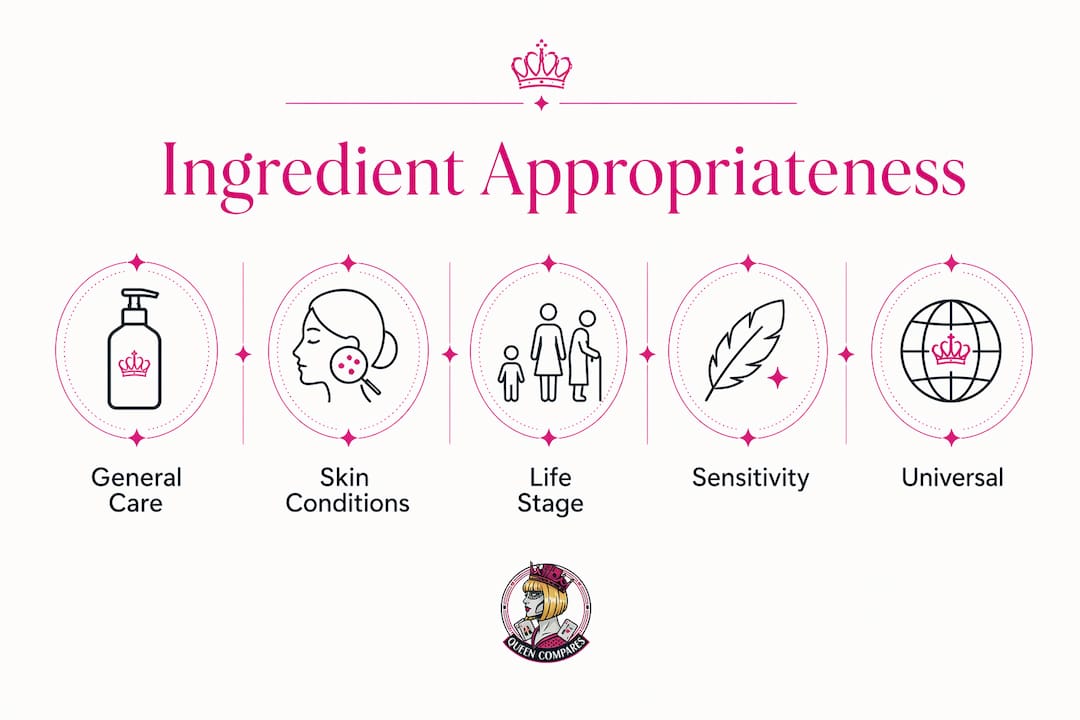
Clinical appropriateness is the concept of matching a specific ingredient to a specific skin scenario. It matters because the same ingredient that clears acne in one person can trigger irritation or hyperpigmentation in another.
A major expert panel evaluated 30 ingredients across 10 dermatologic scenarios and found that only 52.7% of pairings are clinically deemed appropriate. That means nearly half of all ingredient-to-scenario combinations carry uncertainty. This is not a small margin. It means that picking ingredients based on popularity alone carries real risk.
| Skin scenario | Appropriate ingredients | Caution required |
|---|---|---|
| General daily care | Broad-spectrum SPF, ceramides, niacinamide | Retinoids (start low) |
| Hyperpigmentation | Vitamin C, niacinamide, tinted SPF | Strong acids (risk of rebound) |
| Post-procedure recovery | Hyaluronic acid, ceramides, peptides | Retinoids, glycolic acid |
| Postpartum or breastfeeding | Gentle barrier agents, mineral SPF | Classical retinoids (contraindicated) |
| Darker skin tones | Niacinamide, azelaic acid, mineral SPF | Irritating acids (PIH risk) |
Life stage matters as much as skin type. Retinoids are often inappropriate postpartum or during breastfeeding, requiring safer alternatives like bakuchiol or gentle peptide serums. Similarly, retinoids and irritating acids should be avoided on treatment days or during active healing phases due to their irritation potential.
Pro Tip: If you are managing a specific skin condition, hyperpigmentation, rosacea, or post-procedure recovery, consult a dermatologist before adding any new active. The clinical uncertainty rate is too high to rely on general product marketing.
Hyaluronic acid and ceramides are the exception to the “it depends” rule. Expert panels rank them appropriate across all procedure categories and time points, making them the safest place to start any routine.
What delivery technologies are changing how ingredients work?
Ingredient delivery technology determines how deeply an active penetrates the skin and how fast it produces visible results. Traditional serums deposit actives on the surface. Newer delivery systems carry them into deeper skin layers where cellular activity actually occurs.
Plant-derived exosome technology represents the most significant recent shift. Exosomes are nanoscale vesicles, meaning they are small enough to pass through the skin barrier and deliver their payload directly to target cells. Clinical data shows that plant-derived exosomes reduce visible skin stress by 55% and increase renewal activity by 63% within 8 hours. Results at the visible level appear within 14 days with consistent home use.
This speed matters for two reasons. First, it shortens the feedback loop between starting a product and seeing whether it works. Second, it makes high-potency actives more accessible to people who previously found traditional formulas too irritating.
Key advantages of advanced delivery formats include:
-
Deeper penetration without increasing surface irritation
-
Faster visible results compared to standard topical application
-
Potential for lower active concentrations to achieve the same effect
-
Better compatibility with sensitive and reactive skin types
The tradeoff is cost and formulation complexity. Products using exosome or encapsulation technology tend to be priced higher. Checking the 2026 skincare trends shaping the market helps you separate genuine delivery innovation from marketing language.
How to evaluate and choose skincare products by ingredients
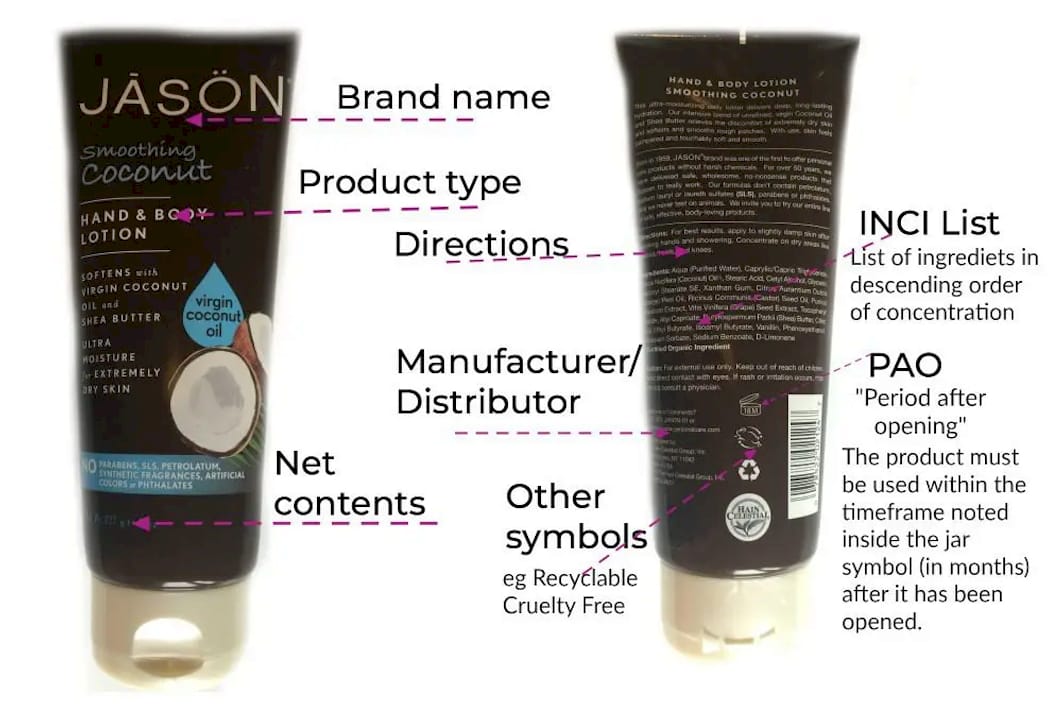
Reading a skincare ingredient list correctly is a skill. The INCI (International Nomenclature of Cosmetic Ingredients) system lists ingredients in descending order of concentration. What appears in the first five to seven positions makes up the bulk of the formula.
-
Identify the active ingredients. Look for clinically recognized names: retinol, niacinamide, ascorbic acid (vitamin C), glycolic acid, salicylic acid, zinc oxide. These are the ingredients with the strongest evidence base.
-
Check the concentration context. An ingredient listed tenth or lower is present in trace amounts. Trace amounts of an active rarely produce the results shown in clinical studies.
-
Assess barrier support. Every formula should include at least one barrier-repair ingredient: ceramides, hyaluronic acid, or squalane. Without barrier support, actives can cause net damage over time.
-
Match ingredients to your skin scenario. Use the clinical appropriateness framework. A product with high-strength glycolic acid is not appropriate for post-procedure skin or darker skin tones without professional guidance.
-
Separate daytime from nighttime use. Vitamin C and SPF belong in the morning. Retinoids and most exfoliants belong at night. Learning daytime vs. nighttime ingredient use prevents unnecessary photosensitivity and ingredient conflict.
Ingredient efficacy depends heavily on formulation quality and consistent use over time. A well-formulated product with proven actives outperforms a trendy formula with unsubstantiated botanicals every time. Experts caution against chasing “natural” additives that lack clinical backing when established actives with decades of evidence exist.
Pro Tip: Give any new active ingredient at least eight weeks of consistent use before judging its effectiveness. Skin cell turnover takes roughly 28 days, and most clinical studies measure results at the 12-week mark.
Understanding how to read ingredient labels is one of the highest-value skills you can build as a skincare consumer. It removes the guesswork and puts the decision back in your hands.
Which skincare ingredients do dermatologists recommend most?
Dermatologists consistently recommend a core group of actives with strong clinical evidence. These are the ingredients that appear across peer-reviewed studies, expert consensus panels, and long-term safety records.
-
Mineral sunscreens (zinc oxide, titanium dioxide): 96.8% of dermatologists endorse mineral sunscreens for anti-aging and skin clarity. They provide broad-spectrum protection without the irritation risk of some chemical filters.
-
Retinoids: The most clinically validated anti-aging ingredient available without a prescription. Retinoids address wrinkles, acne, dark spots, and excess oil production. They require a gradual introduction and are not appropriate for all life stages.
-
Vitamin C (ascorbic acid): A potent antioxidant that neutralizes free radical damage and brightens uneven tone. Stability is the key formulation challenge. Look for products with a pH below 3.5 and opaque packaging.
-
Niacinamide: Strengthens the skin barrier, reduces redness, and evens tone. It is one of the most well-tolerated actives across skin types, including sensitive and reactive skin.
-
Alpha-hydroxy acids (glycolic, lactic acid): Exfoliate the surface layer, improve texture, and support product absorption. Lactic acid is gentler and better suited to dry or sensitive skin.
-
Salicylic acid: A beta-hydroxy acid that penetrates oil-filled pores. It is the standard recommendation for acne-prone and congested skin.
-
Hyaluronic acid and ceramides: Non-negotiable for barrier repair and hydration. The role of antioxidants in skincare and barrier agents together forms the protective foundation every routine needs.
Each of these actives has a specific use case and concentration range. Matching the right ingredient to your skin type and condition is what separates a routine that works from one that causes setbacks.
Key Takeaways
Photoprotection and barrier repair are the non-negotiable foundations of any effective skincare routine, and every active ingredient layered on top must match your specific skin scenario, life stage, and formulation quality.
| Point | Details |
|---|---|
| Clinical appropriateness matters | Only 52.7% of ingredient-to-scenario pairings are clinically appropriate, so tailoring is essential. |
| Barrier and SPF come first | Ceramides, hyaluronic acid, and mineral sunscreens are appropriate for all skin types and phases. |
| Formulation quality drives results | Active ingredients only work when correctly formulated and used consistently over time. |
| Life stage changes ingredient safety | Retinoids are contraindicated postpartum and post-procedure; safer alternatives exist for these phases. |
| Delivery technology is advancing fast | Plant-derived exosomes show measurable renewal results within 8 hours, outpacing traditional topical formats. |
What I’ve learned from years of watching the skincare ingredient space
The most common mistake I see is treating a skincare ingredient list like a menu. People pick the trendiest items and layer them without any framework. The result is usually irritation, a compromised barrier, and a drawer full of expensive products that “didn’t work.”
What actually works is far less exciting than the marketing suggests. Retinoids, niacinamide, mineral SPF, and ceramides have decades of clinical evidence behind them. The newer ingredients, exosomes, peptide complexes, and plant adaptogens, are genuinely interesting. But they work best when the foundational layer is already in place. Skipping straight to the advanced actives is like painting over a cracked wall.
The clinical uncertainty data is the part most consumers never hear. Nearly half of all ingredient-to-scenario pairings carry real uncertainty. That number should make anyone pause before self-prescribing a high-strength acid or a retinoid at full concentration. It does not mean avoid actives. It means start low, go slow, and pay attention to how your skin responds over weeks, not days.
Technology is genuinely changing what’s possible. Exosome delivery systems are not hype. The clinical outcomes are measurable and reproducible. But they are a tool, not a replacement for the basics. I would always choose a well-formulated ceramide moisturizer over an exosome serum applied to a damaged barrier.
The most sustainable routines I have seen are also the simplest. SPF every morning. A barrier-repair moisturizer. One targeted active, introduced gradually, with enough time to actually assess results. That is not a glamorous formula, but it is the one that holds up across skin types, life stages, and decades.
— Magdalena Kapuscinska
QueenCompares makes ingredient research easier for you
Knowing which ingredients to look for is one thing. Finding products that actually contain them at effective concentrations is another challenge entirely.

QueenCompares gives you the tools to close that gap. The Ingredient Library breaks down hundreds of skincare actives with safety ratings, efficacy data, and suitability notes by skin type. The Ingredient Checker lets you paste any product’s ingredient list and get an instant analysis based on clinical standards. You can also browse products by ingredient profile to find formulas that match your specific skin needs. Our community reviews and m scan reports add another layer of real-world context that no ingredient list alone can provide. When you know what you are looking for, QueenCompares helps you find it faster.
FAQ
What are skincare ingredients?
Skincare ingredients are the active and supportive substances in a formula that determine its safety, efficacy, and suitability for a given skin type. They fall into categories including photoprotective agents, barrier-repair molecules, pigment modulators, and exfoliants.
Which skincare ingredients are safe for all skin types?
Ceramides, hyaluronic acid, and mineral sunscreens (zinc oxide, titanium dioxide) are ranked appropriate across all skin types and treatment phases by international expert panels. These form the safest foundation for any routine.
Are natural skincare components better than synthetic ones?
Clinical evidence does not support the idea that natural components are inherently safer or more effective than synthetic ones. Established actives like retinoids and niacinamide outperform most botanical alternatives in peer-reviewed studies, and formulation quality determines results more than ingredient origin.
How do I know if an active ingredient is right for my skin?
Match the ingredient to your specific skin scenario using the clinical appropriateness framework. Life stage, skin condition, and treatment phase all affect whether an active is safe and effective for you. When in doubt, consult a dermatologist before adding a new active.
What is the best order to apply skincare ingredients?
Apply water-based actives first, then moisturizers, then SPF in the morning. At night, use actives like retinoids after cleansing and before your barrier-repair moisturizer. The daytime vs. nighttime guide covers the full sequencing logic in detail.