Certain ester compounds, heavy oils and butters, lanolin derivatives, algae extracts, and thick waxes cause most product-related breakouts. Silicones and many lightweight oils are usually fine, even on acne-prone skin. Comedogenic ratings are a starting point, not a promise. Your skin can still react to a “safe” ingredient depending on the formula, so patch testing still matters.
TL;DR:
Heavy oils and butters like coconut oil and cocoa butter are highly comedogenic and pose a higher risk of clogging pores on facial skin, especially in leave-on products.
Isopropyl myristate, isopropyl palmitate, and myristyl myristate are among the most consistent ingredients linked to breakouts and should be checked carefully on labels.
Formulation factors such as emulsifier choice and ingredient interactions can significantly alter the real-world pore-clogging potential beyond the comedogenic ratings of raw ingredients.
Patch testing new products and logging skin reactions over several weeks is crucial, especially for leave-on facial products that stay in contact with skin longer.
Using tools like ingredient checkers can help identify high-risk compounds quickly, enabling more informed choices without extensive research.
Table of Contents
What Are the Most Common Pore-Clogging Ingredients?
Let’s get you the list you actually came here for. When you’re scanning a label, these are the names worth stopping on.
The heaviest hitters, the ones that show up again and again on comedogenic ingredients lists, are:
-
Isopropyl myristate (IPM) — found in lotions, sunscreens, and makeup removers; one of the most consistently flagged emollients.
-
Isopropyl palmitate — a texture-smoothing ester common in foundations and body lotions.
-
Myristyl myristate — a thickener in creams and stick products like lip balm and cream blush.
-
Isostearyl neopentanoate — used for a silky, non-greasy feel in primers and sunscreens.
-
Ethylhexyl palmitate — another palmitate-family ester that shows up in moisturizers and hair products.
Check our Ingredient Library for the ingredient above along with the brauty products that contain them.
Beyond that top tier, Healthline’s breakdown of noncomedogenic products groups the rest of the usual suspects into a few families you’ll want to recognize on sight:
Heavy oils and butters: coconut oil, cocoa butter, and wheat germ oil. These are rich and nourishing for body skin, but their fatty acid profile tends to sit heavy on the face.
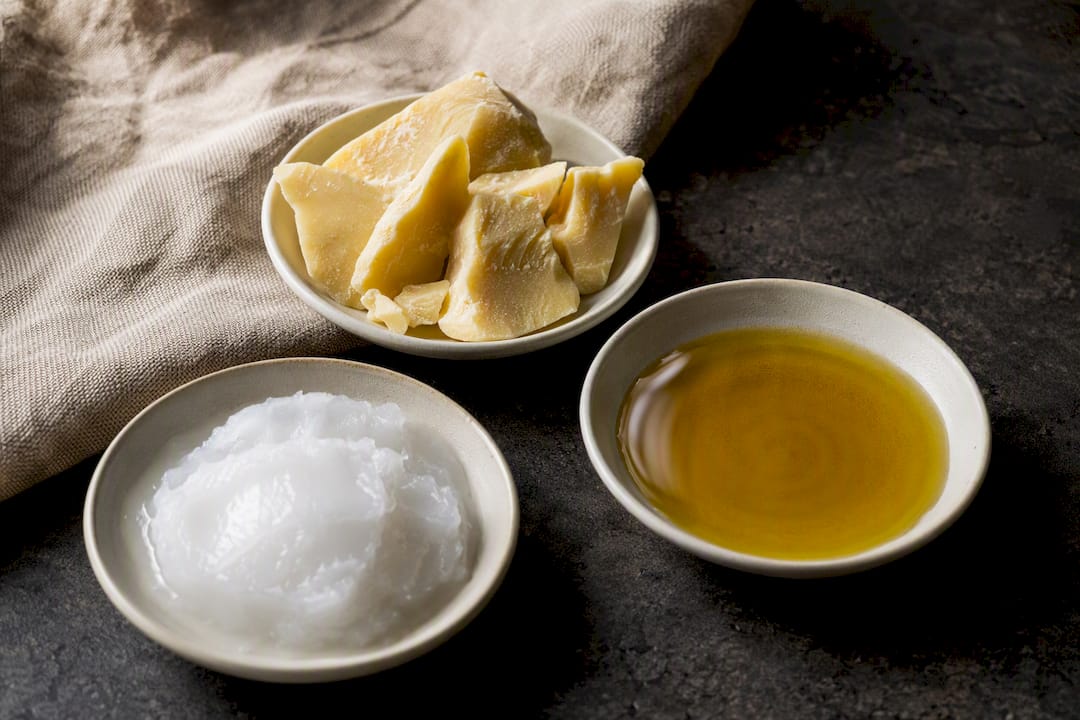
Lanolins and waxes: acetylated lanolin, lanolin acid, and some synthetic waxes used to give balms and sticks their structure.
Algae and seaweed extracts: popular in “clean” and marine-themed skincare lines, but several variants land on the higher end of the comedogenic ingredients list.
Problematic emulsifiers and surfactants: certain sodium lauryl sulfate blends and some polysorbates, which can also aggravate fungal acne in people prone to it.
You’ll run into these ingredients most often in leave-on face moisturizers, foundations, tinted sunscreens, and heavy overnight balms. Rinse-off products like cleansers carry far less risk since the ingredient barely touches your skin before washing away. A rich body butter loaded with cocoa butter is a non-issue on your arms. On your cheeks and forehead, it’s a different story.
How Do You Check an Ingredient List for Pore Cloggers?
You don’t need a chemistry degree to audit a product. You need five minutes and a system.
-
Find the full ingredient list. Check the product packaging first, then the brand’s website or the retailer’s product page if the print is too small to read. Most brands list the full INCI (International Nomenclature of Cosmetic Ingredients) breakdown online even when the box only shows a summary.
-
Copy the list into a checker. Paste the ingredients into an Ingredient Checker or similar tool rather than trying to cross-reference each name manually.
-
Read the order, not just the names. Ingredients are listed by concentration, highest to lowest. An oil sitting in the top five matters more than one buried near the preservatives at the bottom.
-
Watch for family markers. Suffixes like “palmitate,” “myristate,” and “stearate,” plus the word “lanolin,” are red flags worth a second look, even when the exact compound isn’t on your memorized list.
-
Patch-test anything new. Apply a small amount along your jawline or behind your ear for 2 to 4 weeks. If you notice new bumps, clogged texture, or breakouts localized to where you applied it, stop and reassess.
Pro Tip: Keep a simple note on your phone logging the date you started a new product and any changes in texture or breakouts. Skin reactions to comedogenic ingredients often take two to six weeks to show up, so memory alone won’t cut it.
For a deeper walk-through of decoding labels, our guide on reading skincare ingredient labels covers the naming conventions in more detail.
Which Ingredients Actually Help Prevent Clogged Pores?
Avoiding the bad stuff is half the job. The other half is choosing actives that actively work in your favor.
For oil control and exfoliation:
-
Salicylic acid (a BHA) — oil-soluble, so it gets into the follicle itself to break up buildup.
-
Benzoyl peroxide — targets acne-causing bacteria directly.
-
Adapalene — a topical retinoid that speeds up cell turnover so pores don’t clog in the first place.
-
AHAs like glycolic or lactic acid — better suited to surface texture and dullness than deep congestion.
WebMD’s overview of acne-safe ingredients also flags niacinamide, hyaluronic acid, and squalane as generally non-comedogenic and worth building a routine around. Sunflower seed oil, high in linoleic acid, is another one worth knowing. It behaves differently than heavier oleic-acid-rich oils like coconut oil and rarely causes problems.
When it comes to sunscreen and makeup, prioritize oil-free formulas with lightweight, non-greasy textures, and still check the fine print. A “non-comedogenic” label doesn’t guarantee anything, since the term isn’t regulated.
If your skin runs oily and acne-prone, lean into BHA and adapalene. If you’re dry and breakout-prone at the same time, a barrier-repair moisturizer paired with a gentler active usually works better than aggressive exfoliation. Curious which acid fits your situation? Our BHA versus AHA breakdown walks through the decision.
Why Doesn’t the Comedogenic Scale Guarantee Clear Skin?
The comedogenic scale traces back to older animal-based assays, often using rabbit ears, to measure how much an ingredient clogs follicles in a controlled test. That testing never standardized concentration or how an ingredient behaves once it’s blended into a finished formula. Byrdie’s interviews with dermatologists make the same point: a rating tells you about the raw ingredient, not the bottle on the shelf.
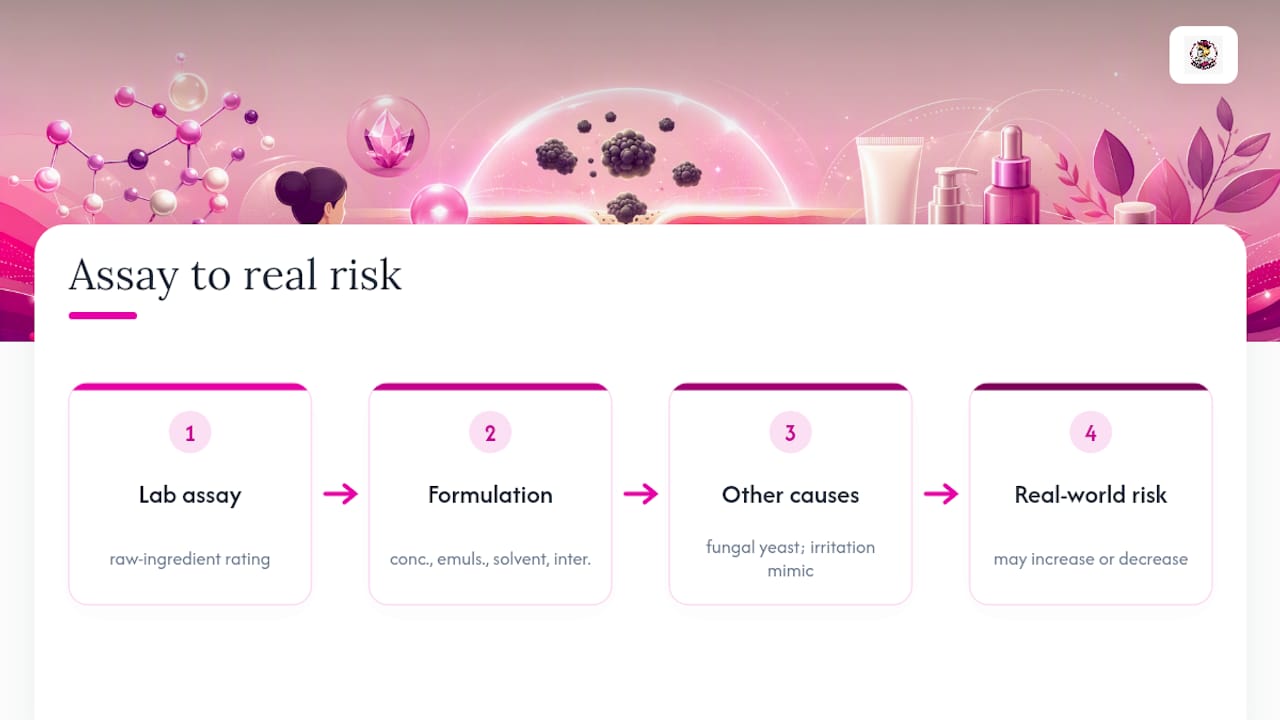
Formulation changes everything. Emulsifiers, solvent choice, and how ingredients interact with each other can all shift the real-world risk up or down.
Not every breakout is even comedogenic in origin. Malassezia-driven folliculitis, commonly called fungal acne, produces small, uniform, itchy bumps and gets worse with certain esters and polysorbates that feed yeast rather than clog pores. Irritation from a harsh actives can also mimic congestion. If breakouts persist after you’ve cleaned up your routine, a dermatologist can tell you which mechanism you’re actually dealing with.
What I’d Do First If I Were You
Start with your leave-on facial products, the moisturizer, sunscreen, and foundation you wear all day. Those carry more risk than anything you rinse off in thirty seconds. Pull the ingredient list on each one, run it through a checker, and swap out one suspect product at a time so you can actually tell what’s working.
Log your skin’s reaction for a few weeks before you judge anything. QueenCompares’ Ingredient Library is a solid place to double-check anything unfamiliar.
Scan Ingredient Lists Faster With QueenCompares
Reading INCI names off a tiny bottle in a drugstore aisle gets old fast. QueenCompares built its Ingredient Checker to do that squinting for you, flagging high-risk names like isopropyl myristate or acetylated lanolin the moment you paste in a product’s ingredient list.

The tool normalizes ingredient names, so you’re not stuck guessing whether “octyl palmitate” and “ethylhexyl palmitate” are the same thing (they are). Every scan you run can be saved, so you can compare products side by side instead of relying on memory or a screenshot folder. Pair it with the Ingredient Library when you want the full background on a specific compound, including what it’s derived from and where it typically shows up.
Next time you’re eyeing a new moisturizer or foundation, run the label through the checker before it lands in your cart. It takes less time than reading a single online review, and you’ll walk away actually knowing what you’re putting on your face.
Sources
-
Noncomedogenic: What it means, ingredients, and products — Healthline
-
Comedogenic vs. non-comedogenic: Derms explain the difference — Byrdie
FAQ
What Are the Most Common Pore-Clogging Ingredients?
Isopropyl myristate, isopropyl palmitate, coconut oil, cocoa butter, and acetylated lanolin top most comedogenic ingredients lists, along with several algae extracts and heavy waxes used in balms and foundations.
What Ingredient Is Most Likely to Clog Pores?
Isopropyl myristate is flagged more consistently than almost any other single ingredient, showing up in lotions, makeup removers, and sunscreens as a texture-smoothing agent.
What Is the Best Ingredient to Unclog Pores?
Salicylic acid is the most widely recommended active for unclogging pores because it’s oil-soluble and can penetrate the follicle to break up existing buildup, with adapalene and benzoyl peroxide as strong complements.
What Are the Worst Ingredients for People With Clogged Pores?
Beyond the top offenders, isostearyl neopentanoate, myristyl myristate, and several lanolin derivatives rank among the worst for acne-prone skin, particularly in leave-on products worn all day.
Is Shea Butter Comedogenic?
Shea butter is generally considered to have a low to moderate risk of clogging pores, less likely than coconut oil. However, individual skin reactions vary, so patch testing is recommended for acne-prone skin.