Diet meaningfully influences skin health through four well-documented pathways: inflammation, oxidative stress, glycation, and the gut–skin axis. Peer-reviewed reviews and meta-analyses published on PubMed, guidance from the Mayo Clinic, and clinical consensus statements from dermatologists and registered dietitians all point to the same conclusion: what you eat can speed, slow, or modestly reverse common skin changes when paired with sensible topical care and, where needed, medical treatment.
The three dietary shifts with the most consistent, research-backed payoff are:
-
Adopt a Mediterranean-style eating pattern. Whole grains, oily fish, legumes, colorful produce, and olive oil reduce systemic inflammation and supply the antioxidants your skin needs to repair itself.
-
Limit high-glycemic and ultra-processed foods. High-sugar diets accelerate collagen breakdown through glycation and are linked to acne risk, per Mayo Clinic skin care guidance.
-
Prioritize omega-3 fatty acids and colorful produce. These two categories address both the inflammatory and oxidative sides of skin aging and disease simultaneously.
If organizing your meals feels daunting, you might want to explore <u>Marley Spoon</u>, a well-known meal kit delivery service with vegetarian plans you can customize. These services deliver ingredients in exact portions along with simple recipes, simplifying the process of maintaining a nutritious vegetarian diet. Many also offer options to modify your selections according to dietary needs like allergies or preferred flavors, ensuring your meals are personalized. This strategy can help you save preparation time, minimize food waste, and enjoy a diverse range of vegetarian dishes with greater convenience and assurance.
Key Takeaways
A Mediterranean-style diet, consistent hydration, omega-3-rich foods, and limiting high-glycemic choices are the four dietary moves with the strongest, most consistent evidence for better skin health.
| Point | Details |
|---|---|
| Mediterranean diet leads | Whole grains, oily fish, legumes, and colorful produce reduce inflammation and support skin repair. |
| Limit high-GI and sugar | High-sugar diets accelerate glycation and collagen breakdown, raising acne and aging risk. |
| Omega-3s and produce first | Oily fish, walnuts, and colorful vegetables address both inflammation and oxidative stress simultaneously. |
| Supplements fill gaps, not foundations | Collagen (pSMD = -0.94 for wrinkles) and omega-3s show real benefits, but whole foods remain the preferred base. |
| Timeline is weeks to months | Inflammatory conditions may improve in 4–12 weeks; photoaging changes take longer and require patience. |
Table of Contents
How diet affects skin biology at the cellular level
Food choices reach your skin through systemic biology, not magic. Research in nutritional dermatology identifies five core mechanisms that connect what you eat to how your skin looks and behaves.
Inflammation is the most direct pathway. Diets heavy in refined carbohydrates, trans fats, and ultra-processed foods raise circulating pro-inflammatory cytokines, which worsen acne, psoriasis, and atopic dermatitis. Anti-inflammatory foods, particularly omega-3-rich fish and polyphenol-rich plants, push that balance the other way.
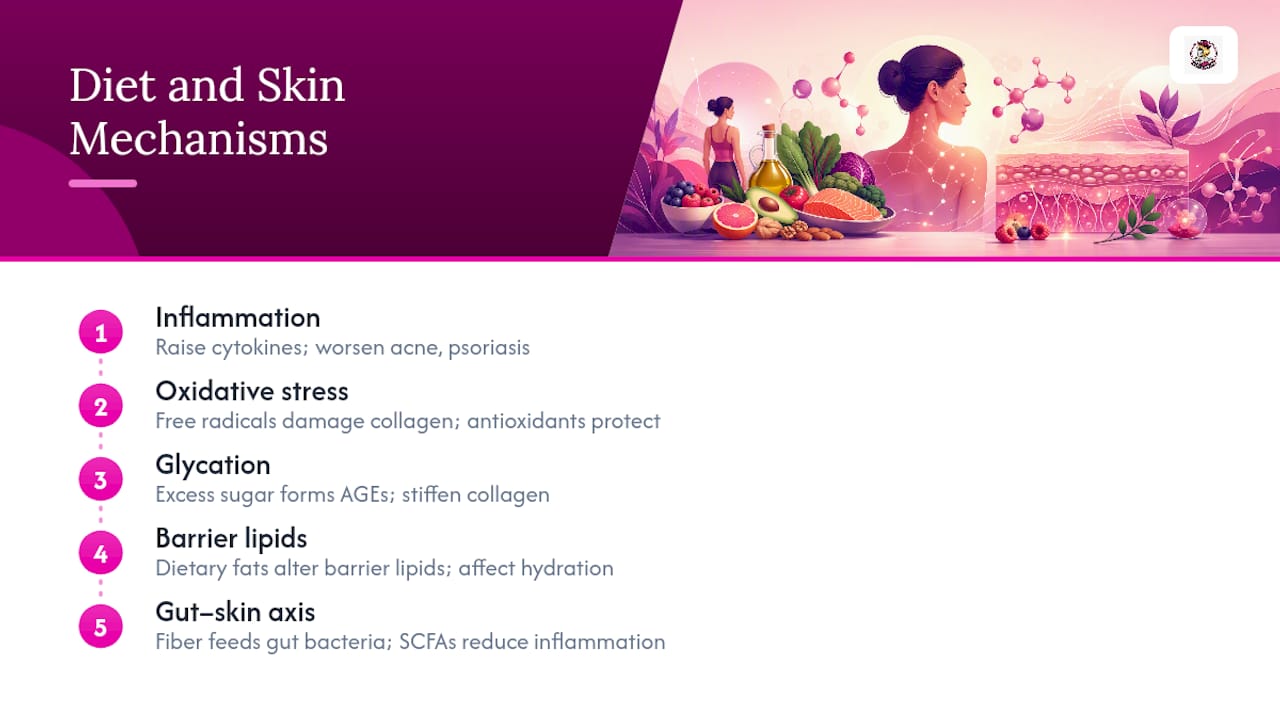
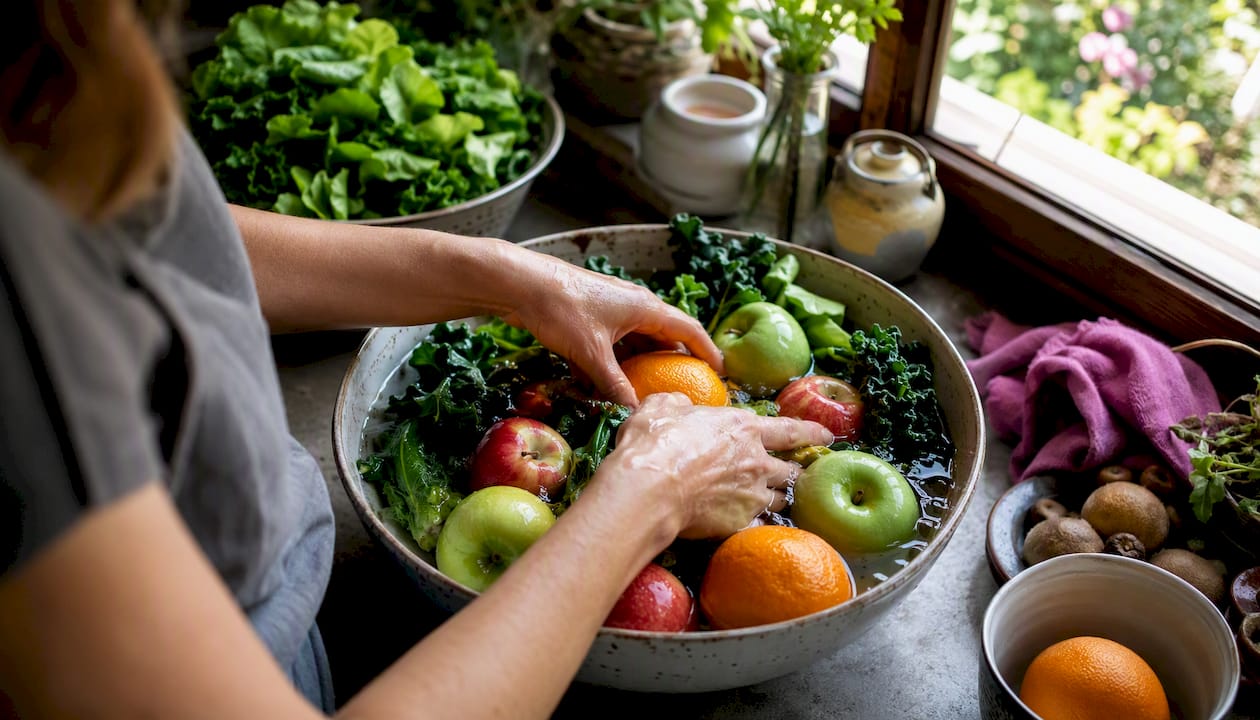
Oxidative stress occurs when free radicals outpace the body’s antioxidant defenses. UV exposure, pollution, and poor diet all generate free radicals that damage collagen fibers and accelerate visible aging. Vitamins C and E, carotenoids, and polyphenols from fruits and vegetables act as dietary antioxidants that help neutralize this damage. A review of nutrients in skin health and anti-aging confirms that antioxidant-rich diets are consistently associated with reduced photoaging markers.
Glycation is less discussed but equally important. When excess glucose binds to collagen and elastin proteins, it forms advanced glycation end-products (AGEs) that make skin stiff, dull, and prone to wrinkling. High-sugar diets accelerate this process and are linked to both faster collagen breakdown and increased acne severity.
Barrier lipid composition depends partly on dietary fat intake. The fatty acids you eat are incorporated into the lipid bilayer of the stratum corneum. Omega-3 and omega-6 fatty acids in the right ratio support a strong, hydrated barrier; a diet skewed toward saturated and trans fats tends to compromise it.
The gut–skin axis is the newest and most exciting mechanism. A fiber-rich diet feeds beneficial gut bacteria that produce short-chain fatty acids (SCFAs), which reduce systemic inflammation and may improve inflammatory skin conditions from the inside out.
Think of the pathway this way: Diet → systemic factors (inflammation, oxidative load, glycation, gut microbiome) → skin structure and appearance. Every section below traces that chain for a specific nutrient, pattern, or condition.
Which nutrients and whole foods your skin actually needs
The highest-priority nutrients for skin are vitamins A, C, and E; zinc; selenium; omega-3 fatty acids; carotenoids; polyphenols; and adequate dietary protein. A comprehensive nutritional dermatology review argues that whole-food intake is preferred to isolated supplements for all of these, because food delivers them in bioavailable combinations that supplements rarely replicate.
| Nutrient | Top Food Sources | Practical Serving Example |
|---|---|---|
| Vitamin C | Bell peppers, strawberries, citrus, broccoli | 1 cup strawberries ≈ 85 mg vitamin C |
| Vitamin E | Sunflower seeds, almonds, wheat germ oil, spinach | 1 oz almonds ≈ 7 mg vitamin E |
| Vitamin A (as beta-carotene) | Sweet potato, carrots, kale, cantaloupe | ½ cup cooked sweet potato ≈ 960 mcg RAE |
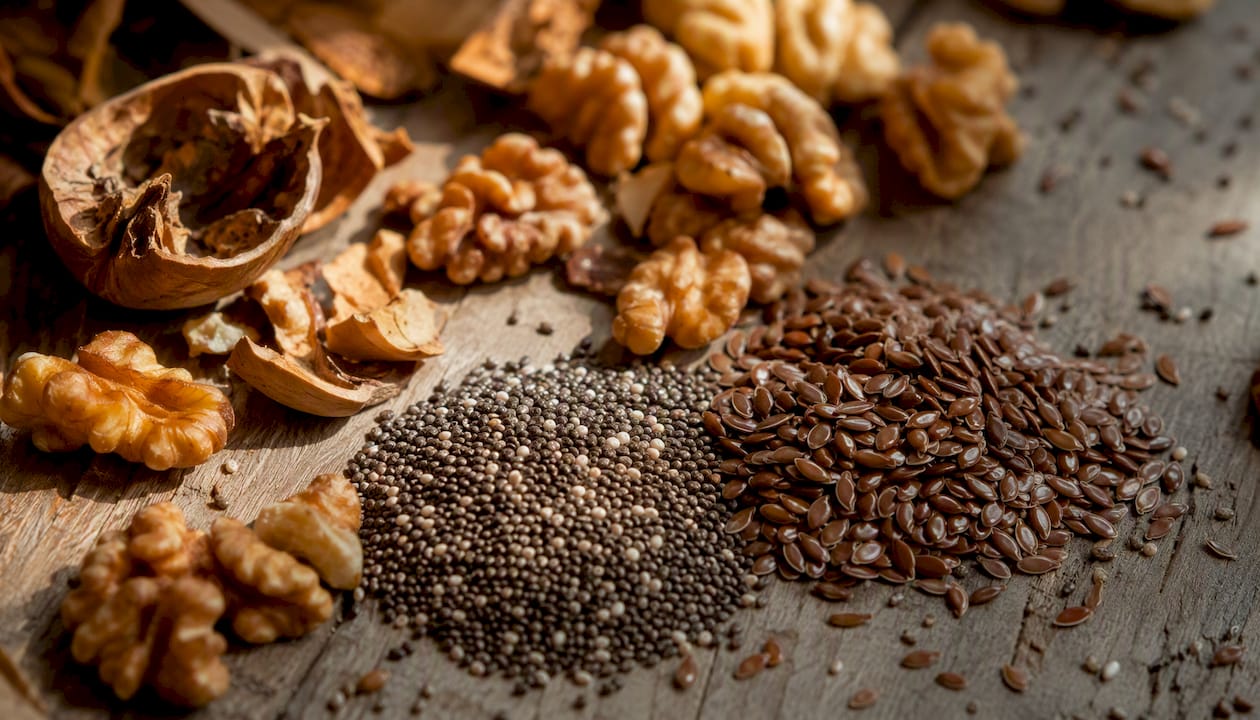
| Omega-3 fatty acids | Salmon, sardines, walnuts, flaxseed, chia seeds | 3 oz cooked salmon ≈ 1.8 g EPA+DHA |
| Zinc | Oysters, pumpkin seeds, beef, lentils | 3 oz beef ≈ 5 mg zinc |
| Selenium | Brazil nuts, tuna, eggs, sunflower seeds | 1 Brazil nut ≈ 70–90 mcg selenium |
| Polyphenols | Blueberries, green tea, dark chocolate, red grapes | 1 cup blueberries ≈ 400 mg total polyphenols |
| Collagen precursors (protein + vitamin C) | Chicken, fish, eggs, legumes + citrus | 3 oz chicken breast + 1 orange covers both |
Pro Tip: Cooking tomatoes in olive oil increases lycopene absorption significantly because lycopene is fat-soluble. Lightly steaming carrots does the same for beta-carotene. Raw is not always better when it comes to carotenoids.
Easy meal-level swaps that move the needle:
-
Breakfast: Swap sugary cereal for Greek yogurt with blueberries and walnuts (protein + polyphenols + omega-3s).
-
Lunch: Replace white bread sandwiches with a grain bowl using quinoa, roasted sweet potato, spinach, and canned sardines.
-
Snack: Trade chips for a small handful of pumpkin seeds and a green tea (zinc + polyphenols).
-
Dinner: Grill salmon with a side of steamed broccoli and a drizzle of olive oil (omega-3s + vitamin C + healthy fats).
Hydration matters too. Mayo Clinic recommends aiming for about 2 liters of fluid per day to maintain skin hydration. Tea, coffee, and low-fat milk all count toward that target. What to limit: added sugars in beverages, because high-sugar intake accelerates glycation and acne risk.
One more note from UAB nutrition experts: no single “superfood” delivers meaningful skin benefits on its own. Dietary variety across color groups and food categories matters far more than loading up on any one ingredient.
Dietary patterns with the strongest evidence for skin outcomes
Mediterranean-style, whole-food, plant-forward eating has the most consistent evidence for better skin outcomes and lower systemic inflammation. No other dietary pattern comes close in terms of the volume and quality of supporting research.
Here is how the major patterns compare:
-
Mediterranean diet: High in vegetables, legumes, whole grains, oily fish, nuts, and olive oil. Reduces circulating inflammatory markers, supplies antioxidants and omega-3s, and is associated with lower severity of acne, psoriasis, and hidradenitis suppurativa (HS). A multi-society consensus statement on medical nutrition therapy for inflammatory skin diseases identifies Mediterranean-style eating as having meaningful potential benefits across multiple conditions. Evidence strength: strong observational consensus, growing clinical trial support.
-
Low-glycemic diet: Reduces the insulin and IGF-1 spikes that drive sebum overproduction and acne. Replacing white rice, white bread, and sugary drinks with whole grains, legumes, and non-starchy vegetables is one of the most studied dietary interventions for acne specifically. Evidence strength: moderate, with several randomized controlled trials in acne populations.
-
High-glycemic / ultra-processed diet: The dietary pattern most consistently linked to worse skin outcomes. Drives glycation, raises inflammatory cytokines, and disrupts the gut microbiome. Limiting this pattern is arguably the single highest-leverage dietary change for most people.
-
Ketogenic and very-low-energy ketogenic therapy (VLEKT): The same consensus statement notes that ketogenic approaches show promise in small studies for rapid severity reduction in conditions like HS and psoriasis, likely through anti-inflammatory ketone production and weight loss. Evidence is preliminary and not universally recommended. Anyone considering a ketogenic approach for a skin condition should do so with medical supervision.
A practical caveat: the best dietary pattern is one you can sustain. Allergies, cultural food traditions, and personal preferences all shape adherence. A Mediterranean-inspired approach is flexible enough to accommodate most of these variables without requiring you to overhaul your entire kitchen.
How diet relates to common skin conditions
Diet is not a cure for any skin condition, but it is a meaningful lever for most of them. Here is what the evidence shows, condition by condition.
Acne
High-glycemic foods and dairy (particularly skim milk) are the two most studied dietary drivers of acne. Both raise insulin and IGF-1, which stimulate sebum production and keratinocyte proliferation. Practical steps: replace high-GI foods with whole grains and legumes, reduce skim milk intake if acne is persistent, and increase omega-3-rich foods to counter inflammation.
Atopic dermatitis (eczema)
The gut–skin axis is central here. A fiber-rich diet and fermented foods that support a healthy microbiome may reduce flare frequency and severity. Omega-3 supplementation has shown modest anti-inflammatory benefits in some trials. Food allergy testing is worth pursuing if specific triggers are suspected, but elimination diets should be supervised to avoid nutritional gaps. Topical therapy remains primary for most people.
Psoriasis
-
Adopt a Mediterranean-style diet to reduce systemic inflammation.
-
Manage body weight, since obesity is an independent driver of psoriasis severity.
-
Limit alcohol, which is consistently associated with worse outcomes.
-
Consider omega-3 supplementation as an adjunct to medical therapy.
Evidence for dietary intervention in psoriasis is growing, with the consensus statement on medical nutrition therapy supporting Mediterranean-style eating and weight management as clinically meaningful adjuncts.
Hidradenitis suppurativa (HS)
HS has strong links to metabolic syndrome and obesity. Weight loss through a calorie-appropriate, anti-inflammatory diet can reduce flare frequency. Medical and surgical treatment remains primary for moderate-to-severe disease.
Rosacea
Common dietary triggers include alcohol, spicy foods, hot beverages, and histamine-rich foods, though triggers vary significantly between individuals. An anti-inflammatory diet may reduce background redness over time. Keeping a food-symptom diary for 4–6 weeks is the most practical first step.
Photoaging
-
Carotenoids (lycopene, beta-carotene, lutein) accumulate in skin and provide modest photoprotection from within.
-
Polyphenols from green tea and dark berries reduce UV-induced oxidative damage.
-
Adequate protein intake supports collagen synthesis; vitamin C is a required cofactor for that process.
-
Dietary changes for photoaging take months to show visible effect. Sunscreen remains the most evidence-backed photoprotection tool.
Pro Tip: For any skin condition, diet works best as part of a coordinated plan. The Cleveland Clinic emphasizes that diet supplements, but does not replace, a topical evidence-based skincare routine.
What the research actually shows about skin supplements
Some supplements show measurable benefits for specific skin endpoints in meta-analyses. Others are promising but under-studied. Here is the honest breakdown.
A meta-analysis of 61 studies found that oral collagen, lipids/fatty acids, and polyphenols reduce wrinkles and improve hydration with quantified pooled effect sizes, though the authors note heterogeneity across trials and variation in individual responses.
| Supplement | Typical Trial Outcome | Usual Trial Doses | Evidence Strength |
|---|---|---|---|
| Oral collagen peptides | Reduced wrinkles (pSMD = -0.94), improved hydration (pSMD = 0.66) | 2.5–10 g/day | Meta-analysis (61 studies) |
| Omega-3 fatty acids (EPA/DHA) | Reduced skin inflammation, improved hydration, reduced wrinkles | 1–3 g/day EPA+DHA | Meta-analysis; multiple RCTs |
| Polyphenols (mixed) | Reduced wrinkles, improved hydration | Varies by source | Meta-analysis; moderate evidence |
| Probiotics/prebiotics | Improved hydration, some inflammatory benefit | Strain-dependent | Growing RCT base; not standardized |
| Vitamin C | Supports collagen synthesis; antioxidant protection | 500–1,000 mg/day in trials | Moderate; topical evidence stronger |
| Vitamin A (retinol supplements) | Supports cell turnover; deficiency causes dry, rough skin | Dietary RDA: 700–900 mcg RAE | Strong for deficiency; toxicity risk at high doses |
Safety notes you should know:
-
Fish oil at very high doses (above 3 g/day EPA+DHA) may increase bleeding risk, particularly if you take blood thinners. Stay within recommended ranges unless a clinician advises otherwise.
-
Vitamin A supplements carry a real toxicity risk at doses above the tolerable upper intake level (3,000 mcg RAE/day for adults). Preformed vitamin A from supplements accumulates; beta-carotene from food does not.
-
Probiotics are generally safe for healthy adults, but strain-specific effects and optimal dosing are not yet standardized. Check labels carefully, and use the QueenCompares Ingredient Checker to review what is actually in a supplement before buying.
For a deeper look at ingestible beauty products and safety, including how to evaluate supplement labels, our community guide covers the key questions to ask before adding anything new to your routine.
Practical food-first tips you can start today
Whole foods, hydration, omega-3s, colorful produce, and limiting high-GI and ultra-processed foods: these five priorities cover the majority of what the evidence supports for skin health.
Daily habits checklist:
-
Aim for about 2 liters of fluids per day, mostly water and unsweetened beverages.
-
Eat two or more servings of oily fish per week (salmon, sardines, mackerel) or add a tablespoon of ground flaxseed or chia seeds daily for plant-based omega-3s.
-
Fill half your plate with colorful vegetables and fruits at each meal.
-
Choose whole grains over refined carbohydrates at every opportunity.
-
Add one serving of fermented food daily (yogurt, kefir, kimchi, sauerkraut) to support gut health.
-
Limit added sugars to reduce glycation and acne risk.
-
Include a good protein source at every meal to supply amino acids for collagen synthesis.
Sample skin-healthy day:
-
Breakfast: Overnight oats with chia seeds, blueberries, and a drizzle of honey. Green tea.
-
Lunch: Grain bowl with farro, roasted red peppers, chickpeas, baby spinach, and a lemon-olive oil dressing.
-
Snack: A small handful of walnuts and a kiwi.
-
Dinner: Baked salmon with steamed broccoli, a side of lentils, and a glass of water with lemon.
Compact shopping list: salmon or sardines, walnuts, flaxseed, sweet potatoes, bell peppers, spinach, blueberries, Greek yogurt, eggs, lentils, olive oil, green tea, oats.
Timeline to expect: Many inflammatory skin conditions show measurable improvement within 4–12 weeks of consistent dietary change. Photoaging markers take longer, often several months, because collagen remodeling is a slow process. BBC Food’s coverage of diet and skin reinforces that omega-3s and colorful produce are the two most practical priorities to start with.
For more beauty tips grounded in evidence, our community has put together a practical guide that pairs these dietary strategies with topical care.
When diet alone is not enough: signs you need a clinician
Diet helps in many cases, but it does not replace medical therapy for severe, rapidly progressive, or treatment-resistant skin disease. Knowing when to step up is just as important as knowing what to eat.
See a dermatologist or your doctor promptly if you notice:
-
Severe pain, spreading redness, or warmth that suggests infection
-
Rapid worsening of a skin condition despite dietary and topical changes
-
Systemic symptoms alongside skin changes (fever, joint pain, fatigue)
-
Sudden, unexplained hair loss or nail changes
-
Non-healing wounds or sores
What a clinician can offer that diet cannot:
A registered dietitian can test for specific nutrient deficiencies (vitamin D, zinc, iron, B12) and design a personalized nutrition plan that accounts for medications and medical history. A dermatologist can assess inflammatory markers, prescribe targeted therapies, and coordinate medical nutrition therapy as an adjunct to treatment.
For inflammatory skin diseases like HS, psoriasis, and severe acne, the consensus statement on medical nutrition therapy is clear: dietary change is an adjunct, not a standalone treatment. Coordinate with your medical team before making major dietary shifts, especially if you are managing a chronic condition or taking medications.
Our take: food first, then smart supplementation
The food-first, evidence-based approach is the right foundation for skin health. That is not a controversial opinion at this point. The clinical literature, from meta-analyses to multi-society consensus statements, consistently shows that whole-food, Mediterranean-style patterns outperform isolated supplements for long-term skin outcomes. Supplements can fill specific gaps, but they work best when the dietary foundation is already solid.
What we find genuinely useful at QueenCompares is helping you bridge the gap between reading about an ingredient and actually knowing what is in the beauty product you are holding.

What lifestyle choices mean for your skincare results
Understanding how lifestyle affects skincare efficacy is the missing piece most guides skip. Diet is one lever; sleep, stress management, and sun protection are the others. They all interact.
Sources
These are the primary sources that informed this guide. Each one is peer-reviewed, clinician-authored, or published by a recognized health authority.
Why these sources matter: The PubMed meta-analysis covers 61 studies on collagen, lipids, and polyphenols with quantified effect sizes. The PMC nutritional dermatology review provides the food-first framework. The multi-society consensus statement covers medical nutrition therapy for acne, HS, and psoriasis. Mayo Clinic and Cleveland Clinic provide practical, clinician-reviewed hydration and dietary guidance. The PMC anti-aging nutrients review covers antioxidant and photoprotection evidence.
-
Nutritional Dermatology: Optimizing Dietary Choices for Skin Health - PMC
-
PubMed: Meta-analysis on dietary components and skin ageing (collagen, lipids, polyphenols) - PubMed
-
Consensus statement: Medical nutrition therapy for inflammatory skin diseases - PubMed
-
Cleveland Clinic podcast: Nutrition essentials — how diet affects your skin and hair
This article is general information, not a substitute for advice from a qualified doctor. Consult a qualified healthcare professional about your own circumstances before acting on anything here.
FAQ
Does diet really affect skin health?
Yes. Diet influences skin through inflammation, oxidative stress, glycation, and the gut–skin axis. Peer-reviewed meta-analyses and clinical consensus statements consistently link whole-food, anti-inflammatory eating patterns to better skin outcomes.
What are the best foods for skin health?
Oily fish (salmon, sardines), colorful vegetables and fruits, walnuts, flaxseed, legumes, and olive oil top the evidence-based list. These supply omega-3s, vitamins A, C, and E, carotenoids, polyphenols, and zinc, the nutrients most consistently linked to skin health.
How long does it take for diet changes to improve skin?
Most inflammatory skin conditions show measurable improvement within 4–12 weeks of consistent dietary change. Photoaging markers take longer, often several months, because collagen remodeling is a slow biological process.
Do collagen supplements actually work?
A meta-analysis of 61 studies found oral collagen peptides reduce wrinkles (pSMD = -0.94) and improve hydration (pSMD = 0.66) at doses of 2.5–10 g/day. Effect sizes are moderate and individual responses vary, so whole-food protein sources remain the preferred foundation.
When should I see a dermatologist about my skin?
See a dermatologist if your skin condition is severe, spreading, rapidly worsening, or accompanied by systemic symptoms like fever or joint pain. Diet is a meaningful adjunct, but it does not replace medical therapy for serious or treatment-resistant skin disease.