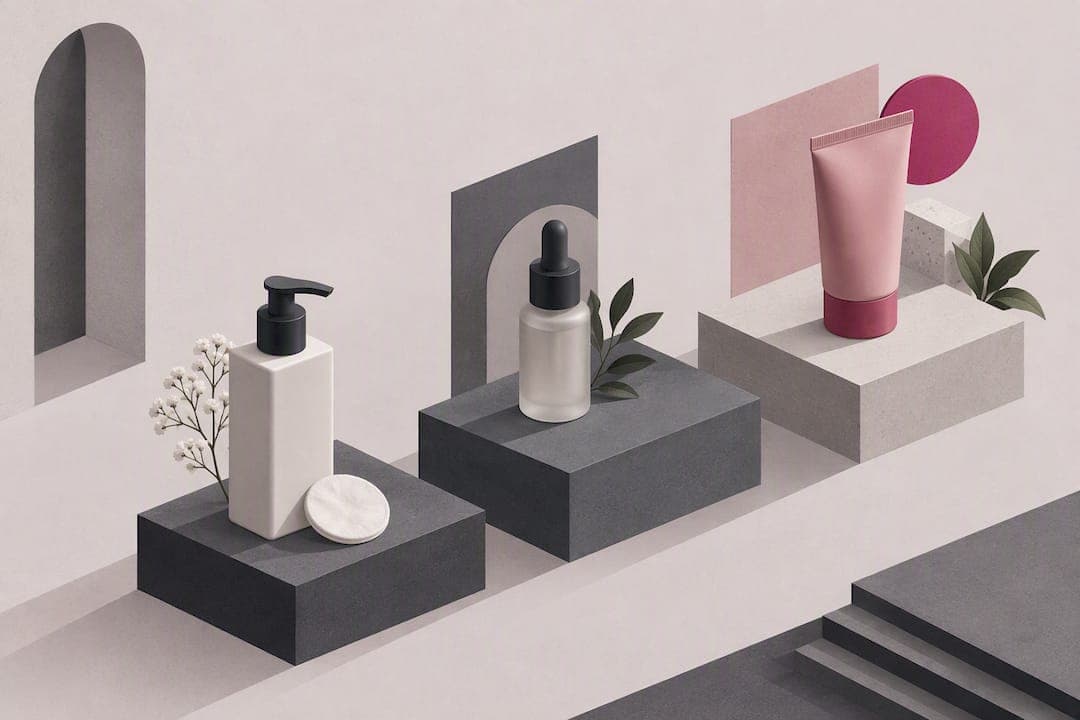
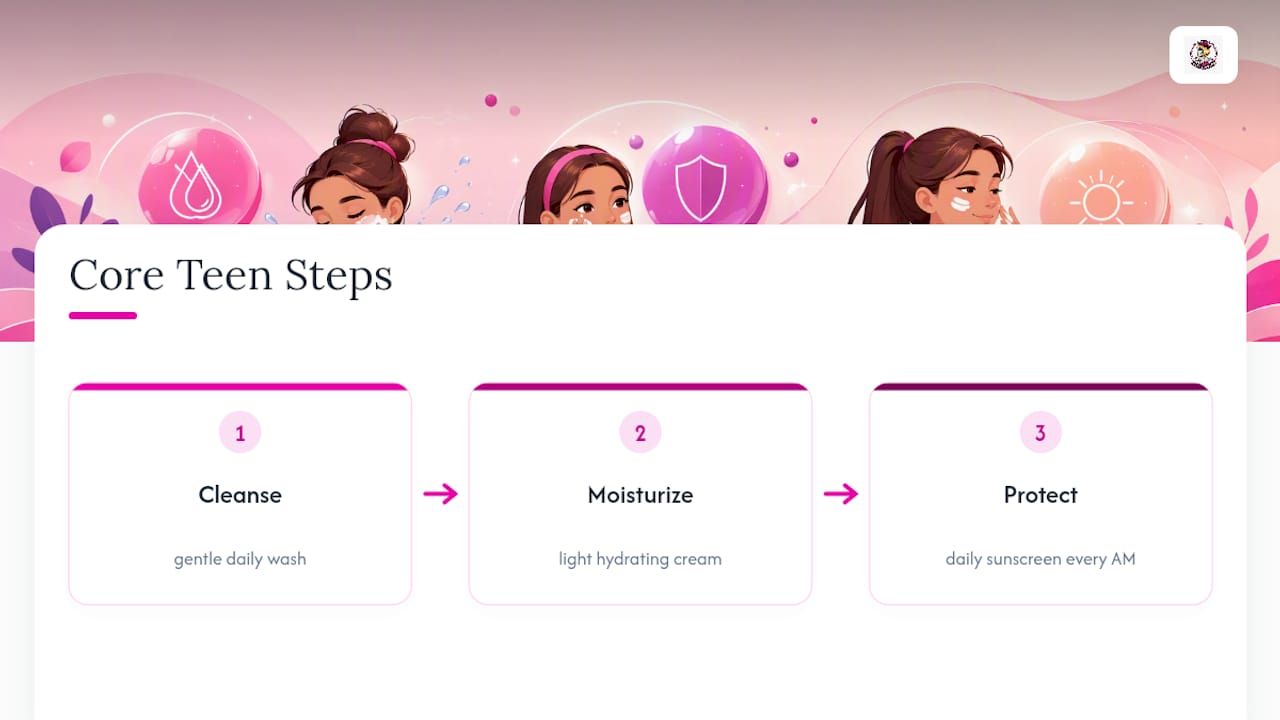
The essential teen skincare routine comes down to three steps: a gentle cleanser, a lightweight moisturizer, and broad-spectrum SPF 30+ sunscreen every single morning. Consistency beats complexity every time, and skipping the ten-step trends is not just okay, it is what dermatologists actually recommend. If breakouts stick around or start scarring, that is your cue to loop in a dermatologist.
TL;DR:
A gentle cleanser, noncomedogenic moisturizer, and broad-spectrum SPF 30+ sunscreen are enough for most teens, with minimal product layering.
Applying sunscreen every morning, reapplying during outdoor activities, and avoiding over-washing prevent irritation and protect skin long term.
Night cleansing should be gentle, with double cleansing for heavy makeup or sweat, and treatments like benzoyl peroxide are best applied at night in moderation.
Teen skin benefits from safe ingredients such as ceramides, niacinamide, and hyaluronic acid, while avoiding potent retinoids and heavily fragranced products.
Consistent skincare habits, including no makeup at night and regular pillowcase and phone cleaning, are crucial for preventing breakouts and maintaining skin health.
Table of Contents
-
Who’s Behind This Guide, and How Can You Verify Product Claims?
-
Let QueenCompares Help You Choose Teen-Safe Products With Confidence
What Should a Teen Skincare Routine Actually Include?
Your foundation is small on purpose. A gentle cleanser washes away sweat, oil, and dirt without scrubbing away your skin’s natural barrier. Skip anything with beads, gritty exfoliants, or a “squeaky clean” feeling. If your face feels tight after washing, that is a sign the cleanser is too harsh, not a sign it worked well.
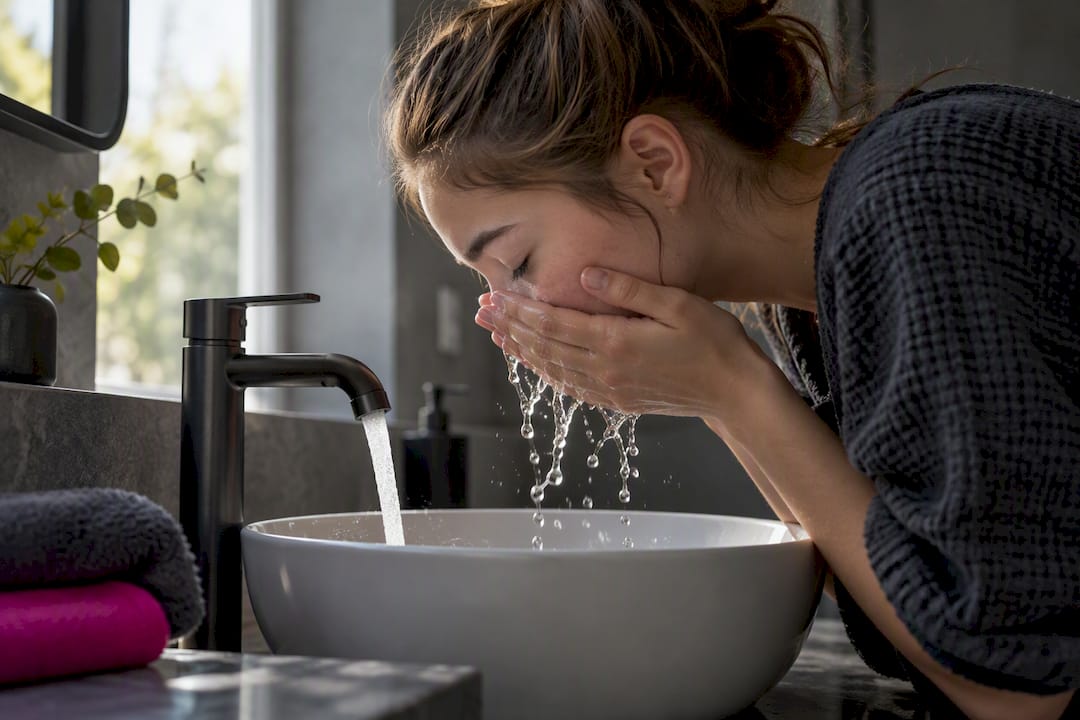
Next comes moisturizer, and yes, oily skin needs it too. Skipping moisturizer when you have oily or acne-prone skin can backfire, since dehydrated skin often overproduces oil to compensate. Look for the word “noncomedogenic” on the label, meaning it is formulated not to clog pores.
Then there is sunscreen, the step teens skip most and need most. Washing your face twice daily alone, can reduce acne risk by roughly 20 to 30 percent, but sun protection is what protects the skin you are building for the next 50 years.
-
Cleanser: use once or twice daily, morning and night
-
Moisturizer: apply right after cleansing, while skin is still damp
-
Sunscreen: SPF 30 or higher, broad-spectrum, every morning without exception
Pro Tip: If you are shopping for products, check formulas before buying with a tool like the Ingredient Library so you know exactly what “noncomedogenic” or “fragrance-free” actually means on that specific label.
What Does a Good Morning Skincare Routine Look Like?
Mornings move fast, so your routine should take less than five minutes. Here is the order that actually works, based on how products absorb into skin:
-
Rinse or cleanse with a gentle, lukewarm water wash. If your skin is not oily overnight, water alone can be enough.
-
Apply any prescribed morning treatment first, while skin is clean and dry, following your dermatologist’s exact instructions.
-
Moisturize using a light, water-based formula that will not feel heavy under makeup or a face covering during sports.
-
Apply sunscreen as the last step, using a nickel-sized amount for your face, and let it set for a few minutes before touching your skin.
If you play sports or spend time outdoors, reapply sunscreen every two hours, or immediately after heavy sweating or swimming. Spray sunscreens are easier to reapply over makeup than lotions, though a stick formula also works well for touch-ups between classes. Makeup lovers should let sunscreen fully absorb before applying foundation to avoid pilling.
How Should Teens Cleanse and Treat Skin at Night?
Nighttime is when you undo the day’s buildup, and it matters more than most teens realize. If you wore makeup, sunscreen, or sweated heavily during sports, a double cleanse works better than a single wash: an oil-based or micellar cleanser first to break down makeup and SPF, followed by your regular gentle cleanser.
If you did not wear makeup and stayed indoors, a single gentle cleanse is plenty. Overwashing strips your skin’s barrier and can actually make breakouts worse, not better.
-
Cleanse first, always, before applying any treatment
-
Apply spot treatments like benzoyl peroxide or salicylic acid only to affected areas, not your entire face
-
Wait for treatments to fully absorb, roughly 10 to 15 minutes, before layering moisturizer on top
-
Finish with moisturizer to prevent the dryness and flaking that acne treatments commonly cause
Treatments containing benzoyl peroxide or salicylic acid work best applied at night, since some can increase sun sensitivity. Start with every other night, not nightly, and watch how your skin responses before increasing frequency.
What Acne Treatments Are Safe for Teens to Try First?
Benzoyl peroxide kills acne-causing bacteria on the skin’s surface, while salicylic acid works inside the pore to clear out oil and dead skin cells. Both can cause dryness, peeling, or mild irritation when you first start, which is normal, but a burning sensation or swelling is not.
Washing your face twice daily can lower acne risk by an estimated 20 to 30 percent, making basic hygiene one of the highest-value habits in any teen routine.
Introduce one new product at a time, and give it a full two to four weeks before judging whether it works. Layering three new actives at once makes it impossible to know what is helping or what is causing a reaction.
-
Patch-test any new treatment on your inner arm for 24 hours before applying it to your face
-
Start with the lowest strength available, typically 2.5% benzoyl peroxide or 2% salicylic acid
-
Give OTC treatment 8 to 12 weeks before expecting major results
-
See a dermatologist if acne causes scarring, painful cysts, or nodules, or if OTC treatment shows no improvement after 8 to 12 weeks
The American Academy of Dermatology recommends clinical evaluation specifically when acne is leaving marks behind or resisting standard over-the-counter care.
Which Ingredients Are Safe for Teen Skin, and Which Aren’t?
Teen skin is thinner and more reactive than adult skin, which is exactly why the ingredients that work for your mom’s nighttime routine can backfire on yours. Potent anti-aging actives disrupt a developing skin barrier and can create lasting sensitivity that takes months to calm down.
Good picks for teens:
-
Ceramides, which rebuild and support your skin’s natural barrier
-
Niacinamide, which helps calm redness and regulate oil production
-
Hyaluronic acid, a hydrating ingredient that draws moisture into skin without clogging pores
Use with caution or skip entirely:
-
Strong retinoids, unless specifically prescribed by a dermatologist
-
High-strength AHAs or BHAs marketed for “resurfacing” or “anti-aging”
-
Heavily fragranced products, which are a common trigger for irritation
Pro Tip: Scan any new product label for “fragrance-free” and “noncomedogenic” before buying. A quick check with an ingredient checker can flag hidden actives that a flashy label does not mention.
How Much Sunscreen Do Active Teens Really Need?
Broad-spectrum SPF 30 or higher blocks both UVA and UVB rays, and you need it even on cloudy or overcast days, since up to 80% of UV rays pass through clouds. Skipping sunscreen because “it’s not sunny” is one of the most common teen skincare mistakes.
Mineral sunscreens, made with zinc oxide or titanium dioxide, tend to sit better on acne-prone or sensitive skin, though older formulas left a white cast. Newer tinted mineral formulas solve that problem while still offering coverage that doubles as light makeup.
-
Reapply every two hours during outdoor activity, sports, or extended sun exposure
-
Choose spray sunscreen for quick reapplication over makeup during the school day
-
Pair sunscreen with a hat or shade breaks during peak sun hours for extra protection
-
Waterproof or “sport” formulas hold up better through sweat and swimming than standard lotions
What Daily Habits Protect Skin Beyond Products?
Products only do part of the job. The habits around them matter just as much, and most cost nothing.
-
Remove all makeup before bed, every night, no exceptions, even when you are exhausted.
-
Wash makeup brushes and sponges weekly to stop bacteria buildup from transferring back onto your skin.
-
Keep hair pulled back and off your face, especially if you use hair products with oils or silicones.
-
Change pillowcases weekly and clean your phone screen daily, since both collect oil and bacteria that touch your face repeatedly.
Sleep, hydration, and diet all show up on your skin eventually. Aim for consistent sleep and steady water intake, since a chronically tired, dehydrated body tends to show it on your face first.
Pro Tip: Sweaty helmets, headbands, and ball caps trap oil and bacteria against your hairline. Wash them regularly if you play sports, since that is a common, overlooked breakout trigger.
When Should a Teen See a Dermatologist for Acne?
Some warning signs mean it is time to stop experimenting with drugstore products. Painful cysts, nodular acne, or any breakouts leaving dark marks or scarring deserve a professional opinion, not another trip down the skincare aisle. The same goes for acne that has not budged after 8 to 12 weeks of consistent OTC treatment.
A dermatologist may discuss prescription topical treatments, some of which increase sun sensitivity and require stricter sunscreen habits. Before your visit, write down what products you have tried, how long, and what results (or side effects) you noticed. That short list makes the appointment far more useful for both of you.
Who’s Behind This Guide, and How Can You Verify Product Claims?
This guide is written by Magdalena Kapuscinska for QueenCompares, drawing on dermatologist and pediatric guidance from organizations including the AAD and HealthyChildren.org. Ingredient checker and label scanner tools can help you verify claims like “noncomedogenic” or “fragrance-free” before you buy, so label promises get checked against the actual formula.
Does Teen Skincare Need to Change With the Seasons?
Your skin’s needs shift as the weather does, and your routine should shift with it. Summer heat and humidity often mean oilier skin, so a lighter, gel-based moisturizer usually feels better than a heavier cream, and sunscreen becomes even more critical with longer days outdoors.
Winter brings the opposite problem. Indoor heating and cold, dry air strip moisture fast, and many teens notice flaking or tightness that a summer moisturizer just cannot fix. Switching to a slightly richer, ceramide-based moisturizer during colder months helps rebuild the barrier that dry air keeps breaking down. Sunscreen still matters in winter, since UV rays reflect off snow and pass through clouds regardless of temperature.
Spring and fall are often when breakouts spike, tied to shifting humidity and, for some teens, seasonal allergies that lead to more face touching and rubbing. If your skin reacts to pollen season with extra redness, a fragrance-free, barrier-supporting moisturizer can help calm things down without adding another treatment step.
The biggest seasonal mistake is overcorrecting. Switching your entire routine every few weeks introduces too many variables at once, making it hard to tell what is actually helping. Adjust one product, like your moisturizer texture, and give your skin a couple of weeks to respond before changing anything else.
What Are the Biggest Myths About Teen Skincare?
The idea that acne comes from poor hygiene is probably the most persistent myth out there, and it is simply not accurate. Acne is largely hormone-driven, not a hygiene failure, which means scrubbing harder or washing more often will not fix it and often makes irritation worse.
Another common misconception: more steps equal better results. Viral ten-step routines look impressive, but dermatologists consistently point back to a simple cleanser, moisturizer, and sunscreen as the foundation that actually moves the needle for teen skin.
Many teens also assume oily skin should skip moisturizer entirely, which tends to backfire by triggering more oil production to compensate for dryness. And a lot of viral skincare content promotes potent, adult-formulated ingredients that are simply not appropriate for developing skin, regardless of how many views the video has.
Finally, tanning is not a treatment for acne, despite the old idea that sun exposure “dries out” breakouts. It often triggers a temporary improvement followed by a rebound flare, plus UV damage that shows up years later.
Why Does Teen Skin Break Out More During Puberty?
Hormonal shifts during puberty trigger the sebaceous glands to produce more oil, which is the primary reason breakouts often start or worsen during the teen years. This is not something any cleanser alone can fully control, since the root cause is hormonal, not just topical.
Fluctuating hormones, especially androgens, ramp up oil production and can also make skin more reactive to certain ingredients that caused no issue before puberty. That is part of why a product that worked fine at age eleven might suddenly irritate skin at age fourteen.
Managing hormonal acne starts with the same basics: gentle cleansing, noncomedogenic moisturizer, and daily sunscreen, paired with patience rather than aggressive treatment. Stress can also spike hormone levels that worsen breakouts, so sleep and stress management genuinely play a supporting role in skin health, not just overall wellness.
For some teens, especially girls, breakouts cluster around the same time each month, tied to the menstrual cycle. Tracking that pattern can help you and a dermatologist figure out whether a treatment adjustment timed to that cycle makes sense.
Why the Ten-Step Trend Gets Teen Skincare Backwards
The loudest skincare advice online is usually the least useful for teen skin, and that is worth saying plainly. Viral routines pile on serums, acids, and treatments built for adult concerns like fine lines and sun damage from decades of exposure, none of which apply to a fifteen-year-old’s skin.
What the research actually supports is almost boring by comparison: cleanse, moisturize, protect from the sun, and let that be enough for most of the year. The AAD’s own guidance backs this, and so does the pattern seen across pediatric skin health resources. Complexity is not a sign of effort paying off, it is usually a sign of irritation waiting to happen.
Where conventional advice really falls short is patience. Teens (and honestly, parents too) want acne gone in a week, but real improvement from OTC treatment takes 8 to 12 weeks of consistent use. Switching products every ten days because nothing “worked yet” resets the clock every single time.
If there is one thing to prioritize first, it is sunscreen consistency, not the newest treatment. It is the habit with the clearest, longest-term payoff, and it is also the one teens skip most often.
— Magdalena Kapuscinska - Queencompares.com Founder
Let QueenCompares Help You Choose Teen-Safe Products With Confidence
This platform offers an alternative to guessing at drugstore labels: instead of squinting at an ingredient list trying to decode what “noncomedogenic” or “fragrance-free” actually guarantees, you can check a product’s full formula side-by-side against safer alternatives before you buy.

Parents and teens both run into the same problem: a product claims to be gentle, but the label does not make that easy to verify. Ingredient-analysis tools let you compare formulas, spot potentially irritating actives, and see how one cleanser or moisturizer stacks up against another built for the same skin type. If a routine checklist helped you nail down the three-step basics, the next step is making sure the specific products you pick actually match what your skin needs.
Browse teen-friendly, noncomedogenic picks and compare formulas side-by-side on the Beauty page before you add anything new to your routine.
This article is general information, not a substitute for advice from a qualified doctor. Consult a qualified healthcare professional about your own circumstances before acting on anything here.
Sources
FAQ
What Is a Good Skincare Routine for Teenagers?
A good teen skincare routine sticks to three steps: a gentle cleanser, a noncomedogenic moisturizer, and broad-spectrum SPF 30+ sunscreen every morning. The American Academy of Dermatology backs this exact approach as the foundation most teens need, with acne treatments added only as necessary.
What Skincare Brands Should a 13-Year-Old Use?
Teens should look for gentle, fragrance-free, noncomedogenic formulas rather than a specific brand name, since ingredient quality matters more than packaging or marketing. Checking the formula with a tool like the Ingredient Library helps confirm a product is actually age-appropriate before buying it.
What Is a Good Skincare Routine for Teenage Girls?
The core routine is identical regardless of gender: cleanser, moisturizer, and daily sunscreen, with optional lightweight makeup once sunscreen has absorbed. Hormonal breakouts tied to the menstrual cycle are common and typically respond to the same gentle, consistent basics rather than a separate routine.
What’s a Good Skincare Routine for a 14-Year-Old?
The same three-step foundation applies: cleanse morning and night, moisturize after cleansing, and apply sunscreen daily without exception. If breakouts appear, introduce one targeted treatment, like benzoyl peroxide, at a time, and give it 8 to 12 weeks before judging results.
When Should a Teen See a Dermatologist for Acne?
See a dermatologist if acne causes scarring, painful cysts, or nodules, or if over-the-counter treatment shows no improvement after 8 to 12 weeks of consistent use. The AAD recommends clinical evaluation specifically in these cases rather than continuing to cycle through more OTC products.
Recommended
General Entertainment & Information Purposes Only At QueenCompares.com we share content for general entertainment and information. It’s not medical, dermatological, nutritional, or fitness advice and shouldn’t replace guidance from a licensed professional. If you’re making health-related decisions, please check with a qualified expert — and know that using this site and its information is at your own discretion.