Centella asiatica, also called gotu kola, is one of the most clinically supported herbal ingredients in skincare today. It soothes inflammation, speeds up wound healing, and strengthens the skin barrier, making it genuinely useful for sensitive skin, minor wounds, and post-procedure recovery. Its key active compounds, asiaticoside and madecassoside, are pentacyclic triterpenoids that directly stimulate collagen and glycosaminoglycan synthesis. This is not a retinol replacement. It works differently, and it complements rather than competes with other actives. Here's what the science actually says, and how to use it well.
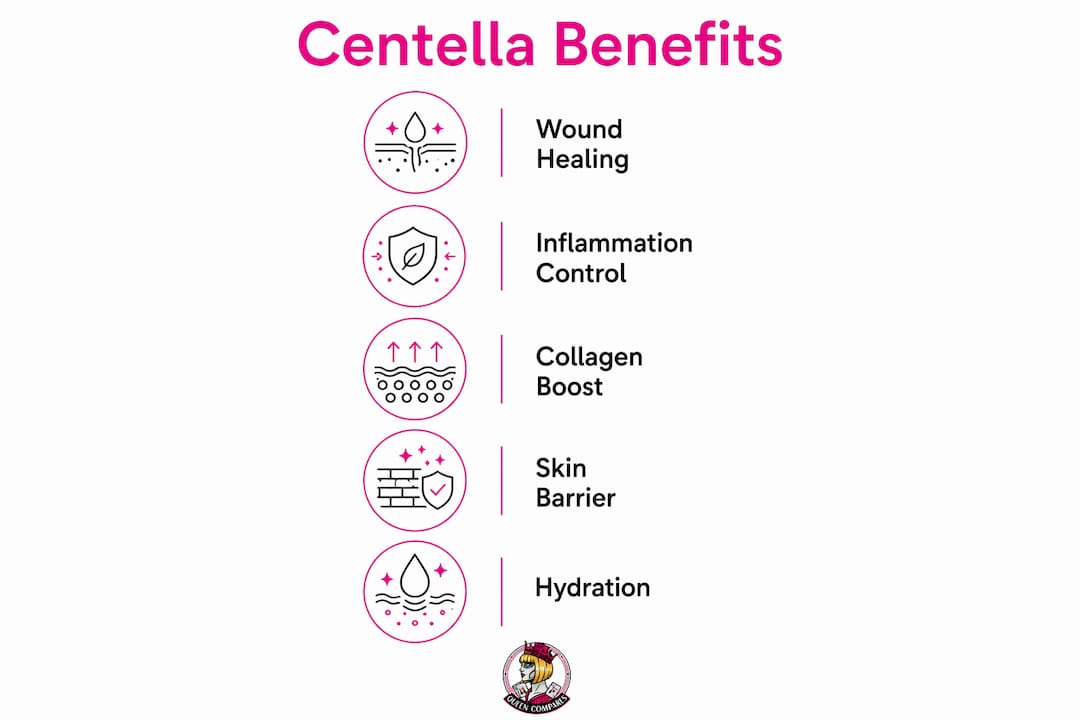
At a glance, gotu kola benefits for skin include:
- Accelerating healing of minor wounds and burns
- Reducing redness and calming inflammatory skin conditions like eczema
- Supporting the skin barrier through collagen and glycosaminoglycan production
- Providing anti-inflammatory action by inhibiting cytokines like TNF-alpha and IL-6
- Soothing sensitive or reactive skin without harsh side effects
What does the clinical research say about centella asiatica?
The strongest evidence for this herb sits squarely in wound healing and inflammation control. Clinical studies show it reduces lower extremity edema in chronic venous insufficiency compared to placebo, and topical application improved outcomes in burn wound patients. Broader anti-aging claims, though popular in marketing, lack the large-scale human trials needed to confirm them.
The plant's triterpenoids drive most of its skin effects. Asiaticoside promotes wound healing by stimulating collagen and glycosaminoglycan synthesis and supporting angiogenesis. Madecassoside inhibits pro-inflammatory cytokines including TNF-alpha and IL-6, which explains why products containing it calm redness so effectively. These mechanisms are well-documented in preclinical models; collagen synthesis claims specifically still need more robust human data.
The European Medicines Agency's Committee on Herbal Medicinal Products (HMPC) has issued a formal herbal monograph recognizing Centella asiatica's traditional use for minor wound healing, with standardized dosing guidance for topical application. That regulatory recognition carries real weight.
| Study Focus | Outcome | Evidence Level |
|---|---|---|
| Chronic venous insufficiency | Reduced lower extremity edema vs. placebo | Clinical trials |
| Burn wound healing | Improved symptom scores with topical asiaticoside | Small clinical studies |
| Anti-aging / collagen synthesis | Promising preclinical results; limited human data | Preclinical models |
| Atopic dermatitis / eczema | Soothing and anti-inflammatory effects observed | Preliminary clinical data |
Key mechanisms at work:
- Asiaticoside and madecassoside bind to fibroblasts, triggering collagen production
- Inhibition of TNF-alpha and IL-6 reduces visible redness and swelling
- Angiogenesis support improves blood supply to healing tissue
- Antioxidant activity helps protect skin cells from oxidative stress
How to use centella asiatica in your skincare routine
Centella asiatica skincare comes in several forms: powdered herbal infusions for wound dressings, creams, serums, and concentrated Centella asiatica extract products. Each form delivers the active triterpenoids differently, and bioavailability depends heavily on how the extract was processed and stabilized.
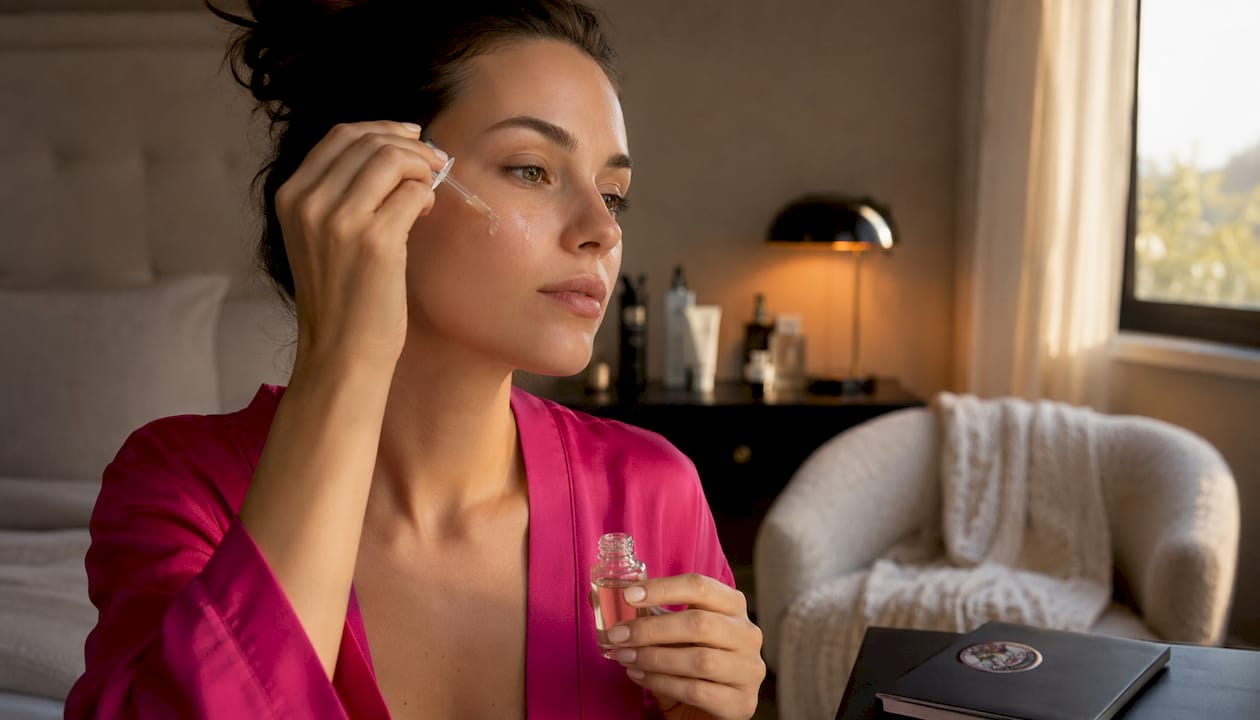
For wound care, the EMA monograph specifies a single dose of 0.6 g of comminuted herbal substance as a warm infusion applied as an impregnated dressing three times daily, with a maximum daily dose of 1.8 g. Topical use for wound healing should not exceed one week without consulting a healthcare professional. For everyday skincare, serums and creams with standardized extracts are more practical and easier to dose consistently.
Pro Tip: Look for products that list asiaticoside or madecassoside specifically on the label, not just "Centella asiatica leaf extract." Standardized extracts with named active compounds give you a much clearer picture of what you're actually applying. You can verify ingredient quality using QueenCompares' Ingredient Checker before buying.
Usage tips to get the most from your routine:
- Patch test on your inner arm for 24 hours before applying to your face
- Apply centella-based serums after cleansing and before heavier moisturizers
- Pair with niacinamide to address both redness and skin texture simultaneously
- Avoid using on broken skin unless the product is specifically formulated for wound care
- Check skincare ingredient combinations to confirm compatibility with your other actives
- Store products away from direct sunlight and heat to preserve triterpenoid potency
- Do not use topical wound-care preparations for more than one week without medical guidance
Is centella asiatica safe? Side effects and precautions
Topical centella asiatica is well-tolerated by most people, but reactions do happen. Common side effects include mild skin rash, contact dermatitis, and localized irritation. Oral use may cause stomach upset. Critically, many reactions people attribute to the herb are actually triggered by preservatives or other ingredients in the formulation, not the centella itself.

Children and adolescents under 18 are generally advised against use without medical supervision, per EMA guidance. If symptoms worsen or persist during use, stop and consult a doctor. Chronic use beyond recommended durations without professional oversight is not advised.
Safety checklist before you start:
- Always patch test, especially if you have sensitive or reactive skin
- Read the full ingredient list, not just the front label
- Discontinue use if you notice spreading redness, blistering, or itching
- Consult a dermatologist if you have a history of plant allergies
- Do not use as a substitute for medical wound care on deep or infected wounds
- Source products from brands with documented quality control and rigorous cultivation standards, since the plant absorbs environmental pollutants from its aquatic growing environment
How does centella asiatica compare to other herbal skin remedies?
Centella asiatica holds its own against other popular botanical ingredients, but each herb has a distinct strength. Understanding those differences helps you build a smarter routine.
Centella vs. niacinamide: These two are often compared, but they work on different problems. Niacinamide regulates sebum and improves skin texture, while centella focuses on soothing and healing. Used together, they address redness, inflammation, and texture at the same time. Neither replaces the other.
Centella vs. retinol: Retinol is a vitamin A derivative with well-established anti-aging effects backed by decades of clinical data. Centella provides anti-inflammatory and barrier-support benefits primarily. There is no clinical evidence that centella is a superior alternative to retinol for anti-aging. They complement each other well when used on alternate nights or in separate steps.
Centella vs. aloe vera: Aloe vera also soothes and hydrates, but its active compounds differ. Aloe's polysaccharides create a surface-level cooling effect, while centella's triterpenoids work deeper in the skin to stimulate repair. For post-procedure or wound recovery, centella tends to offer more targeted healing support. For everyday hydration and sunburn relief, aloe is simpler and often sufficient.
Centella vs. green tea extract: Green tea's EGCG is a potent antioxidant that protects against UV-induced damage. Centella's strength is in tissue repair and inflammation control rather than antioxidant defense. Pairing them covers both bases. If antioxidant protection is your priority, explore how antioxidants in skincare work alongside healing botanicals like centella.
How QueenCompares helps you find the right centella asiatica product
Finding a centella product that actually delivers on its claims takes more than reading the front label. QueenCompares gives our community the tools to look deeper.
- Ingredient Checker: Scan any product's full ingredient list to verify whether it contains standardized centella extracts or just trace amounts
- Label Scanner: Instantly flag potentially irritating additives that might cause reactions mistakenly blamed on centella itself
- Formula safety ratings: Every product in our database carries a safety score based on ingredient interactions and concentration data
- Personalized recommendations: Tell us your skin type and concerns, and we match you to centella products suited to your specific needs
- Community reviews: Real feedback from people with similar skin profiles helps you gauge real-world performance before you buy
Browse centella-containing products and compare formulas side by side in our product library. You can also explore our full ingredient database to dig into the science behind every active compound in your routine.

Join our Queen community and take the guesswork out of your skincare choices. We're here to help you shop with confidence, every single time.
Key Takeaways
Centella asiatica's strongest, most clinically supported benefits are wound healing and inflammation control, not broad anti-aging, making it most effective when used for soothing, barrier repair, and recovery.
| Point | Details |
|---|---|
| Wound healing is the core strength | Clinical studies confirm reduced edema and improved burn wound outcomes with centella. |
| Active compounds drive results | Asiaticoside and madecassoside stimulate collagen synthesis and inhibit TNF-alpha and IL-6. |
| EMA dosing for wound care | Single dose: 0.6 g applied three times daily; max 1.8 g daily; do not exceed one week. |
| Patch test before every new product | Many reactions come from formulation additives, not centella itself. |
| Pairs well with niacinamide | Combining both addresses redness and texture without overlap or conflict. |
FAQ
What does centella asiatica do to your skin?
Centella asiatica soothes inflammation, supports wound healing, and strengthens the skin barrier by stimulating collagen and glycosaminoglycan production through its active triterpenoids, asiaticoside and madecassoside.
Is centella asiatica better than retinol?
No clinical evidence supports centella as a superior alternative to retinol for anti-aging. They work differently: retinol drives cell turnover and collagen remodeling, while centella calms inflammation and aids healing, making them complementary rather than interchangeable.
What are the side effects of centella asiatica?
Topical use may cause mild skin rash, contact dermatitis, or localized irritation. Oral use can cause stomach upset. Reactions are often linked to other ingredients in the formulation rather than centella itself, so patch testing is always recommended.
Which is better, niacinamide or centella asiatica?
Neither is universally better. Niacinamide regulates sebum and improves skin texture, while centella soothes redness and supports healing. Used together, they address different concerns simultaneously without interfering with each other.