TL;DR:
- Glass skin is a luminous, poreless, and hydrated appearance resulting from a healthy skin barrier and consistent care. A routine involves double cleansing, gentle exfoliation, layered hydration, and daily sun protection using well-chosen ingredients. Achieving this look requires patience, proper product use, lifestyle support, and routine customization based on skin type.
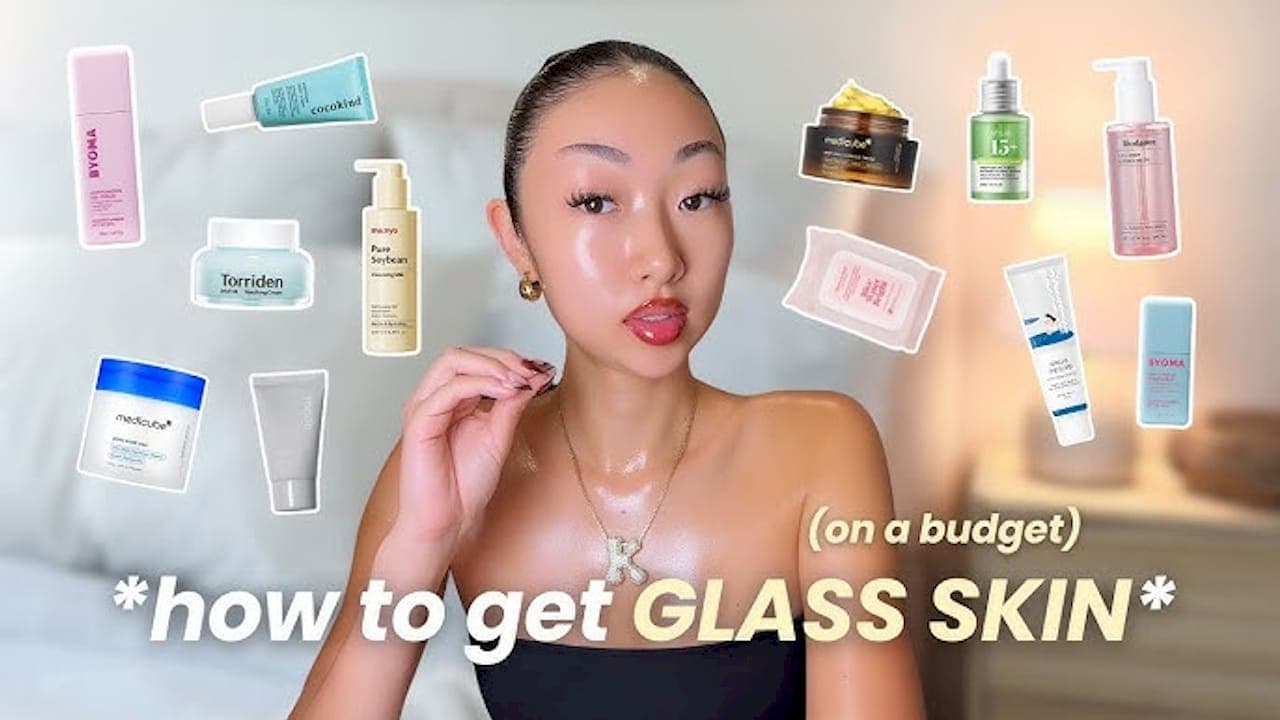
Glass skin is defined by dermatologists as skin so voluminous, evenly toned, and hydrated that it reflects light the way glass does. The look is luminous, poreless, and translucent. It is not a makeup trick or a filter effect. Glass skin is the result of a healthy skin barrier, consistent hydration, and a routine built on gentle, well-chosen products. This guide breaks down every step, every key ingredient, and every lifestyle factor you need to get there, with input from dermatologists and the latest thinking in dewy skin care.
What is the glass skin routine, step by step?
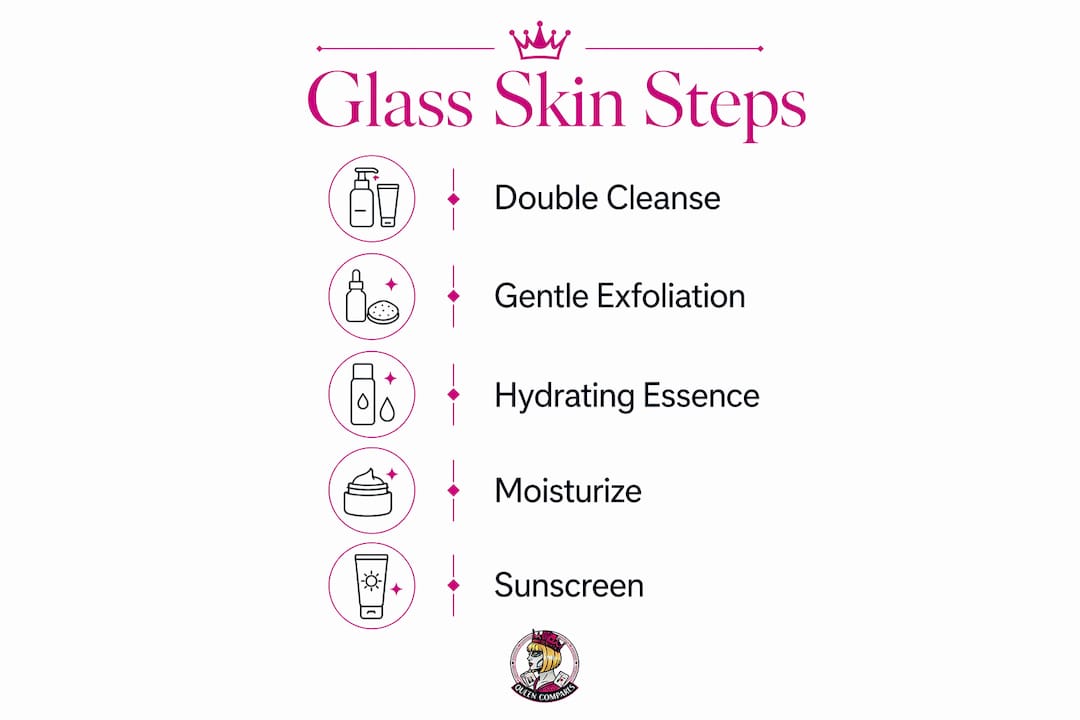
A structured glass skin routine involves double cleansing, gentle exfoliation, layered hydration, and daily sun protection. Each step builds on the last. Skipping steps or rushing the process breaks the chain and limits results.
Step 1: Double cleanse
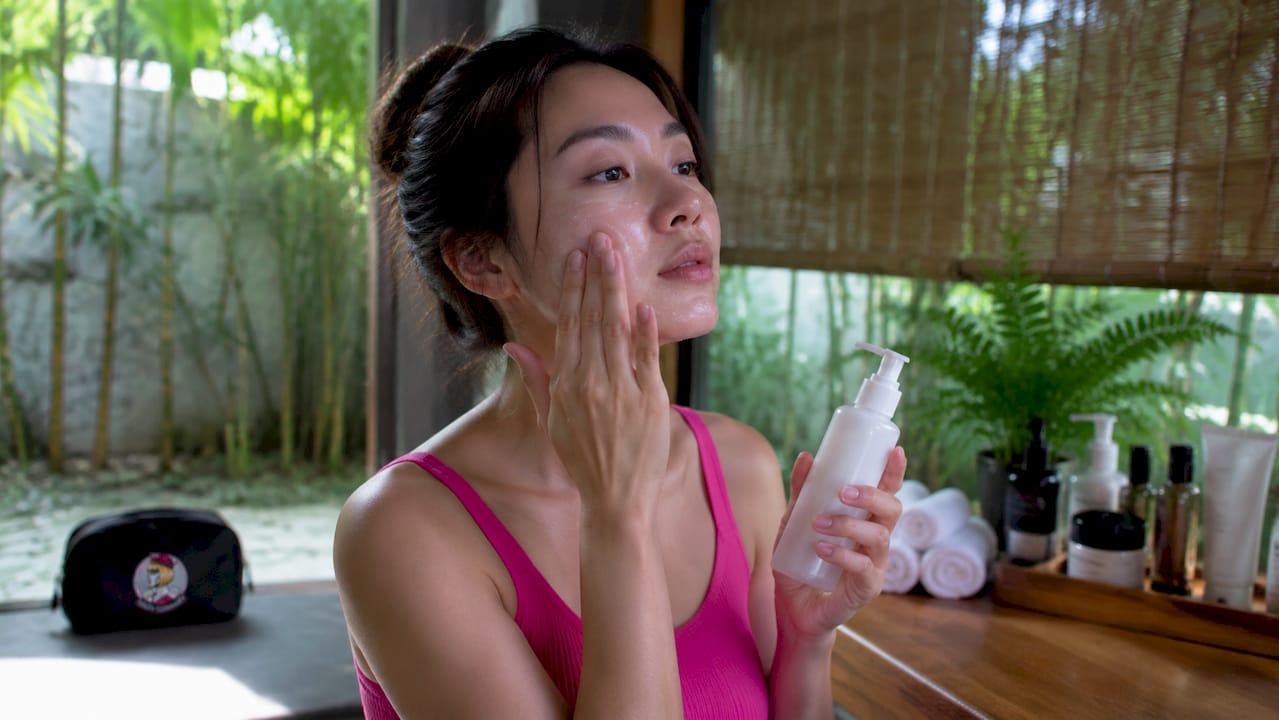
Start with an oil-based cleanser to dissolve sunscreen, makeup, and sebum. Follow immediately with a gentle, water-based cleanser to remove any remaining residue. This two-step method is the foundation of the Korean glass skin approach and keeps pores clear without stripping the skin’s natural oils.
Step 2: Exfoliate gently and selectively
Exfoliation encourages cell turnover and improves product penetration, but frequency matters more than intensity. For most skin types, once or twice a week with a mild chemical exfoliant like lactic acid or polyhydroxy acids (PHAs) is enough. PHAs are especially good for sensitive skin because they work on the surface without penetrating deeply.
Step 3: Layer hydrating essences and serums
Apply a hydrating essence first, while your skin is still slightly damp. Damp skin absorbs hydrating products faster, which means more of the active ingredients actually reach the cells that need them. Follow with a serum containing hyaluronic acid or niacinamide to reinforce the barrier and lock in moisture.
Step 4: Moisturize
Moisturizer seals everything in. A lightweight moisturizer works for oily skin types, while richer creams suit dry or combination skin. Skipping this step causes the skin to compensate by producing more oil, which works against the clear, dewy finish you are building.
Step 5: Apply sunscreen every morning
Sunscreen is the final and non-negotiable step in any glowing skin routine. UV exposure breaks down collagen, causes uneven tone, and undoes every other step in your routine. Use a broad-spectrum SPF 30 or higher daily, even indoors near windows.
Pro Tip: Apply your hydrating essence by pressing it gently into the skin with your palms rather than rubbing. This technique reduces friction and helps the product absorb evenly.
For a full breakdown of how to sequence your products, the skincare routine for beginners guide on the QueenCompares blog is a practical starting point.
Which ingredients actually deliver the glass skin effect?
Well-formulated product layering with hydration-focused and barrier-repair ingredients outperforms aggressive exfoliation or strong actives for luminous skin. Knowing which ingredients to prioritize cuts through the noise of an overcrowded market.
Humectants: the hydration foundation
-
Hyaluronic acid draws water into the skin from the environment and deeper skin layers. It holds up to 1,000 times its weight in water, making it the most effective humectant available in over-the-counter skincare.
-
Glycerin works alongside hyaluronic acid to attract and retain moisture. It is gentler, less likely to cause sensitivity, and works well for all skin types including acne-prone skin.
Barrier repair ingredients
-
Niacinamide (vitamin B3) reduces redness, minimizes the appearance of pores, and strengthens the skin barrier. It also regulates sebum production, which is why it works equally well for oily and dry skin.
-
Panthenol (vitamin B5) soothes and repairs the skin barrier. It reduces water loss and speeds up recovery after irritation or over-exfoliation.
-
Ceramides are lipids that hold skin cells together. Depleted ceramides lead to a compromised barrier, dryness, and dullness. Replenishing them with a ceramide-rich moisturizer restores the skin’s ability to retain moisture.
Brightening and collagen support
- Vitamin C brightens uneven tone and promotes collagen production. Use a stable form like ascorbic acid or ascorbyl glucoside in the morning under sunscreen for the best results.
Pro Tip: Avoid layering vitamin C with niacinamide in the same step if your skin is sensitive. Apply vitamin C in the morning and niacinamide in the evening to get the benefits of both without the risk of irritation.
You can research each of these ingredients in detail using the Ingredient Library on QueenCompares, which lists safety ratings and formulation notes for hundreds of skincare actives.
How do you customize the routine for your skin type?
Influencer routines often over-exfoliate, and dermatologists consistently warn that copying a generic routine without adjusting for your skin type can damage your barrier rather than improve it. Customization is not optional. It is the difference between results and setbacks.
Here is how to adapt the core routine by skin type:
-
Oily skin: Skip the oil-based cleanser if your skin feels congested after using one. A single gentle foaming cleanser is enough. Use a gel-based moisturizer with niacinamide to control shine without clogging pores. Exfoliate once a week with salicylic acid, which penetrates oil-filled pores.
-
Dry skin: Double cleanse with a cream-based oil cleanser and a hydrating, non-foaming water cleanser. Layer a hydrating toner, a hyaluronic acid serum, and a rich ceramide cream. Exfoliate no more than once a week with lactic acid, which also hydrates as it exfoliates.
-
Sensitive skin: Some skin types benefit from exfoliating as infrequently as every two weeks. Use PHAs instead of AHAs or BHAs. Stick to fragrance-free, minimal-ingredient products. Patch test every new product before applying it to your full face.
-
Acne-prone skin: Avoid heavy occlusives like petrolatum if you are prone to clogged pores. Choose non-comedogenic moisturizers and serums. Niacinamide is your best friend here. It calms inflammation, reduces breakouts, and supports the barrier without adding congestion.
-
Eczema or severe sensitivity: Consult a dermatologist before starting any new routine. A compromised barrier needs medical-grade repair before cosmetic layering can be effective.
The safe skincare routine guide on the QueenCompares blog walks through how to adapt each step safely based on your skin’s specific needs.
Why lifestyle factors matter as much as your products
Topical products alone cannot deliver glass skin if your internal health is working against you. Inflammation and skin quality directly reflect internal health, and no serum can fully compensate for chronic sleep deprivation or a poor diet.
-
Hydration: Drinking adequate water supports skin cell function and keeps the skin plump from the inside. Dehydrated skin looks dull and flat, no matter how many hydrating serums you apply.
-
Nutrition: A diet rich in antioxidants from fruits and vegetables reduces oxidative stress in skin cells. Omega-3 fatty acids from sources like salmon and walnuts support the lipid barrier that keeps moisture in.
-
Sleep: Skin repairs itself during deep sleep. Poor sleep raises cortisol levels, which increases inflammation and breaks down collagen. Consistent, quality sleep is one of the most effective tools for reducing dullness and puffiness.
-
Stress management: Chronic stress triggers cortisol spikes that worsen acne, eczema, and rosacea. Practices like regular exercise, meditation, or even consistent sleep schedules reduce stress-related skin flare-ups.
“Lifestyle factors such as hydration, sleep, and stress management are not supplementary to a glass skin routine. They are foundational. Topical care works best when the body is already doing its part.”
For a deeper look at how these factors interact with your skincare products, the QueenCompares blog covers lifestyle and skincare efficacy in detail.
Key Takeaways
A healthy, well-hydrated skin barrier is the single most important factor in achieving and maintaining the glass skin effect.
| Point | Details |
|---|---|
| Barrier health comes first | Prioritize hydration and barrier repair before adding any active ingredients to your routine. |
| Layer products in the right order | Apply from thinnest to thickest: essence, serum, moisturizer, then sunscreen every morning. |
| Customize by skin type | Adjust exfoliation frequency, cleanser type, and moisturizer texture based on your skin’s specific needs. |
| Key ingredients to use | Hyaluronic acid, glycerin, niacinamide, panthenol, ceramides, and vitamin C are the core building blocks. |
| Lifestyle supports topical care | Quality sleep, adequate water intake, and stress management amplify the results of your skincare routine. |
Glass skin takes longer than the internet suggests
— Magdalena Kapuscinska
The most common mistake I see is people expecting glass skin in two weeks after watching a 60-second video. Genetics and age genuinely limit how poreless and translucent your skin can look, and no routine changes that reality. What a good routine does is bring your skin to its personal best, and that takes months, not days.
The second mistake is over-exfoliating. I have seen it repeatedly. Someone follows an influencer’s seven-step exfoliation protocol, their skin gets red and flaky, and they assume they need more products to fix it. They do not. They need to stop and let the barrier recover. Excessive exfoliation impairs the stratum corneum and causes exactly the opposite of the glow you are chasing.
What actually works is boring by social media standards. Gentle cleansing, consistent hydration, a handful of well-chosen ingredients, sunscreen every single day, and enough sleep. The people with genuinely luminous skin are not using 15 products. They are using the right five, consistently, for a long time. Personalize your routine with a dermatologist if you have a specific condition. For everyone else, start simple, stay consistent, and give your skin the time it needs.
— Magdalena Kapuscinska
QueenCompares makes finding the right products easier
Building a glass skin routine means choosing products that actually match your skin type and ingredient needs. That is harder than it sounds when every brand claims to be the best.

QueenCompares gives you the tools to cut through the noise. You can compare skincare products side by side, check ingredient safety ratings, and read community reviews from people with similar skin concerns. The Ingredient Checker lets you scan any product label and instantly see which ingredients support hydration and barrier repair, and which ones to avoid. If you are not sure where to start, the personalized product finder matches you with options based on your specific skin goals. Our Queen community is here to help you make confident, informed choices every step of the way.
FAQ
What is glass skin exactly?
Glass skin is a term for skin that is evenly toned, deeply hydrated, and smooth enough to reflect light. The name comes from the translucent, reflective quality of glass.
How long does it take to achieve glass skin?
Results vary by skin type and starting condition, but most people see noticeable improvement in skin texture and hydration within 4–8 weeks of a consistent routine. Full barrier repair and luminosity can take several months.
Is glass skin the same as dewy skin?
Dewy skin and glass skin are closely related but not identical. Dewy skin refers to a healthy, hydrated glow, while glass skin specifically describes a smoother, more reflective finish achieved through layered hydration and barrier repair.
Can oily skin achieve the glass skin look?
Yes. Oily skin can achieve a luminous, clear complexion by using gel-based moisturizers, niacinamide serums, and gentle exfoliation. Moisturizer is essential even for oily skin because skipping it triggers excess oil production.
Do I need a 10-step routine for glass skin?
No. A focused 5-step routine covering cleansing, exfoliation, hydrating serum, moisturizer, and sunscreen delivers results. Consistency and gentleness over time produce the glass skin effect far more reliably than a long list of products.