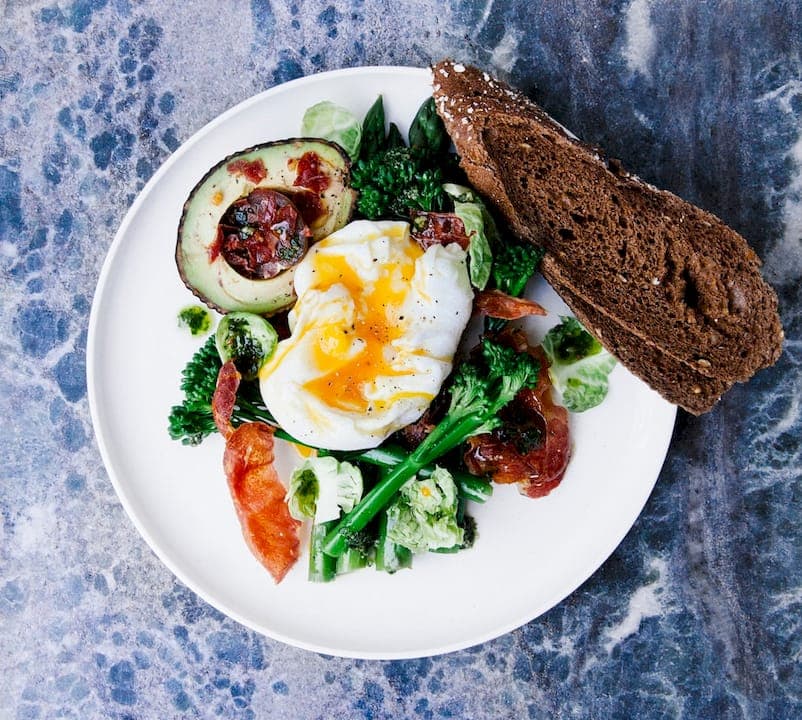
A gluten-free diet removes wheat, barley, rye, and triticale from every meal. It’s essential if you have celiac disease, and it may be medically necessary for a wheat allergy or non-celiac gluten sensitivity. If none of those apply to you, the science doesn’t back going gluten-free for weight loss or “better energy.” Get tested before you cut anything, Queen.
TL;DR:
Most people without celiac disease, wheat allergy, or gluten sensitivity do not benefit from a gluten-free diet, and unnecessary restrictions can cause nutrient gaps.
Proper diagnosis requires testing before eliminating gluten, as gluten removal prior to testing can lead to false negatives for celiac disease.
A gluten-free diet can include a wide range of naturally gluten-free foods such as rice, quinoa, vegetables, fruits, meats, eggs, and dairy, with better nutrition when focusing on whole foods.
Hidden gluten can be present in processed foods like soy sauce, deli meats, seasonings, soups, and medications, requiring careful label reading and knowledge of gluten sources.
Nutrients like fiber, B vitamins, iron, and magnesium are often reduced when avoiding wheat, so a balanced diet with legumes, greens, nuts, and fortified foods is essential if using gluten-free products.
Table of Contents
-
What’s the Realistic Recovery Timeline After Going Gluten-Free?
-
How Do You Read Labels and Understand Gluten-Free Certification?
-
Author Perspective: Gluten-Free Choices and Your Skin, Hair, and Nails
Who Actually Needs a Gluten-Free Diet?
Celiac disease, wheat allergy, and non-celiac gluten sensitivity get lumped together constantly, but they’re three different conditions with three different stakes.
Celiac disease is an autoimmune condition. When someone with celiac eats gluten, their immune system attacks the lining of the small intestine, damaging the tiny finger-like structures (villi) that absorb nutrients. This isn’t a preference or a sensitivity. It’s the only condition where a lifelong, strict gluten-free diet is the proven medical treatment, full stop.
Wheat allergy works differently. It’s an immune response specifically to proteins in wheat, and it can trigger hives, swelling, or even anaphylaxis within minutes to hours of exposure. Someone with a wheat allergy might tolerate barley or rye just fine, since the reaction is to wheat proteins, not gluten broadly.
Non-celiac gluten sensitivity is the trickiest of the three because there’s no blood test or biopsy that confirms it. Doctors typically diagnose it by ruling out celiac disease and wheat allergy first, then watching what happens with an elimination diet or a low-FODMAP trial.
Symptoms worth flagging for your doctor include:
-
Chronic diarrhea, constipation, or bloating that doesn’t resolve
-
Unexplained iron-deficiency anemia
-
Dermatitis herpetiformis (an itchy, blistering skin rash)
-
Fatigue, joint pain, or brain fog with no clear cause
-
Unintended weight loss or failure to thrive in children
Celiac disease affects roughly 1% of the population, though many cases go undiagnosed for years because the symptoms mimic irritable bowel syndrome or simple food intolerance. That gap between prevalence and diagnosis is exactly why testing matters more than guessing.
How Do You Get an Accurate Gluten-Free Diagnosis?
Testing has to happen before you change your diet, not after. Here’s the order clinicians actually recommend:
-
Start with the tTG-IgA blood test. This checks for tissue transglutaminase antibodies, the standard first-line screen for celiac disease. Your doctor will usually pair it with a total IgA test, since some people have an IgA deficiency that would make the main test read falsely negative.
-
Confirm with an endoscopic biopsy if the blood work is positive. A gastroenterologist takes small tissue samples from the small intestine to check for the villous damage that confirms celiac disease.
-
Rule out wheat allergy separately. This involves skin prick testing or a specific IgE blood test, run by an allergist rather than a gastroenterologist, since the mechanism is completely different from celiac disease.
-
Consider an elimination trial only after celiac and allergy are ruled out. This is where non-celiac gluten sensitivity gets evaluated, typically with clinical supervision.
The single biggest mistake people make is going gluten-free first and asking questions later. Cutting gluten before testing can produce a false negative, because the antibodies and intestinal damage that confirm celiac disease need active gluten exposure to show up. If you’ve already gone gluten-free, most clinicians ask patients to reintroduce gluten for several weeks to months under medical supervision before retesting.
What Can You Eat on a Gluten-Free Diet?
Plenty, honestly. The naturally gluten-free food list is longer than most beginners expect, and it doesn’t require living on rice cakes.
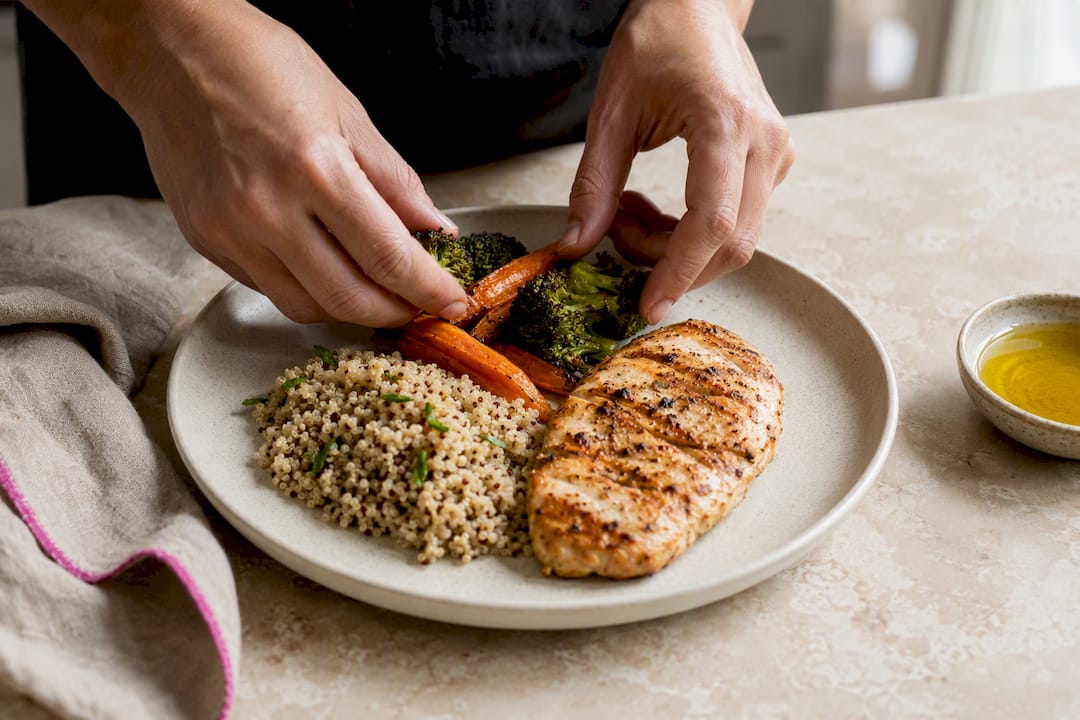
Safe whole grains and starches include rice, quinoa, buckwheat, millet, sorghum, and certified gluten-free oats (regular oats are frequently cross-contaminated during processing, so the certification matters). Beyond grains, you’ve got the entire produce aisle, all fresh meat, poultry, fish, eggs, dairy, legumes, nuts, seeds, and most beans without a second thought.
Quick swaps make the transition feel less like deprivation and more like a menu update:
-
Wheat pasta → chickpea, lentil, or rice pasta
-
Regular bread → certified gluten-free bread or corn tortillas
-
Soy sauce → tamari (check the label, since some tamari still contains wheat)
-
All-purpose flour → almond flour, rice flour, or a gluten-free flour blend
-
Beer → hard cider or gluten-free beer made from sorghum or rice
When shopping, lean toward naturally gluten-free whole foods over packaged gluten-free substitutes whenever you can. Processed gluten-free snacks and breads are often lower in fiber and B vitamins than their wheat-based counterparts, since manufacturers rarely fortify them the way standard bread flour is fortified in the United States. Reading the ingredient list on a box of gluten-free crackers is still worth your time. QueenCompares’ Ingredient Checker can help you scan packaged foods and supplements for gluten-derived ingredients hiding under technical names.
Pro Tip: Build your plate around one naturally gluten-free grain, one protein, and two vegetables before you even think about a substitute product. The fewer processed “free-from” items you rely on, the easier your nutrition stays balanced.
What Should You Avoid, and Where Does Gluten Hide?
The obvious offenders are wheat bread, wheat pasta, most cereals, regular beer, and anything made with barley or rye, including malt vinegar and malted milk drinks. Those are easy to spot once you know to look.
The harder problem is hidden gluten, which shows up in places that have nothing to do with bread:
-
Soy sauce and teriyaki sauce (often thickened with wheat)
-
Processed deli meats and sausages (wheat-based fillers and binders)
-
Flavored potato chips and seasoning blends
-
Soups and gravies thickened with wheat flour
-
Some supplements and medications that use gluten as a binding agent
-
Imitation seafood and some canned soups
In the United States, a product labeled “gluten-free” must contain less than 20 parts per million of gluten, a threshold set by the FDA and considered safe for almost everyone with celiac disease. That’s different from a “may contain wheat” warning, which signals possible cross-contamination during manufacturing rather than an intentional ingredient. “Gluten removed” is different again. It usually means a naturally gluten-containing product, like beer brewed from barley, has been processed to strip out most of the gluten. It’s not the same safety standard as “gluten-free,” and people with celiac disease are generally advised to skip gluten-removed products entirely.
Are You Missing Key Nutrients on a Gluten-Free Diet?
Cutting wheat means cutting one of the most heavily fortified foods in the American diet, and that leaves gaps if you’re not paying attention. Fiber, folate and other B vitamins, iron, and magnesium are the four nutrients most likely to slip when someone switches to gluten-free without a plan.
Standard wheat flour in the U.S. is enriched with iron and B vitamins by federal mandate. Most gluten-free flour blends are not held to that same fortification standard, and Harvard Health has flagged that many packaged gluten-free products are also higher in added sugar and fat, since manufacturers use those to compensate for texture and flavor lost without gluten.
A quick statistic worth sitting with: because refined gluten-free grains typically skip the enrichment process that wheat flour goes through, a diet built mostly on processed gluten-free bread, crackers, and pasta can leave you short on the exact nutrients wheat products are engineered to supply.
Close the gap with food first:
-
Fiber: legumes, quinoa, chia seeds, vegetables, and certified gluten-free oats
-
Iron and B vitamins: lean meat, eggs, leafy greens, and fortified gluten-free cereals when available
-
Magnesium: nuts, seeds, and dark leafy greens
-
Folate: lentils, spinach, and citrus fruits
If your meals are heavy on processed substitutes and light on produce and legumes, a registered dietitian can build a plan around your labs rather than guesswork. Our beauty-first nutrition guide walks through nutrient-dense, naturally gluten-free foods in more detail.
How Do You Avoid Cross-Contamination at Home and Out?
For celiac disease, there’s no safe “small amount.” Crumbs matter. Shared cooking oil matters. A cutting board that touched regular bread an hour ago matters.
At home, a few dedicated changes go a long way:
-
Keep a separate toaster, or use a toaster bag, since crumbs embed permanently in toaster coils.
-
Store gluten-free flours, breads, and grains in clearly labeled, sealed containers away from wheat products.
-
Use dedicated cutting boards, colanders, and wooden utensils, since porous surfaces trap gluten even after washing.
-
Wipe down counters and prep surfaces before cooking gluten-free meals, especially in a shared kitchen.
Eating out requires a different kind of vigilance. Ask direct questions: “Are the fries cooked in the same fryer as breaded items?” “Is there a dedicated gluten-free prep area?” “Does the sauce contain flour or soy sauce?” Fried foods, soups, and sauces are the highest-risk menu items, since fryers and thickeners are common contamination points, according to cross-contamination guidance from Children’s Hospital of Philadelphia. If a server can’t answer confidently, that’s usually your answer.
Pro Tip: Call ahead during off-peak hours and ask to speak with the kitchen directly. Restaurants that take celiac disease seriously usually have a clear, rehearsed answer. Hesitation is a red flag.
How Do You Start a Gluten-Free Diet the Right Way?
Once testing confirms you need this diet, here’s a four-step plan that avoids to overwhelm most beginners hit in week one:
-
Get tested first. Confirm celiac disease, wheat allergy, or gluten sensitivity with your doctor before changing anything.
-
Clear your kitchen and plan swaps. Go shelf by shelf, replace obvious wheat products, and stock naturally gluten-free staples.
-
Learn to read labels and order safely. Practice spotting the under 20 ppm standard, “may contain” warnings, and hidden gluten in sauces and processed foods.
-
Connect with a registered dietitian or a celiac support group. Professional guidance catches nutrient gaps and adherence issues faster than trial and error.
A basic gluten-free pantry looks like this:
-
Grains and starches: rice, quinoa, certified gluten-free oats, corn tortillas
-
Flours: almond flour, rice flour, a gluten-free all-purpose blend
-
Canned goods: beans, lentils, tomatoes, tuna
-
Fresh produce: whatever’s in season, unprocessed and naturally gluten-free
-
Proteins: eggs, chicken, fish, plain Greek yogurt, tofu
A compact one-week sample menu might run: overnight oats with berries for breakfast most days, rotating into eggs with roasted vegetables. Lunches built around quinoa bowls, grilled chicken salads, or leftover dinner proteins. Dinners spanning grilled salmon with rice, a lentil and vegetable stir-fry over rice noodles, and a sheet-pan chicken dinner with roasted potatoes. Snacks stay simple: fruit with nut butter, plain yogurt, roasted chickpeas, or rice crackers with hummus.
What’s the Realistic Recovery Timeline After Going Gluten-Free?
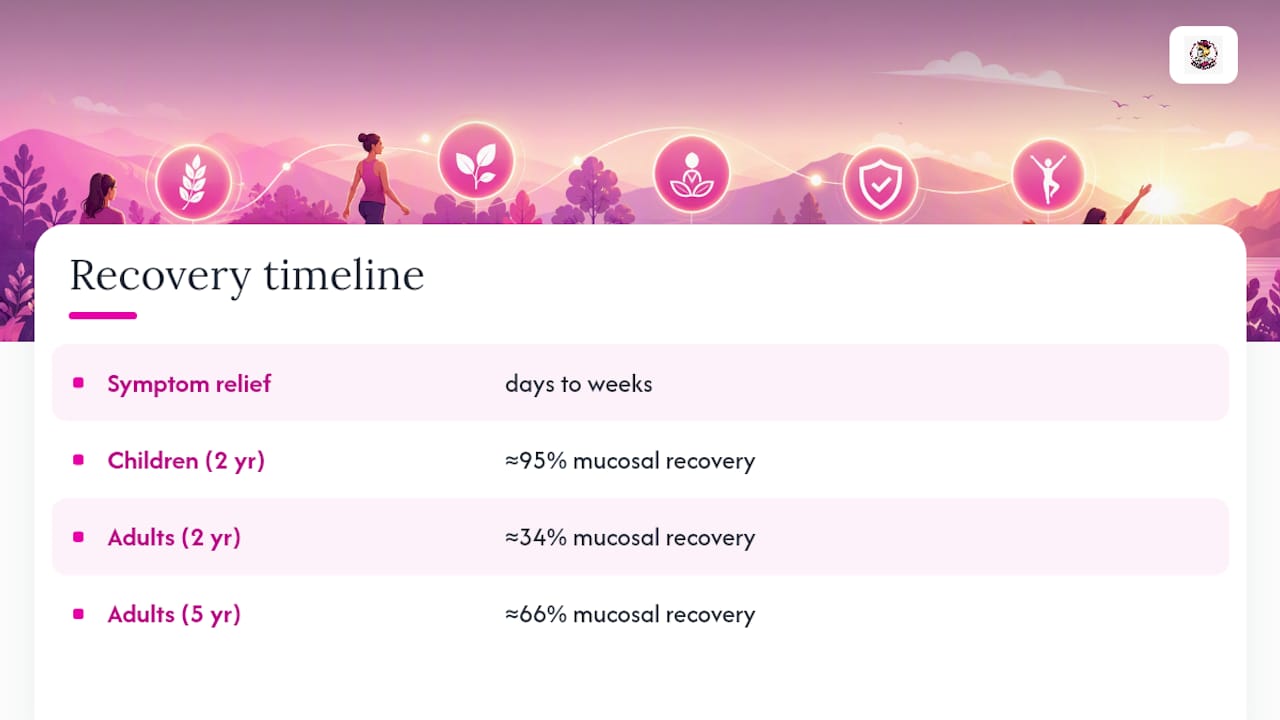
Symptom relief and gut healing happen on two very different clocks. Digestive symptoms like bloating and diarrhea often improve within days to a few weeks of removing gluten. Full intestinal healing takes much longer.
Mucosal recovery happens faster in children, with about 95% healed within two years of starting the diet. Adults recover more slowly. Roughly 34% show full mucosal recovery at two years, climbing to about 66% by five years. That gap is largely about strict adherence and how much damage existed at diagnosis. If GI symptoms persist past a few months on a genuinely gluten-free diet, that’s a signal to loop your gastroenterologist back in rather than assume something’s wrong with the diet itself.
Is a Gluten-Free Diet Actually Healthier for Everyone?
Not for people without a gluten-related condition. There’s no solid evidence that going gluten-free improves energy, digestion, or weight in people who don’t have celiac disease, wheat allergy, or gluten sensitivity, and unnecessary restriction can create nutrient gaps.
Most of the “I felt amazing after cutting gluten” stories trace back to something else entirely:
-
Eating fewer processed foods overall, not less gluten specifically
-
Naturally lower calorie intake from cutting out bread, pastries, and beer
-
More fruits, vegetables, and whole foods filling the space wheat used to occupy
Johns Hopkins Medicine points out that weight loss after going gluten-free is usually a byproduct of these broader changes, not something gluten removal causes directly. If your actual goal is better energy or a lighter number on the scale, focus on whole-food quality first. Our guide on separating weight-loss marketing from real results breaks this down further.
How Do You Read Labels and Understand Gluten-Free Certification?
The FDA’s “gluten-free” claim means under 20 parts per million, and it applies whether a product is naturally gluten-free or reformulated to remove gluten. That’s the baseline, but third-party certification adds another layer of assurance beyond a manufacturer’s self-declared label.
Organizations like the Gluten-Free Certification Organization (GFCO) test products independently and often hold manufacturers to a stricter 10 ppm threshold, along with facility audits to catch cross-contamination risks the label alone wouldn’t reveal. Look for a certification mark on packaging if you want that extra layer, especially for products you eat daily.
Beyond the gluten-free claim itself, three label phrases matter:
-
“May contain wheat” flags possible cross-contamination during manufacturing, not an added ingredient.
-
“Gluten removed” applies to products like some beers where gluten was processed out of a naturally gluten-containing grain. It doesn’t meet the same safety threshold as “gluten-free” and isn’t considered safe for celiac disease by most clinicians.
-
Ingredient lists still need a scan for wheat, barley, rye, malt, and brewer’s yeast, even on products that don’t carry a gluten-free claim at all.
Reading the full ingredient panel, not just the front-of-package claim, catches problems the marketing language won’t. QueenCompares’ Ingredient Library is built for exactly this kind of check, especially for supplements and beauty products where gluten-derived ingredients show up in unexpected places.
Where Can You Find Reliable Support and Guidance?
A registered dietitian who specializes in celiac disease or food allergies is worth the appointment, especially in your first few months. They can catch nutrient gaps in your meal plan, help you navigate social situations, and adjust your approach if symptoms aren’t improving on schedule.
Beyond one-on-one care, celiac support groups (many hospitals and celiac disease foundations run local or virtual chapters) give you access to people who’ve already solved the problems you’re about to hit, from navigating school lunches to finding safe restaurants in a new city. Your gastroenterologist or allergist is also your best resource for interpreting test results and deciding when reintroduction trials or follow-up biopsies make sense. If you’re building out your gluten-free routine and want help tracking what you’re actually eating, tools like nutrition tracking apps can make the learning curve less overwhelming.
Author Perspective: Gluten-Free Choices and Your Skin, Hair, and Nails
Nutrient quality, not gluten removal itself, is what connects diet to skin and hair outcomes. Protein supports keratin structure, omega-3s show up in skin barrier function, and B vitamins and minerals like zinc and iron play roles in hair growth cycles and nail strength. A gluten-free diet built on legumes, nuts, seeds, fish, and colorful produce checks those boxes far better than a diet of processed gluten-free substitutes ever will.
Don’t expect overnight transformation, though. Hair and nail cells turn over slowly, so dietary changes take months to show up cosmetically, not days. For more on how nutrition and skin health connect, our evidence-based diet and skin guide and Rao Dermatology’s take on diet and skin are both worth a read. If you want to explore your options further, QueenCompares’ product comparison tools can help you evaluate nutrition-focused products with your specific goals in mind.
— Magdalena Kapuscinska
This article is general information, not a substitute for advice from a qualified doctor. Consult a qualified healthcare professional about your own circumstances before acting on anything here.
Sources
FAQ
What Foods Can I Eat on a Gluten-Free Diet?
You can eat all fresh meat, poultry, fish, eggs, dairy, fruits, vegetables, legumes, and naturally gluten-free grains like rice, quinoa, buckwheat, and certified gluten-free oats. Focus on whole foods over packaged gluten-free substitutes for better overall nutrition.
What Does Cutting Out Gluten Actually Do to Your Body?
For someone with celiac disease, removing gluten stops the immune attack on the small intestine and allows the gut lining to heal over months to years. For someone without a gluten-related condition, cutting gluten has no proven physiological benefit and mainly changes what else you’re eating.
What Would a Typical Day of Eating Look Like on This Diet?
A typical day might include eggs or oatmeal for breakfast, a quinoa or rice bowl with vegetables and protein for lunch, and grilled fish or chicken with rice and roasted vegetables for dinner, with fruit, nuts, or yogurt for snacks.
How Do I Start a Gluten-Free Diet as a Beginner?
Get tested for celiac disease or wheat allergy before changing your diet, then clear your kitchen of obvious gluten sources, stock naturally gluten-free staples, and learn to read labels for the under 20 parts per million gluten-free standard. Working with a registered dietitian in your first few months helps you avoid nutrient gaps while you adjust.