TL;DR:
K-Beauty emphasizes layered hydration, sun protection, and consistent habits to maintain long-term skin health.
Building a simple routine of cleanser, toner, moisturizer, and SPF for six weeks helps improve skin stability before adding actives.
K-Beauty is the Korean approach to skincare that centers on layered hydration, sun protection, and consistent daily habits that build visible, long-term skin health. Unlike Western routines that often focus on correcting problems, Korean skincare philosophy treats the skin as something worth protecting before damage occurs. The industry standard term is “Korean beauty,” but K-Beauty is the widely recognized shorthand used by dermatologists, retailers, and enthusiasts alike. This guide covers the core routine structure, how to customize it for your skin type, the ingredients worth knowing in 2026, and where the category is heading next.
What does a K-Beauty routine actually look like?
The 10-step routine is mostly a marketing framework. Most people in Korea use a 3–5 step daily routine, saving longer sessions for weekends or when their skin needs extra attention. That distinction matters because it removes the biggest barrier for beginners: the idea that Korean skincare requires an hour and a dozen products.
A practical beginner routine runs on four products: a gentle cleanser, a hydrating toner, a moisturizer, and SPF. You can build this foundation for under $50 without sacrificing quality. The morning version takes about 5 minutes. The evening version, which includes double cleansing, runs 10–15 minutes.
Pro Tip: Start with just these four products and use them every single day for six weeks before adding anything else. Your skin needs time to stabilize before it can respond well to actives.
Here is how a beginner routine breaks down by time of day:
Morning (5 minutes):
-
Gentle water-based cleanser
-
Hydrating toner (pat, don’t rub)
-
Lightweight moisturizer
-
Broad-spectrum SPF 30 or higher
Evening (10–15 minutes):
-
Oil-based cleanser to remove SPF and buildup
-
Water-based cleanser for a thorough second cleanse
-
Hydrating toner
-
Moisturizer or sleeping mask
Double cleansing with an oil-based cleanser followed by a water-based one is effective for all skin types, including oily and acne-prone skin, when you choose lightweight, non-comedogenic formulas. The oil step lifts sunscreen and sebum that water alone cannot remove. The water step clears what the oil leaves behind.
How do you customize your routine for your skin type?
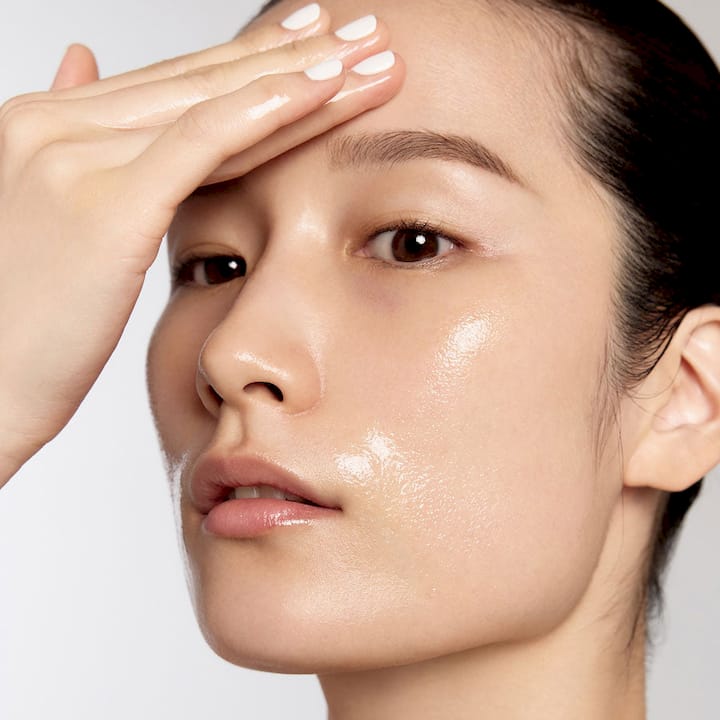
Skin type identification is the first real step in building a Korean skincare routine that works for you. A routine designed for dry skin will frustrate someone with oily skin, and vice versa. The good news is that the core philosophy stays the same across all types: protect the barrier, hydrate consistently, and introduce actives slowly.
For sensitive skin, the most important product choice is your cleanser. Low-pH cleansers in the pH 4.5–5.5 range preserve the skin’s natural acid mantle. Harsh cleansers strip that mantle and trigger redness, tightness, and breakouts. Pairing a low-pH cleanser with a fragrance-free toner and a ceramide-rich moisturizer gives sensitive skin a stable base to work from.
For acne-prone skin, the priority is hydration, not drying out. Non-comedogenic products keep pores clear while maintaining moisture. Skipping hydration because your skin feels oily actually triggers more oil production. Niacinamide is a strong ingredient choice here because it regulates sebum and calms inflammation without irritating the barrier.
Here are the key customization principles by concern:
-
Oily skin: Use a gel-based moisturizer and a low-pH foaming cleanser. Skip heavy creams.
-
Dry skin: Layer a hydrating essence under your moisturizer. Look for hyaluronic acid and ceramides.
-
Sensitive skin: Stick to fragrance-free, minimal-ingredient products. Patch test everything.
-
Acne-prone skin: Choose non-comedogenic formulas. Prioritize niacinamide over harsh acids.
-
Combination skin: Apply lighter products to the T-zone and richer ones to dry patches.
Introducing actives like Vitamin C or Retinol should happen only after your basic routine has been consistent for six weeks. That stabilization period lets your barrier strengthen before you add ingredients that increase cell turnover. Skipping this step is the most common reason people experience irritation and give up on their routine entirely.
Pro Tip: If you are unsure whether a new product suits your skin, use QueenCompares’ Ingredient Checker to scan the formula before you buy. It flags potential irritants and comedogenic ingredients in seconds.
What are the key K-Beauty products and ingredients to know?
Understanding the difference between a toner, an essence, and a serum saves you money and prevents product overload. These three formats are often confused, but they serve distinct roles in a Korean skincare routine.
| Product Type | Texture | Primary Role |
|---|---|---|
| Toner | Watery | Rebalances pH, preps skin for absorption |
| Essence | Lightweight liquid | Delivers concentrated hydration and actives |
| Serum | Thicker than essence | Targets specific concerns like pigmentation or wrinkles |
| Moisturizer | Cream or gel | Seals in hydration and supports the barrier |
| Sleeping mask | Thick gel or cream | Intensive overnight repair and hydration |
The ingredients driving results in 2026 include niacinamide, hyaluronic acid, fermented extracts, PDRN (polydeoxyribonucleotide), and exosome-rich formulas. Niacinamide brightens and regulates oil. Hyaluronic acid pulls moisture into the skin. Fermented extracts, a K-Beauty signature, improve absorption and deliver antioxidants in a gentler form than raw actives. PDRN and exosome formulas represent the newer clinical tier, originally used in dermatology offices and now available in at-home products.
Layering from thinnest to thickest is the rule that makes all of this work. Applying a thick cream before a watery essence blocks the essence from penetrating. The sequence matters as much as the products themselves. Get the order wrong and you waste the product’s potential entirely.
The “glass skin” trend that defined K-Beauty aesthetics for years is still relevant, but the method has shifted. Glass skin’s longevity depends on consistent layered hydration, not aggressive treatments. Chasing that dewy finish with harsh exfoliants actually damages the barrier and produces the opposite result.
How have K-Beauty trends shifted heading into 2026?
The K-Beauty market has moved past the discovery phase. Consumers in 2026 are demanding treatment-inspired products that deliver clinic-level results at home, with a focus on refined skin texture and radiance rather than novelty. That shift is visible in the ingredients gaining traction: microneedle essences, gentle resurfacing patches, and exosome-rich formulas that were previously only available through dermatologists.
Social media, particularly TikTok, accelerated this demand. Skincare content that explains the science behind ingredients outperforms content that simply showcases products. Audiences want to understand why something works, not just that it does. This has pushed K-Beauty brands to lead with education and clinical data rather than aesthetic packaging alone.
“The priority in 2026 remains skin health as a long-term investment. The mindset is gentle cleansing, consistent hydration, daily sun protection, and patience. That philosophy has not changed. What has changed is the sophistication of the products delivering on it.”
Retail expansion has also widened access. Korean skincare brands are now stocked in major US pharmacy chains, department stores, and specialty beauty retailers, which means you no longer need to import products or rely on niche online shops. That accessibility has brought new audiences into the category, which in turn is driving demand for clearer ingredient education and safety transparency.
The overnight mask category is growing fast. These products sit on skin for 6–8 hours, delivering sustained hydration and repair without the irritation risk of leave-on actives. For anyone building a simplified skincare routine, an overnight mask replaces multiple evening steps with one product.
Key Takeaways
Korean skincare delivers the best results when you build a stable 3–5 step routine first, layer products from thinnest to thickest, and introduce actives only after six weeks of consistent use.
| Point | Details |
|---|---|
| Start with four products | Cleanser, toner, moisturizer, and SPF form the complete beginner foundation. |
| Layering order matters | Apply thinnest to thickest to maximize ingredient absorption and avoid pilling. |
| Wait before adding actives | Use your base routine for six weeks before introducing Vitamin C or Retinol. |
| Low-pH cleansers protect the barrier | Choose cleansers in the pH 4.5–5.5 range to preserve the skin’s acid mantle. |
| Hydration beats aggression | Glass skin and long-term glow come from consistent hydration, not harsh treatments. |
Why I think most people overcomplicate K-Beauty
By Magdalena Kapuscinska
After years of following Korean skincare closely, the biggest mistake I see is treating product count as a measure of commitment. People buy seven products in week one, overwhelm their skin, and blame the routine when they break out. The philosophy was never about more. It was always about better.
The routines that actually work are boring to look at. A gentle cleanser, a good toner, a solid moisturizer, and SPF every morning. That combination, used without skipping, produces more visible change in 90 days than any elaborate 10-step system used inconsistently. Consistency is the active ingredient that no product can replace.
Myself, I use the same snail serum and cream from CosRX as part of my daily skincare routine, both in the morning and at night, and I have been doing this for many years. These products consistently deliver the results I desire—achieving a radiant, glass-like skin appearance almost instantly. Over time, I have experimented with various other serums, essences, and creams from different brands to address specific skin concerns or to try out new formulations. For example, I might test a vitamin C serum to brighten my complexion or a hydrating essence during the colder months. However, despite these experiments, I always find myself returning to my skincare Holy Grails —the CosRX Advanced Snail line. This line has become a staple in my routine because of its proven effectiveness, soothing properties, and ability to improve skin texture and elasticity over time, making it my go-to choice for maintaining healthy, luminous skin.
What I find most valuable about the Korean approach is its patience. Western skincare tends to promise fast fixes. K-Beauty, at its core, asks you to treat your skin like something worth caring for long-term. That mindset shift is harder than buying the right serum, but it is also what makes the difference. If you want to build a routine that holds, start with less than you think you need and add only when your skin is stable and happy.
— Magdalena Kapuscinska - Queencompares.com Founder
Find the right K-Beauty products with QueenCompares
QueenCompares is the place to cut through the noise and find Korean beauty products that actually match your skin’s needs.
The QueenCompares product database lets you compare formulas side by side, check ingredient safety ratings, and read community reviews from people with your skin type. Whether you are building your first routine or looking to upgrade a specific step, the platform gives you the information to choose with confidence. You can also browse the full K-Beauty brand catalog to find trusted names with verified ingredient transparency. No guessing, no wasted purchases. Just clear, community-backed decisions.
FAQ
What is K-Beauty and how is it different from Western skincare?
K-Beauty is the Korean approach to skincare that prioritizes hydration, barrier protection, and sun protection as daily non-negotiables. Western routines often focus on correcting existing damage, while K-Beauty focuses on preventing it through consistent, gentle habits.
How many steps does a K-Beauty routine actually need?
A daily K-Beauty routine needs 3–5 steps, not 10. The full 10-step version is a marketing concept, not a daily practice for most Korean skincare users.
What are the best K-Beauty ingredients for sensitive skin?
Niacinamide, hyaluronic acid, ceramides, and fermented extracts are the top choices for sensitive skin. These ingredients hydrate and support the barrier without triggering irritation or inflammation.
When should I add actives like Vitamin C to my routine?
Introduce actives only after using your base routine consistently for six weeks. This stabilization period strengthens the barrier and reduces the risk of irritation from ingredients like Vitamin C or Retinol.
Does K-Beauty work for oily or acne-prone skin?
Yes. Double cleansing with lightweight, non-comedogenic products is recommended for oily and acne-prone skin types. Skipping hydration makes oiliness worse, so a gel-based moisturizer and niacinamide serum are strong choices for this skin type.