TL;DR:
- NAD is a vital coenzyme that supports skin cell repair, hydration, and collagen production but declines with age. Topical formulations mainly rely on smaller precursors like niacinamide and nicotinic acid, combined with advanced delivery systems, to penetrate the skin effectively. Proven effective products prioritize specific precursors at proper concentrations and incorporate technology such as liposomes or transfersomes for optimal results.
What is NAD and why does it matter for your skin?
NAD, short for nicotinamide adenine dinucleotide, is a coenzyme found in every living cell. It powers energy production, supports DNA repair, and keeps cellular metabolism running. For skin specifically, healthy NAD levels mean cells can repair UV damage, maintain the moisture barrier, and produce collagen more efficiently.
Here’s the catch: NAD+ levels decline measurably with age in skin tissue, reducing cellular energy and repair capacity. According to Vogue, NAD+ stores decline significantly with age, notably by middle age, which contributes to oxidative stress, inflammation, and slower cell turnover.
The NAD molecule itself is too large and unstable to penetrate skin effectively when applied topically. That’s why smart formulations rely on NAD+ precursors, smaller molecules your skin cells can convert into NAD internally. The most common ones you’ll spot on ingredient labels:
-
Niacinamide (NAM): The most studied and widely used precursor, with decades of clinical backing
-
Nicotinic acid (NA): Uniquely effective in epidermal keratinocytes
-
Nicotinamide riboside (NR): A newer precursor with promising clinical trial results
-
Nicotinamide mononucleotide (NMN): Found in some premium anti-aging formulas
QueenCompares’ Ingredient Library lets you look up each of these precursors, compare their safety ratings, and see which products actually list them at meaningful concentrations.
Table of Contents
-
How topical NAD+ formulations actually work (and where they fall short)
-
How to choose effective NAD+ skincare products in the US market
How topical NAD+ formulations actually work (and where they fall short)
The science behind topical NAD+ is genuinely exciting, but the formulation challenges are real. NAD+ is a large, polar molecule, and the skin’s outer barrier, the stratum corneum, is designed to keep exactly this kind of molecule out. Applying pure NAD+ to skin offers limited benefit without a delivery system built to move it through.

That’s why cosmetic chemists and dermatologists consistently point to precursors and delivery technology as the keys to making these products work. As Dr. Shuting Hu, a cosmetic chemist specializing in active ingredient delivery, has noted, the effectiveness of NAD+ skincare depends far more on how the precursor is delivered than on whether NAD+ itself appears on the label.
Dr. Tiffany Libby, a board-certified dermatologist, echoes this view: the precursor delivery matters more than the NAD+ content claim on the packaging.
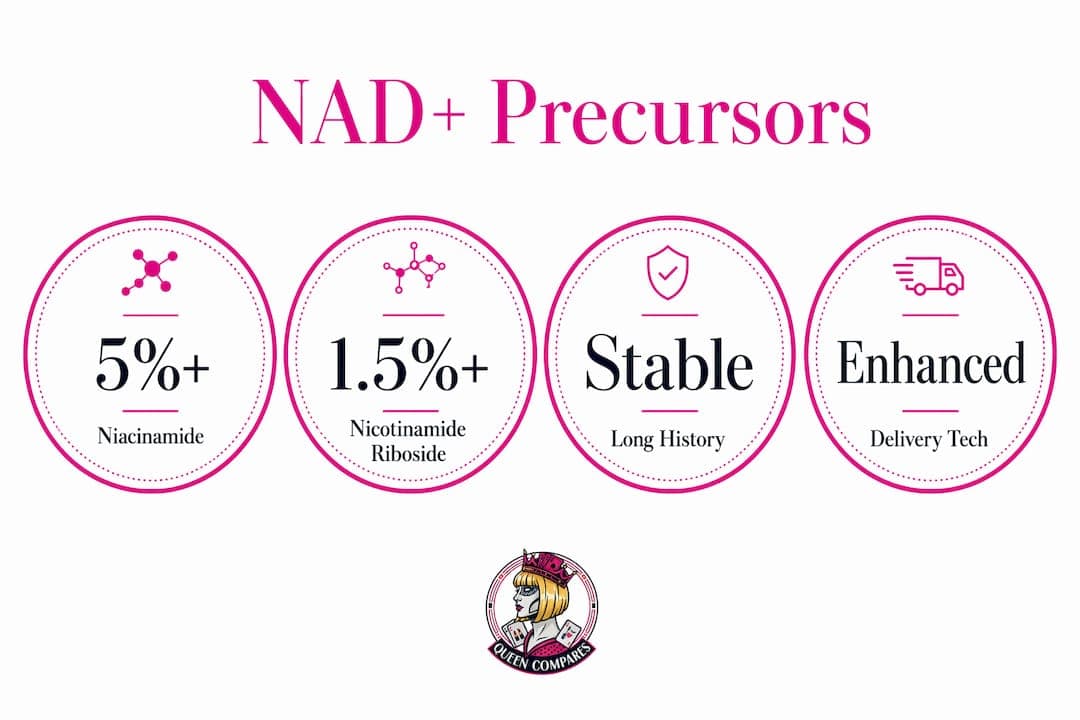
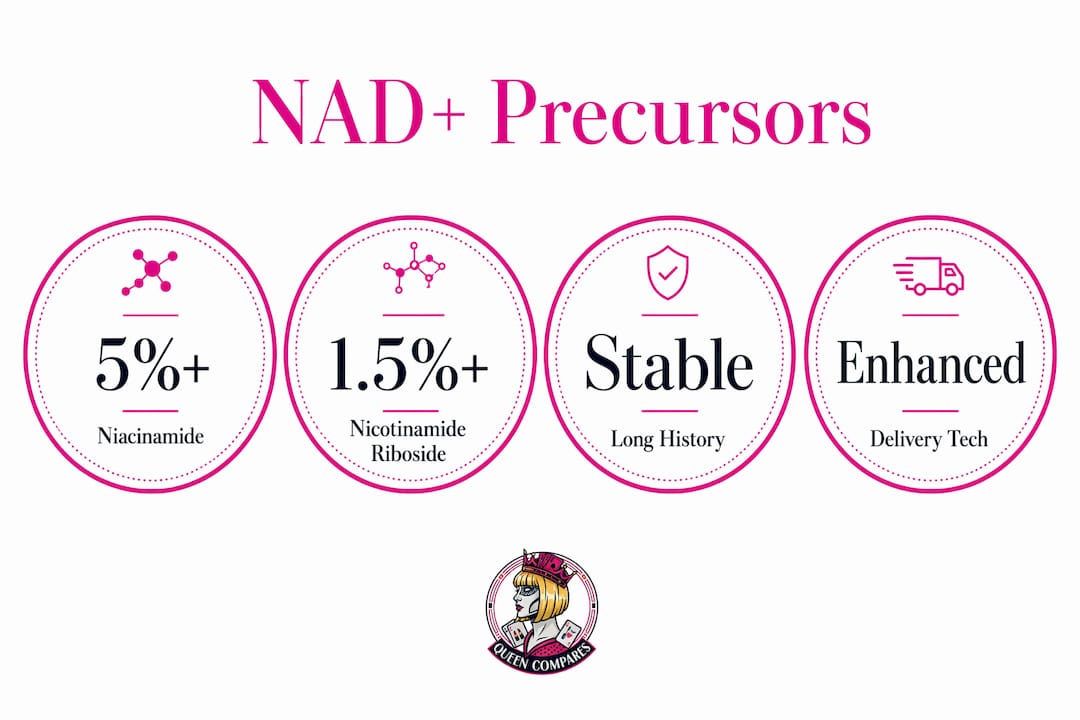
Niacinamide remains the gold standard here. It has a long clinical history, an excellent safety profile, and proven benefits for barrier repair, hyperpigmentation, and sebum regulation at concentrations of 2–5%. Newer precursors like NR and NMN are generating buzz, but their topical evidence base is still catching up.
Pairing NAD+ precursors with complementary ingredients amplifies results. Antioxidants like vitamin C and ferulic acid protect against oxidative stress, peptides support collagen synthesis, and humectants like hyaluronic acid reinforce the moisture barrier. The role of antioxidants alongside NAD+ precursors is one of the more underappreciated aspects of building an effective anti-aging routine.
Pro Tip: When scanning a product label, look for niacinamide listed within the first five ingredients. That placement usually signals a concentration between 2–5%—the range shown in clinical trials to effectively support NAD production in skin cells.
What clinical research shows about NAD+ precursors for skin
The evidence varies significantly depending on which precursor you’re looking at. Here’s what the research actually shows:
| Precursor | Key Evidence | Effective Concentration | Notable Limitation |
|---|---|---|---|
| Niacinamide (NAM) | Barrier repair, hyperpigmentation, sebum control | 2–5% | Less potent for mitochondrial NAD boost |
| Nicotinic acid (NA) | Elevated NAD+ by 1.3-fold in keratinocytes, reduced oxidative stress | Varies | Can cause flushing at higher doses |
| Nicotinamide riboside (NR) | Improved skin hydration, reduced transepidermal water loss, minimal irritation | ≥1.5% | Newer; fewer long-term studies |
| NMN | Used in premium formulas; feeds NAD salvage pathway | Varies | Limited topical-specific clinical data |
Nicotinic acid stands out for its unique metabolic pathway. Unlike niacinamide, NA activates NAD production specifically in epidermal keratinocytes and supports mitochondrial function more directly. The tradeoff is that it can cause flushing at higher concentrations, which limits its use in leave-on products.
NR’s clinical data is particularly encouraging for everyday skincare. Topical NR has shown benefits for skin moisture and barrier integrity in clinical trials, with good tolerability at studied concentrations. That combination of efficacy and gentleness makes it a strong candidate for sensitive skin routines.
One honest caveat: direct clinical evidence proving that topical NAD+ formulations raise skin NAD levels enough to produce visible anti-aging effects is still limited. The cell biology is sound, but larger placebo-controlled trials are needed before anyone can make definitive wrinkle-reduction claims.
Why delivery technology makes or breaks NAD+ skincare
Even the best precursor goes nowhere without a delivery system designed to carry it past the skin barrier. This is where formulation science is moving fastest right now.
-
Liposomes: Lipid-based spheres that encapsulate active ingredients and fuse with skin cell membranes, releasing the payload directly into cells. They protect NAD+ precursors from degradation by heat, light, and solvents.
-
Ion-coupled transfersomes (ICoN): A newer technology that stabilizes NAD+ and enables efficient transdermal delivery. Research published in 2026 shows that ICoN achieves superior intratissue NAD+ penetration compared to free NAD+ or standard precursors, while also reducing senescence-associated cellular changes in human skin.
-
Nanoparticles: Submicron carriers that can reach deeper skin layers, where NAD+ precursors can impact cellular senescence and microcirculation.
The practical takeaway is straightforward: advanced delivery systems allow ingredients to reach the deeper skin layers where NAD+ precursors can actually influence cellular repair. A serum listing “NAD+” without specifying a delivery mechanism is likely offering surface-level benefits at best.
Pro Tip: Look for the words “liposomal,” “encapsulated,” or “transfersome” on product packaging or brand websites. These terms signal that the brand has invested in delivery technology, not just ingredient marketing.
How to choose effective NAD+ skincare products in the US market
Shopping for NAD+ skincare in the US right now means cutting through a lot of label noise. Here’s what actually matters:
-
Verify the precursor type. Look for niacinamide, NR, NMN, or nicotinic acid by name. “NAD+” on the front of the bottle doesn’t tell you which precursor is inside or whether it’s present at an effective level.
-
Check the concentration. Niacinamide works at 2–5%. NR needs to be at ≥1.5% to show hydration benefits. Brands that publish these numbers are the ones worth trusting.
-
Prioritize delivery technology. Liposomal or transfersome-encapsulated formulas give precursors a real path into skin. This detail is often buried in brand FAQs or product pages rather than on the label itself.
-
Look for synergistic actives. Vitamin C, ferulic acid, peptides, and hyaluronic acid all amplify NAD+ precursor benefits. A formula that combines these thoughtfully is more likely to deliver visible results.
-
Patch test first. Topical NAD+ is generally gentle and suitable for sensitive skin, but formulation variability means individual reactions can differ. A 48-hour patch test before full application is always smart.
-
Topical vs. oral: Topical NAD+ products target skin-specific benefits like hydration, barrier repair, and texture. Oral NAD+ precursors like NR and NMN supplements support systemic NAD levels throughout the body. The two approaches complement each other rather than compete.
For a deeper look at formula transparency, QueenCompares breaks down how to read ingredient lists and identify which brands are actually backing their claims with data. The platform’s Ingredient Checker lets you scan any product and instantly see safety ratings, concentration context, and how ingredients stack up against alternatives.
If you’re exploring anti-wrinkle formulations that incorporate NAD+ precursors alongside barrier-supporting actives, look for products that specify both the precursor and the delivery mechanism.
Where NAD+ skincare is headed next
The next wave of NAD+ skincare is being built around delivery science, not just ingredient marketing. Ion-coupled transfersomes represent a meaningful leap: the 2026 ICoN research demonstrated reversal of transcriptomic programs linked to DNA damage and oxidative stress in human skin explants, not just surface hydration improvements.
Researchers are also exploring how combining delivery vehicles with proven antioxidant and barrier-supporting ingredients can maximize topical NAD+ effects. The future formulas worth watching will likely pair liposomal or transfersome delivery with vitamin C, ceramides, and peptides in clinically validated ratios. That combination addresses the full spectrum of skin aging, from cellular energy to structural protein support.
Safety and potential side effects of topical NAD+ products
Topical NAD+ and its precursors have a strong overall safety profile. Niacinamide is among the most extensively safety-tested ingredients in skincare, with clinical trials consistently showing tolerability across skin types. NR at concentrations of 1.5% or higher has been confirmed as nonirritating with minimal sensitization risk in recent trials.
The main exceptions to watch for:
-
Nicotinic acid can cause temporary skin flushing, particularly at higher concentrations. This is a known, benign reaction but can be alarming if unexpected.
-
Formulation variability matters. A poorly stabilized product can degrade before it reaches your skin, reducing efficacy without increasing risk, but wasting your money.
-
Sensitive skin should always patch test, since preservatives and other formula components can cause reactions even when the NAD+ precursor itself is gentle.
Dermatologists generally consider topical NAD+ products appropriate for most adults, including those with sensitive skin, when used as directed. If you’re managing a skin condition or taking prescription topicals, a quick check with your dermatologist before adding a new NAD+ product is worth the conversation.
Try QueenCompares for Smarter NAD+ Skincare Choices

Ready to find NAD+ skincare products that actually deliver? QueenCompares is your go-to destination for side-by-side ingredient comparisons, safety ratings, and community reviews from beauty enthusiasts who’ve already done the testing. Use the Ingredient Checker to verify precursor types and concentrations, or browse the Beauty category to discover products our community is loving right now. Join us and shop smarter, together.
Key Takeaways
Topical NAD+ skincare works best when formulations use stable precursors like niacinamide or NR delivered via liposomal or transfersome technology, not raw NAD+ on the label.
| Point | Details |
|---|---|
| Precursors over NAD+ itself | Niacinamide, NR, NMN, and NA are the active ingredients that actually reach skin cells. |
| Concentration matters | NR is effective for hydration at concentrations of 1.5% or higher; niacinamide is clinically effective at 2–5%. |
| Delivery tech is decisive | Liposomes and ion-coupled transfersomes enable deeper penetration and better stability. |
| NA uniquely boosts keratinocytes | Nicotinic acid elevated NAD+ in epidermal keratinocytes, outperforming other precursors in that cell type. |
| Topical and oral complement each other | Topical targets skin-specific benefits; oral NAD+ precursors support systemic levels. |
FAQ
What does NAD actually do for skin?
NAD supports cellular energy production, DNA repair, and collagen synthesis in skin cells. Declining NAD levels with age contribute to reduced skin elasticity, slower barrier repair, and increased oxidative stress.
Is niacinamide the same as NAD+?
Niacinamide is a NAD+ precursor, not NAD+ itself. Skin cells convert niacinamide into NAD+ through the salvage pathway, making it one of the most practical and well-studied ways to support skin NAD levels topically.
How do I know if a NAD+ skincare product is effective?
Look for a named precursor (niacinamide, NR, NMN, or nicotinic acid) at a disclosed concentration, plus a delivery technology like liposomal or transfersome encapsulation. Products that list only “NAD+” without these details offer limited assurance of efficacy.
Are topical NAD+ products safe for sensitive skin?
Generally yes. NR at concentrations of 1.5% or higher has been confirmed as nonirritating in clinical trials, and niacinamide has an extensive safety record. Patch testing before full use is always recommended due to formulation variability.
Should I use topical NAD+ or take NAD supplements?
Both approaches serve different purposes. Topical NAD+ precursors target skin hydration, barrier function, and texture. Oral NAD+ supplements support systemic NAD levels throughout the body. Used together, they complement rather than replace each other.