
TL;DR:
- A simple daily skincare routine with sun protection, gentle cleansing, and moisturizing benefits most skin types. Consistency and patience are key, especially when introducing active ingredients gradually to avoid irritation. Using products suited to your skin type and applying sunscreen regularly prevents premature aging and skin damage.
Skincare tips are daily habits and practices that protect, cleanse, and nourish your skin to maintain its health and appearance. The three core pillars of any effective routine are gentle cleansing, consistent moisturizing, and diligent sun protection. Dermatologists confirm that a simple daily routine with these three steps is sufficient for most skin types, with targeted treatments building on top. Whether you are managing acne, signs of aging, or just want a healthy glow, the right skincare routine tips make all the difference.
1. What are the top daily skincare tips everyone should follow?
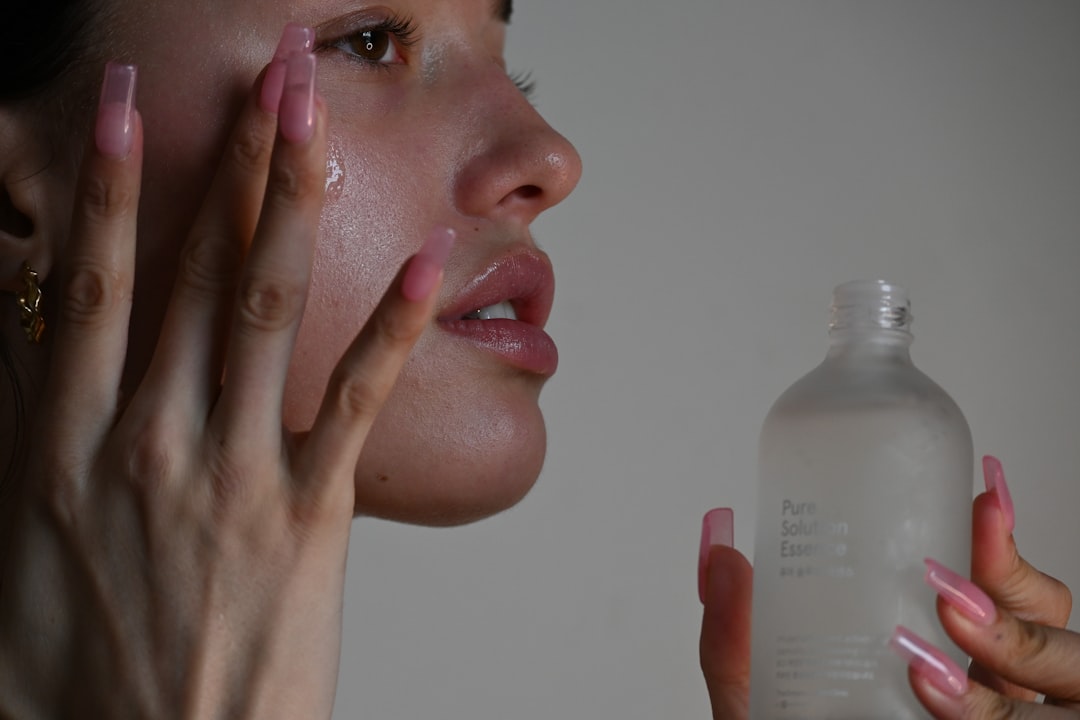
Sun protection is the single most impactful step in any daily skin care routine. Sunscreen must be reapplied every 2 hours when you are outdoors or after sweating. That means one morning application is never enough on an active day.
Here are the best skincare practices to build into your daily routine:
-
Use broad-spectrum SPF 30+ sunscreen every morning. Apply roughly a nickel-sized amount to your face alone. Reapply every two hours when outdoors.
-
Cleanse with a mild, non-stripping cleanser. Use lukewarm water and gentle circular motions. Avoid scrubbing.
-
Moisturize consistently. Choose a formula suited to your skin type. Apply while skin is still slightly damp to lock in hydration.
-
Pat your skin dry. Rubbing with a towel creates friction that irritates skin over time.
-
Avoid smoking. Smoking accelerates collagen breakdown and dulls skin tone noticeably.
-
Manage stress actively. Chronic stress raises cortisol, which triggers breakouts and speeds up skin aging.
Pro Tip: Apply your moisturizer within 60 seconds of washing your face. Skin absorbs hydration most effectively when it is still slightly damp.
These daily skincare habits are not complicated. Consistency matters far more than the number of products you use.
2. How to build a skincare routine for your skin type
Your skin type determines which products work and which ones backfire. Skin can change with age or season, so what worked two years ago may not work today. Reassessing your skin every few months keeps your routine effective.
Here is how to match your routine to your skin type:
-
Dry skin: Use a cream or lotion cleanser that does not foam. Look for moisturizers with ceramides, shea butter, or hyaluronic acid. These ingredients repair and reinforce the skin barrier.
-
Oily skin: Gel or foaming cleansers remove excess sebum without over-drying. Use a lightweight, oil-free moisturizer. Skipping moisturizer entirely makes oiliness worse, not better.
-
Combination skin: Use a gentle gel cleanser. Apply a lightweight moisturizer to oily zones and a richer cream to dry patches.
-
Sensitive skin: Fragrance-free, minimal-ingredient products reduce the risk of reactions. Physical sunscreens with zinc oxide and titanium dioxide are the best choice because they sit on top of skin rather than absorbing into it.
Pro Tip: If you are unsure of your skin type, wash your face, skip all products, and check your skin after 30 minutes. Tight and flaky means dry. Shiny all over means oily. Shiny only in the T-zone means combination.
Lifestyle factors also shape skin behavior. A low-glycemic diet, adequate sleep, and good hydration all support skin health from the inside out. No topical product fully compensates for poor nutrition or chronic sleep deprivation.
For a step-by-step approach to building your first routine, the beginner skincare checklist from QueenCompares walks you through each decision without the overwhelm.
3. Common skincare mistakes and how to avoid them
Most skin problems are not caused by missing a product. They are caused by doing the wrong things consistently. Correcting these errors often produces faster results than adding new products.
-
Over-cleansing or using hot water. Aggressive cleansing strips natural oils and damages your skin barrier. This increases sensitivity and triggers more oil production as your skin tries to compensate.
-
Skipping moisturizer on oily skin. Oily skin that skips moisturizer becomes dehydrated, which causes the skin to produce even more oil. A lightweight, non-comedogenic moisturizer solves this.
-
Applying sunscreen incorrectly. Using too little or failing to reapply leaves skin unprotected. Most people apply only 25–50% of the recommended amount.
-
Switching products too quickly. Skincare products take 6 to 12 weeks of consistent use to show visible results. Changing products every two weeks makes it impossible to know what is working.
-
Applying products in the wrong order. Products go on thinnest to thickest in consistency. Thick creams applied first block lighter serums from absorbing into skin.
Getting these basics right costs nothing and fixes the most common reasons routines fail.
4. Advanced skincare tips for acne, aging, and hyperpigmentation
Once your foundation is solid, targeted actives address specific concerns. The key is introducing them gradually so your skin adjusts without reacting.
-
Retinoids for anti-aging and acne. Retinoids increase cell turnover, reduce fine lines, and clear clogged pores. Dermatologists recommend starting retinoids 2–3 nights per week to manage initial dryness and redness, known as retinization. Increase frequency only after your skin tolerates it well.
-
Vitamin C serums for hyperpigmentation. A stable vitamin C serum applied in the morning brightens skin tone and boosts sun protection. Use it under sunscreen for best results.
-
Niacinamide for oily and acne-prone skin. Niacinamide reduces pore appearance, controls oil, and calms redness. It pairs well with most other actives without causing irritation.
-
Hydration from the inside out. Drinking adequate water and eating foods rich in omega-3 fatty acids supports skin elasticity and reduces inflammation.
-
Multi-functional products. Products combining antioxidants, ceramides, and hyaluronic acid deliver multiple benefits in one step. They simplify your routine and reduce the risk of ingredient conflicts.
Here is a quick reference for matching actives to concerns:
| Concern | Recommended Active | When to Apply |
|---|---|---|
| Fine lines and wrinkles | Retinoids | Evening only |
| Dull skin and dark spots | Vitamin C serum | Morning |
| Oiliness and enlarged pores | Niacinamide | Morning or evening |
| Dryness and barrier damage | Ceramides | Morning and evening |
| General antioxidant protection | Vitamin E | Morning |
Do not introduce more than one new active at a time. Wait at least two weeks between adding new ingredients so you can identify the cause if your skin reacts.
For a full guide to building a safe routine with actives, the safe skincare routine guide from QueenCompares covers each step clearly.
Key takeaways
Consistent sun protection, correct moisturizing, and gradual introduction of actives form the foundation of every effective skincare routine.
| Point | Details |
|---|---|
| Sun protection is non-negotiable | Apply SPF 30+ every morning and reapply every two hours outdoors. |
| Match products to your skin type | Dry skin needs ceramides; oily skin needs lightweight, non-comedogenic formulas. |
| Give products time to work | Most actives require 6–12 weeks of consistent use before visible results appear. |
| Layer products thinnest to thickest | Applying thick creams first blocks lighter serums from absorbing properly. |
| Introduce actives gradually | Start retinoids 2–3 nights per week to avoid barrier damage and irritation. |
Skincare simplicity is the strategy, not the shortcut
By Magdalena Kapuscinska
After years of testing routines and tracking results, the most consistent finding is this: simpler routines outperform complicated ones over time. People stick with them. Skin responds better when it is not constantly adjusting to new ingredients.
The advice I see ignored most often is moisturizing oily skin. People with oily skin are convinced that adding moisture will make things worse. The opposite is true. Dehydrated oily skin overproduces sebum as a defense response. A lightweight moisturizer breaks that cycle within a few weeks.
The other thing I have learned is that patience is genuinely hard to practice. We live in a world of fast results, and skincare does not work that way. Switching products every few weeks is one of the most common reasons people feel like nothing works for them. Commit to a routine for at least eight weeks before drawing any conclusions.
Sun protection remains the single most evidence-backed step in any routine. Not a serum, not a retinoid. Sunscreen. Daily use prevents the UV-induced damage that drives premature aging, hyperpigmentation, and skin cancer risk. If you do only one thing consistently, make it that.
Track how your skin responds over time. Take photos every two weeks in the same lighting. Skin changes slowly, and without a reference point, progress is invisible. Adapting your routine based on real observations beats following any generic prescription.
— Magdalena Kapuscinska
Find the right products with QueenCompares
Knowing what your skin needs is only half the work. Finding products that actually deliver on those needs is where most people get stuck.

QueenCompares gives you a side-by-side product comparison tool so you can evaluate formulas, ingredients, and safety ratings before you buy. The Ingredient Library breaks down what each ingredient actually does, which skin types it suits, and any known sensitivities to watch for. Whether you are building your first routine or refining an advanced one, the QueenCompares community and AI-powered tools help you choose with confidence. No guesswork, no wasted money on products that do not fit your skin.
FAQ
What are the three most important skincare steps?
Cleansing, moisturizing, and applying SPF 30+ sunscreen daily form the core of any effective routine. Dermatologists confirm these three steps are sufficient for most skin types.
How long does it take for skincare products to work?
Most skincare products take 6–12 weeks of consistent use to show visible results. Switching products before that window closes prevents you from seeing real progress.
Should oily skin types use moisturizer?
Yes. Skipping moisturizer on oily skin causes dehydration, which triggers more oil production. A lightweight, non-comedogenic moisturizer helps regulate oiliness over time.
How do I introduce retinoids without irritating my skin?
Start with retinoids 2–3 nights per week and increase frequency gradually as your skin adjusts. This approach manages the initial dryness and redness known as retinization.
What is the correct order to apply skincare products?
Apply products from thinnest to thickest consistency. Serums go before moisturizers, and moisturizers go before sunscreen. Thick products applied first block lighter formulas from absorbing.