AHAs exfoliate the skin's surface, brightening tone, smoothing texture, and softening fine lines. BHAs, mainly salicylic acid, dissolve into oil and unclog pores from the inside, making them the better pick for acne and congestion. If your main complaint is dullness or rough patches, reach for an AHA. If it's breakouts or blackheads, go BHA. Either way, sunscreen is non-negotiable.
TL;DR:
- AHAs are water-soluble and primarily improve skin brightness, texture, and fine lines by removing dead skin on the surface, but they increase sun sensitivity.
- Glycolic acid penetrates quickly and works well for skin texture and fine lines but may cause irritation, especially on reactive skin; lactic acid is gentler and hydrating, suitable for dry or sensitive skin.
- BHAs like salicylic acid are oil-soluble, penetrate deeply into pores, and are best suited for acne, blackheads, and reducing oil buildup, mainly benefiting oily and acne-prone skin types.
- Combining strong AHAs and BHAs raises irritation risk, so alternating use or targeting specific areas is recommended over stacking at full strength.
- A thorough label check for concentration and formulation, along with patch testing, is essential before adopting new exfoliating acids into your routine.
Table of Contents
- AHA vs BHA: What Alpha Hydroxy Acids Do
- Glycolic, Lactic, or Mandelic: Which AHA Fits Your Skin?
- What Is BHA, and Why Is Salicylic Acid the Go-To?
- AHA vs BHA Difference: Solubility, Results, and When to Combine
- Which Acid Should You Use for Your Skin Concern?
- How to Use AHAs and BHAs Without Overdoing It
- How to Choose the Right AHA or BHA Product
- Who's Behind This Guide, and How Queen Compares Helps You Choose
- The Real Problem With Most AHA vs BHA Advice
- Sources
- FAQ
AHA vs BHA: What Alpha Hydroxy Acids Do
Alpha hydroxy acids are water-soluble, which means they act mostly on the outermost layer of skin. They loosen the "glue" holding dead skin cells together, speeding up cell turnover and revealing fresher skin underneath. This surface-level action is exactly why AHAs have such a strong reputation for glow.
Used consistently, AHAs deliver a few reliable results:
- Brighter, more even-looking skin tone
- Smoother texture and fewer rough patches
- Softer appearance of fine lines over time
- A noticeable difference in how well moisturizers and serums absorb afterward
Because AHAs work by removing the outer layer of dead skin, they also thin the skin's natural defense against UV rays. Regulators require cosmetics containing AHAs to carry sun sensitivity warnings, so daily SPF isn't optional once you add one to your routine.
Glycolic, Lactic, or Mandelic: Which AHA Fits Your Skin?
Not all AHAs behave the same way, and the differences come down to molecule size. Smaller molecules penetrate faster and hit harder. Larger ones move more slowly, which usually means less irritation.
- Glycolic acid: the smallest and most potent AHA. Great for texture and fine lines, but also the most likely to cause stinging or redness on reactive skin.
- Lactic acid: gentler than glycolic and naturally hydrating, which makes it a solid entry point for lactic acid for beginners or anyone with dry, easily irritated skin.
- Mandelic acid: the largest molecule of the three, and research on molecular size and tolerability backs up why it's the go-to mandelic acid for sensitive skin, including deeper skin tones prone to dark marks.
Pro Tip: If you're comparing mandelic vs lactic acid and can't decide, start with lactic. It's the more forgiving of the two and still delivers visible smoothing within a few weeks.
What Is BHA, and Why Is Salicylic Acid the Go-To?
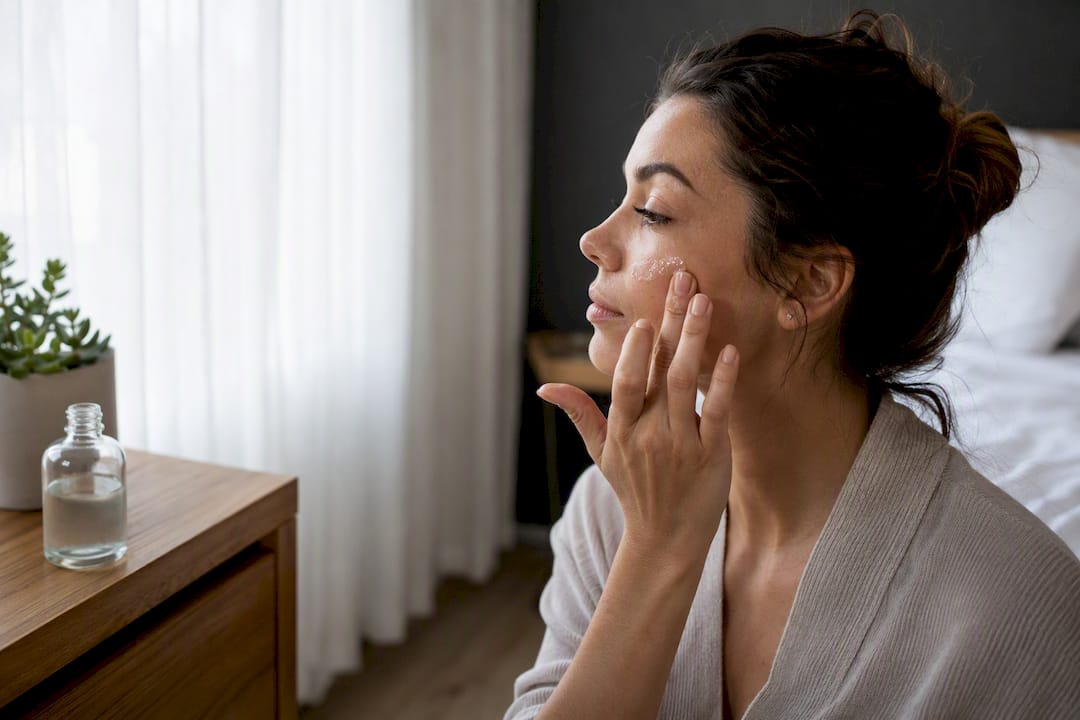
Beta hydroxy acids are lipid-soluble, meaning they dissolve in oil rather than water. That single trait is the whole story: it lets a BHA travel down into the pore lining, where sebum and dead skin build up and cause breakouts.
Salicylic acid is the BHA nearly every dermatology-adjacent guide points to first, and it earns that spot two ways:
- It clears out clogged pores and cuts down on blackheads and whiteheads
- It carries anti-inflammatory properties, related to its aspirin family origin, which calms the redness around active breakouts
That combination is why salicylic acid works so well for oily and acne-prone skin specifically. Dry or non-oily skin types generally don't need it as a core ingredient.
AHA vs BHA Difference: Solubility, Results, and When to Combine
The entire aha vs bha debate boils down to one variable: where each acid can travel. AHAs stay on the surface because they dissolve in water. BHAs slip into oil, so they reach places AHAs can't.
That difference shows up clearly in results:
- AHAs: better tone, smoother texture, softer fine lines
- BHAs: fewer clogged pores, less oil buildup, calmer active breakouts
- Clinical reviews of chemical exfoliants describe this split plainly: AHAs favor surface renewal, BHAs favor pore decongestion.
You don't have to pick one forever. Plenty of routines use both, just not stacked on the same night at full strength. Combining a strong AHA and a strong BHA in one application raises irritation risk substantially, so most people do better alternating them or using one in the morning and the other at night.
Which Acid Should You Use for Your Skin Concern?
Match the acid to the actual problem you're trying to solve, not to whatever's trending.
- Acne and congestion: BHA (salicylic acid) first. It's the ingredient built to get inside a clogged pore.
- Dullness, uneven tone, or fine lines: AHA, with glycolic for tolerant skin and lactic for anything drier or more reactive.
- Combination skin: zone-treat instead of choosing one acid for your whole face. Salicylic on the T-zone, a gentle AHA on drier cheeks, or alternate them by night.
- Darker skin tones: lean toward mandelic acid over glycolic. Its larger molecule size means less irritation, and less irritation means lower risk of post-inflammatory hyperpigmentation.
There's no single "winner" in the aha vs bha debate. Dermatology-adjacent sources consistently frame this as a match-the-ingredient-to-the-problem decision, not a strength contest between two acids.
How to Use AHAs and BHAs Without Overdoing It
Start low and slow, every time, even if the product claims a "gentle" formula. Patch test on your inner arm for 48 hours before applying either acid to your face, then introduce it two to three nights a week before working up to daily use.
- Concentrations vary widely by formulation, so check the label rather than assuming all 10% glycolic products behave the same
- Skip layering a high-strength AHA or BHA with retinoids or vitamin C on the same night; alternate them instead
- Watch for stinging that doesn't fade, flaking, or new redness. That's your cue to scale back or pause entirely
- If irritation persists past a week of rest, a dermatologist visit beats guessing
Sequencing matters as much as concentration. A practical routine structure often puts BHA in the morning for oil control and AHA at night for turnover, always followed by sunscreen the next day. And if your skin leans reactive or rosacea-prone, gentler acids and slower introduction matter even more, which is worth reading up on before you buy anything.
Pro Tip: pH and vehicle change how an acid behaves as much as concentration does. A 10% AHA in a low-pH, water-based toner can feel stronger than the same percentage in a cushioned, oil-based cream.
How to Choose the Right AHA or BHA Product
Reading a label well matters more than chasing a percentage on the front of the bottle. Look for the active ingredient's actual name, its listed concentration, and whether the product is a rinse-off cleanser or a leave-on serum or toner.
- Cleansers only touch your skin for a few seconds, so they buff without delivering deep exfoliation
- Leave-on serums and toners sit on the skin and do the real work over time
- pH isn't always listed, but a general rule holds: lower pH tends to mean stronger acid activity
Pairing an exfoliating acid with a hydrating ingredient like hyaluronic acid also helps offset the dryness that comes with regular use. Before adding anything new to your cart, running it through QueenCompares' Ingredient Checker tells you exactly what concentration and formulation you're working with, so you're not guessing at the label.
Who's Behind This Guide, and How Queen Compares Helps You Choose
This guide comes from Magdalena Kapuscinska, an evidence-based skincare writer for QueenCompares who translates dermatology research into decisions you can actually make at the shelf.
You don't have to take ingredient claims at face value. QueenCompares' Ingredient Library breaks down how AHAs and BHAs perform across formulations, while the Label Scanner flags concentrations and potential irritants before you commit to a purchase. Together, they turn "does this product actually work for my skin?" into a question you can answer in seconds, not weeks of trial and error.
The Real Problem With Most AHA vs BHA Advice
Most content on this topic treats it like a competition, as if one acid is objectively superior and the other is a runner-up. That framing misses the point entirely. AHAs and BHAs solve different problems because they're built differently at the molecular level, and no amount of marketing changes that basic chemistry.
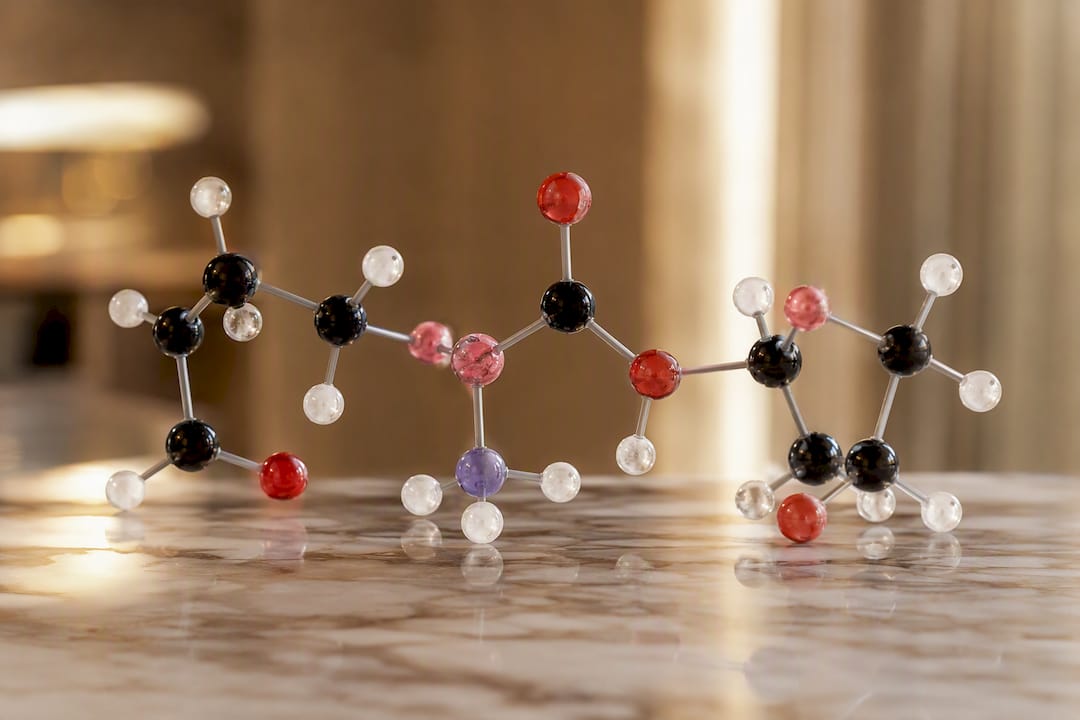
The advice I'd push back on hardest is the "just use both, every night" trend that's gained traction. Layering full-strength exfoliating acids without a plan is how people end up with a compromised skin barrier and worse, not better skin. If there's one thing worth prioritizing first, it's figuring out your actual problem before you touch your cart: congestion and breakouts point to salicylic acid, dullness and rough texture point to an AHA, and sensitive or deeper skin tones should lean toward mandelic acid over anything harsher.
Conventional wisdom also underrates formulation. Two products with the same listed percentage can behave completely differently depending on pH and vehicle. That's the detail worth checking before concentration.
— Magdalena Kapuscinska
Sources
- Guidance for Industry: Labeling Cosmetics Containing Alpha Hydroxy Acids — FDA
- Peer-reviewed review on chemical exfoliants — NCBI PMC
- Understanding the ingredients in skin care products — Cleveland Clinic
- Clinical dermatology review articles on exfoliants — NCBI PMC (related review)
FAQ
Does AHA Cause Skin Darkening?
AHAs don't darken skin directly, but they do increase sun sensitivity, and unprotected sun exposure after use can worsen dark spots. Daily sunscreen while using an AHA prevents this.
Is Salicylic Acid an AHA or a BHA?
Salicylic acid is a BHA. Its oil solubility lets it penetrate clogged, sebum-filled pores, which is exactly what makes it effective against acne and blackheads.
Which Toner Is Better for My Skin: AHA or BHA?
It depends on your primary concern. Choose an AHA toner for dullness and texture, or a BHA toner if oiliness and clogged pores are your bigger issue.
Which Is Better for Acne Scars: AHA or BHA?
AHAs, particularly glycolic and lactic acid, tend to work better on the discoloration and texture left behind by old acne scars, since that's a surface-level concern. BHAs remain the better choice for active breakouts themselves.