TL;DR:
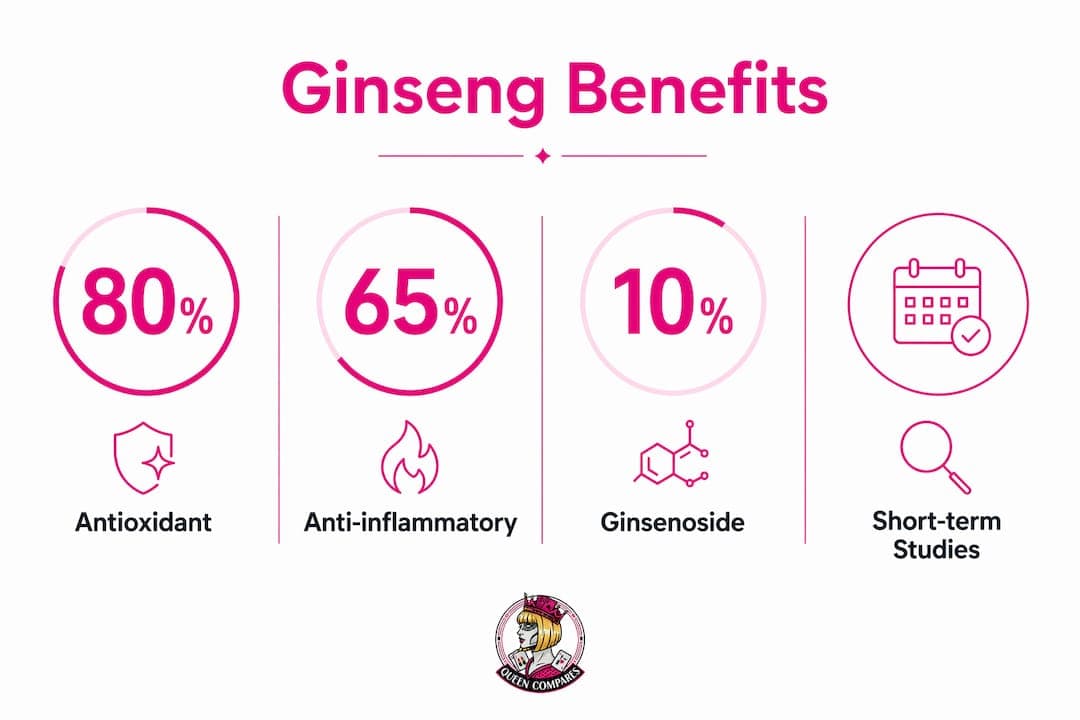
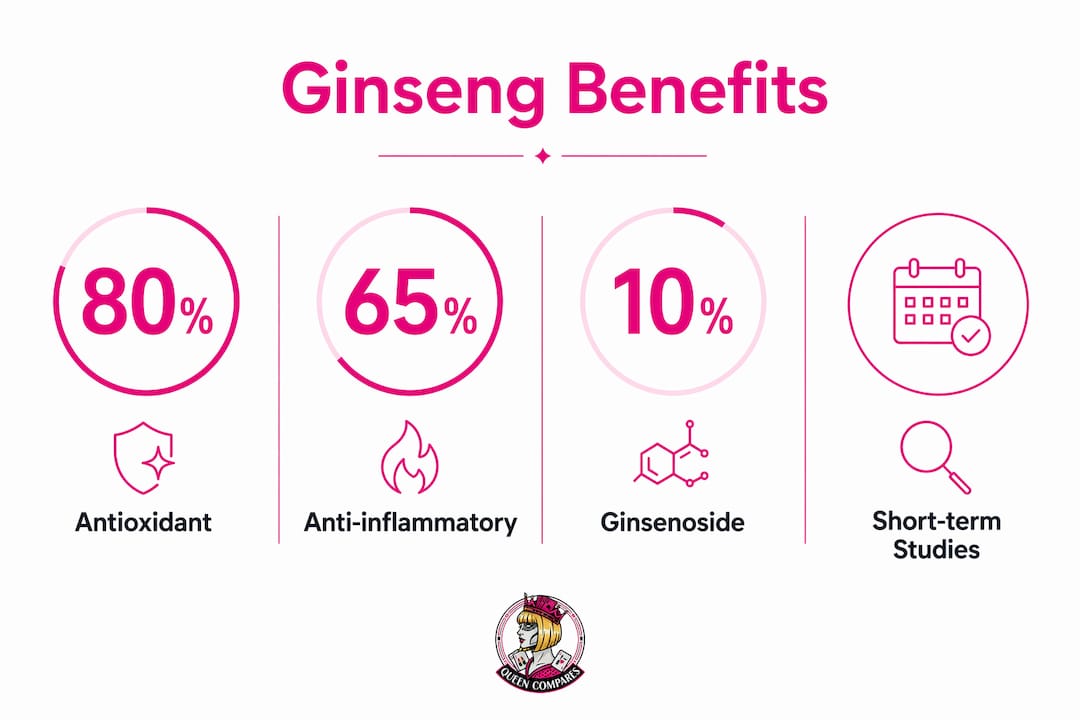
- Ginseng is a botanical ingredient valued in skincare for its antioxidant and anti-inflammatory properties. Different species and preparation methods, such as red or white ginseng, significantly affect potency and chemical profile. While generally safe for topical use, it is essential to verify product quality and consult healthcare providers if combining with medications or during pregnancy.
What is ginseng and why does it show up in so many skincare products?
Ginseng is a botanical ingredient derived primarily from Panax ginseng (Asian ginseng) and Panax quinquefolius (American ginseng), and it has earned a real place in modern skincare formulations. The root is the part most commonly used, packed with active compounds called ginsenosides that act as antioxidants and are theorized to help skin resist oxidative stress and early signs of aging.
Here is what you will typically see marketed about ginseng in beauty products:
-
Antioxidant protection: Ginsenosides neutralize free radicals that accelerate skin aging.
-
Adaptogenic effects: Ginseng is promoted as helping skin “adapt” to environmental stressors, though this claim remains under clinical investigation.
-
Skin vitality: Products often cite improved radiance and reduced dullness.
-
Anti-inflammatory potential: Early research links ginsenosides to reduced inflammatory markers in skin tissue.
-
Fatigue reduction: Some formulas target tired-looking skin, drawing on ginseng’s traditional use as an energy-supporting herb.
The FDA classifies ginseng as Generally Recognized as Safe (GRAS), which is why you see it freely used across serums, eye creams, and moisturizers.
Table of Contents
-
What does the science actually say about ginseng’s skin benefits?
-
How to evaluate ginseng skincare products for real safety and efficacy
Types of ginseng and how preparation changes what you get
Not all ginseng on a skincare label is the same, and the differences matter more than most product descriptions let on.
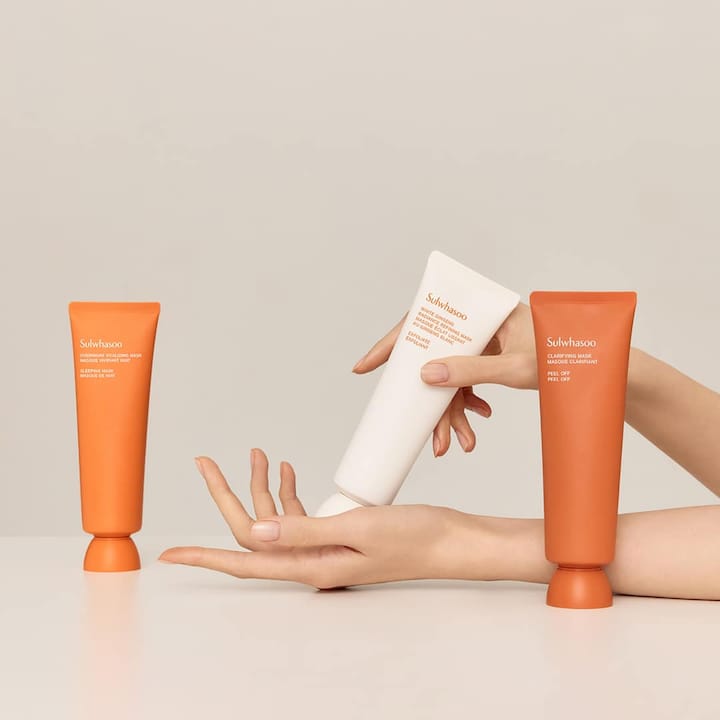
The two main species used in cosmetics are Asian ginseng (Panax ginseng) and American ginseng (Panax quinquefolius). Their active compounds differ: Asian ginseng contains ginsenosides (triterpenoid glycosides), while American ginseng contains panaxosides (saponin glycosides). American ginseng is generally considered milder.
Beyond species, preparation method creates another layer of distinction:
-
White ginseng: The root is peeled and air-dried. It retains a lighter chemical profile and is considered gentler.
-
Red ginseng: The root is steamed before drying. This process alters the ginsenoside composition, typically increasing potency and creating compounds not found in white ginseng.
-
Fresh ginseng root extracts: Less shelf-stable but used in some premium formulations for a broader compound range.
Red and white ginseng preparations are not different species. They are the same plant processed differently, which directly affects the chemical profile and potential efficacy in your skincare product.
Pro Tip: When reading an ingredient label, look for “Panax Ginseng Root Extract” (white) versus “Panax Ginseng Root Extract (Red)” or “Red Ginseng Extract.” The preparation type signals potency. If neither is specified, check the brand’s product page or use a label scanning tool to dig deeper.
What does the science actually say about ginseng’s skin benefits?
The research on ginseng is genuinely promising in some areas and still developing in others. Here is an honest breakdown.
Ginsenosides are the primary active compounds responsible for ginseng’s effects. They act as adaptogens, helping maintain homeostasis under stress, and they carry antioxidant and anti-inflammatory properties. Pharmacologists describe ginseng’s action as “nonspecific” and normalizing, meaning it tends to bring imbalanced systems back toward equilibrium rather than producing one targeted effect. That explains why ginseng shows up in research across so many different conditions.
Key finding: A 2023 review of 19 studies involving 2,413 participants found that Asian ginseng alone may have a small beneficial effect on general fatigue. For skincare, this supports the use of ginseng in products targeting dull, fatigued-looking skin.
What the evidence supports for topical and related use:
-
Antioxidant activity: Ginsenosides reduce oxidative stress, a primary driver of skin aging.
-
Anti-inflammatory effects: Research links ginsenosides to reduced inflammatory markers, relevant for reactive or stressed skin.
-
Cognitive and fatigue benefits (oral): Modest improvements in energy and cognitive function are documented, though most studies are under three months and involve fewer than 200 participants.
-
Skin vitality: General skin radiance claims align with ginseng’s antioxidant profile, though large-scale topical trials are still limited.
The honest caveat: most clinical trials on ginseng are small and short-term. Larger, longer studies are needed before definitive topical efficacy claims can be made. For skincare ingredients broadly, that level of nuance is exactly what separates informed shoppers from everyone else.
Is ginseng safe to use on your skin?
For most people, topical ginseng is well tolerated. Short-term oral use of up to six months appears safe for most adults. Topical safety is less studied, and rare cases of irritation or burning have been reported.
Key safety points to know:
-
Patch test first. Sensitive skin types should apply a small amount to the inner arm before full-face use.
-
Pregnancy and breastfeeding: Experts recommend against ginseng use during pregnancy. One chemical in ginseng has shown teratogenic effects in animal studies.
-
Children and infants: Not recommended.
-
Prolonged oral use: Extended high-dose use can lead to “ginseng abuse syndrome,” with symptoms including nervousness, insomnia, and elevated blood pressure. This applies to supplements, not typical topical concentrations.
-
Drug interactions: Ginseng affects coagulation and directly increases warfarin clearance, making coadministration a contraindication. It also interacts with MAOIs, antihypertensives, statins, and certain HIV medications.
-
Blood sugar: Ginseng may lower blood glucose, so people with diabetes should consult their healthcare provider before using ginseng supplements.
If you use prescription medications, tell your healthcare provider before adding any ginseng supplement to your routine. For topical products at standard cosmetic concentrations, the systemic risk is low but not zero.
How to evaluate ginseng skincare products for real safety and efficacy
Knowing ginseng is a good ingredient is only half the job. Finding a product that actually delivers it at a meaningful concentration is where most shoppers get stuck.
The FDA regulates ginseng supplements as food, not pharmaceuticals. That means quality control varies widely, and many commercial products contain little to no detectable active ingredient. Third-party certifications from organizations like USP or NSF verify that ginsenoside content matches what the label claims and reduce the risk of adulterated products.
Practical steps for evaluating any ginseng product:
-
Check ingredient placement. Ginseng listed near the bottom of an INCI list is present at a low concentration, likely below efficacy thresholds.
-
Look for standardized extracts. Labels that specify ginsenoside percentage (typically 4–10%) indicate a more controlled formulation.
-
Use the QueenCompares Ingredient Checker. This AI-powered tool evaluates ingredient safety, flags potential irritants, and gives you a clear picture of what is actually in your product.
-
Scan the label. QueenCompares’ Label Scanner reads full ingredient lists and cross-references safety data so you do not have to decode INCI names manually.
-
Read community reviews. Real experiences from other shoppers on platforms like QueenCompares give you signal that no ingredient database alone can provide.
-
Research the brand. Explore the QueenCompares ingredient library to compare ginseng formulations across brands side by side.
Pro Tip: A product listing “Panax Ginseng Root Extract” without specifying preparation type or ginsenoside percentage is a transparency gap. Use QueenCompares’ formula transparency guide to know exactly what questions to ask before you buy.
Ginseng pairs well with vitamin C (complementary antioxidant action), niacinamide (anti-inflammatory synergy), and hyaluronic acid (hydration support). Avoid layering it with high-concentration retinoids in the same step if your skin is sensitive, as the combination can increase irritation risk. For more on healthy beauty habits and building a routine that works, the QueenCompares community is a great place to start.

Ready to find ginseng products that actually deliver? Browse and compare ginseng-containing skincare on QueenCompares and let our community help you choose with confidence.
Key Takeaways
Ginseng is a well-studied botanical with real antioxidant and anti-inflammatory potential in skincare, but product quality and formulation transparency vary widely and require active verification.
| Point | Details |
|---|---|
| Ginsenosides drive the benefits | These active compounds give ginseng its antioxidant and adaptogenic properties relevant to skin health. |
| Red vs. white ginseng differ in potency | Preparation method, not species, determines chemical profile; red ginseng is generally more potent. |
| Topical safety is understudied | Short-term oral use appears safe for most adults; topical irritation is possible, especially on sensitive skin. |
| Drug interactions are real | Ginseng affects coagulation and interacts with warfarin, MAOIs, and several other medications. |
| Verify with third-party tools | USP or NSF certification and AI tools like the QueenCompares Ingredient Checker confirm actual ginsenoside content. |
FAQ
What does ginseng actually do for your skin?
Ginseng delivers antioxidant protection through ginsenosides, which help neutralize free radicals and may reduce inflammation. It is commonly used in products targeting dull, fatigued, or aging skin.
Is red ginseng better than white ginseng in skincare?
Red ginseng is more potent because steaming alters its ginsenoside profile, creating additional active compounds. White ginseng is gentler and may suit sensitive skin better.
Can ginseng cause a reaction on sensitive skin?
Topical ginseng can cause irritation or burning in rare cases, according to NCCIH. Always patch test before applying a new ginseng product to your full face.
How do I know if a ginseng skincare product is high quality?
Look for standardized extracts with a stated ginsenoside percentage (typically 4–10%), third-party certifications like USP or NSF, and use the QueenCompares Ingredient Checker to verify label accuracy.
Is ginseng safe to use during pregnancy?
No. Experts recommend against ginseng use during pregnancy, as one of its compounds has shown teratogenic effects in animal studies. Consult your healthcare provider before use.