TL;DR:
- K-beauty sunscreens combine SPF50+ PA++++ protection with lightweight, skin-friendly textures that encourage daily use. They feature advanced UV filters that work without leaving a white cast or greasy residue, improving consistency in sun protection habits. These formulas often include calming and hydrating ingredients, making them suitable for various skin types and compatible with makeup.
K-beauty sunscreens are advanced sun protection formulas that combine SPF50+ PA++++ ratings with lightweight, skin-nourishing textures designed to fit naturally into a multi-step skincare routine. Unlike conventional Western sunscreens, Korean cosmetic sunscreens use next-generation UV filters that deliver broad-spectrum UVA and UVB protection without the thick, chalky residue most people dread. The result is a category of products that people actually want to wear every day. Whether you’re new to Korean skincare sunscreen or refining your current SPF routine, this guide covers what sets these formulas apart, which products stand out, and how to choose the right one for your skin.
What makes K-beauty sunscreens different from the rest
The defining advantage of K-beauty sun protection is filter technology. Korean sunscreens use next-generation chemical UV filters such as Tinosorb S, Uvinul A Plus, and Uvinul T 150. These filters are not widely approved in the United States, which is why American formulas often feel heavier and leave more white cast.
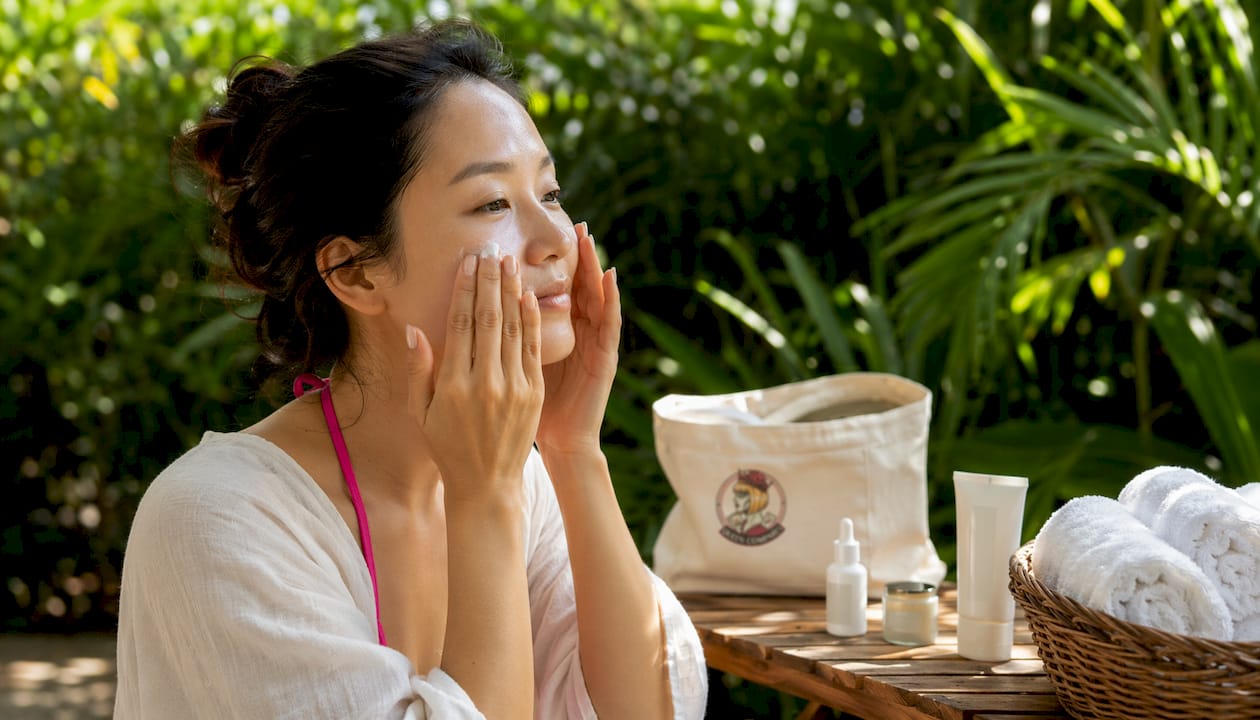
The sensory experience is central to Korean sunscreen design. Formulas feel like hydrating serums or light moisturizers, not sunscreen. That shift in texture is not cosmetic vanity. It directly increases how consistently people apply and reapply their SPF, which is the single biggest factor in real-world sun protection.
Key formulation features that set Korean cosmetic sunscreens apart:
-
Broad-spectrum filters with no white cast, suitable for all skin tones
-
Niacinamide for brightening and pore minimization
-
Centella asiatica for calming redness and irritation
-
Hyaluronic acid for lightweight hydration without greasiness
-
Non-comedogenic bases that work as final skincare steps or makeup primers
Pro Tip: If you want to understand exactly what’s in your sunscreen formula, use the ingredient safety checker at QueenCompares to scan UV filter names and skin-active ingredients before you buy.
Korean sunscreens also layer well under makeup and are non-greasy, making them appealing for anyone who wears foundation or tinted moisturizer daily. The finish is typically skin-like rather than shiny or powdery, which means your base sits better throughout the day.
10 top K-beauty sunscreens worth knowing
The following products represent the strongest options across different skin types, textures, and concerns. Each carries at least SPF50+ PA+++ protection, with most reaching the gold standard of SPF50+ PA++++.
1. Round Lab Birch Moisture Sun Cream SPF50+ PA++++ A cream formula built for dry and sensitive skin. Birch sap extract delivers deep hydration, and the finish is dewy without being greasy. Works beautifully as a moisturizer-sunscreen hybrid for morning routines.
2. IsNtree Hyaluronic Acid Fresh Sun Serum SPF50+ PA++++ A serum-weight formula that absorbs in seconds. Hyaluronic acid keeps skin plump throughout the day. Ideal for oily and combination skin types who want protection without any heaviness.
3. Innisfree Daily UV Defense Sunscreen Lotion SPF50+ PA++++Non-comedogenic and white-cast-free, this lotion works as a final skincare step in multi-stage routines. Suitable for face and body, making it a practical all-in-one option.
4. Beauty of Joseon Relief Sun: Rice + Probiotics SPF 50+ PA++++ One of the most talked-about formulas in the K-beauty community. Rice extract brightens, probiotics support the skin barrier, and the texture is silky without pilling under makeup. Works for all skin types.
5. Purito Daily Go-To Sunscreen SPF50+ PA++++ A clean formula with a minimal ingredient list. Centella asiatica calms reactive skin, and the finish is natural matte. A strong pick for anyone with acne-prone or sensitive skin who wants straightforward protection.
6. Skin1004 Madagascar Centella Hyalu-Cica Water-Fit Sun Serum SPF50+ PA++++ Centella asiatica and hyaluronic acid combine in a water-gel texture that feels cooling on application. Excellent for humid climates or anyone who finds traditional creams too heavy in summer.
7. Anua Heartleaf Airy Fit Sunscreen SPF50+ PA++++ Heartleaf extract soothes inflammation while the airy texture disappears into skin. This formula is particularly popular among people with rosacea or persistent redness.
8. Torriden Dive-In Mild Sunscreen SPF50+ PA++++ Five types of hyaluronic acid make this one of the most hydrating lightweight options available. The finish is semi-matte, and it layers cleanly under foundation without balling up.
9. Cosrx Aloe Soothing Sun Cream SPF50 PA+++ Aloe vera dominates this formula, making it one of the gentlest options for post-procedure or extremely sensitive skin. The PA+++ rating still provides strong UVA defense for daily urban use.
10. Dr. Jart+ Every Sun Day Mineral SPF50+ PA++++ The only mineral-based option on this list. Zinc oxide provides physical UV defense, and the formula is free of chemical filters entirely. Best for people with filter sensitivities or those who prefer mineral-only protection.
Dermatologists confirm that SPF 30+ and PA+++ is reliable for everyday protection. Choosing a texture you genuinely enjoy wearing matters more than chasing the highest possible rating, because consistent daily use beats occasional high-SPF application every time.
How to choose the right Korean sunscreen for your skin type
Choosing a K-beauty UV protection product starts with knowing your skin type and how your day actually runs. The wrong texture for your skin will feel uncomfortable, and you will stop wearing it.
| Skin Type | Best Format | Key Ingredients to Look For |
|---|---|---|
| Dry | Cream or lotion | Hyaluronic acid, ceramides, birch sap |
| Oily or combination | Serum or water-gel | Niacinamide, centella asiatica |
| Sensitive or reactive | Gentle cream or serum | Centella asiatica, aloe vera, minimal filters |
| Acne-prone | Non-comedogenic lotion | Niacinamide, minimal fragrance |
| All skin tones | Any format with no white cast | Tinosorb S, Uvinul A Plus |
Format matters beyond skin type. Creams and lotions are the most reliable choice for prolonged outdoor exposure. Sun serums and mists work best as midday reapplication tools, not as primary protection. If you spend most of your day indoors with occasional outdoor exposure, a serum-weight formula is perfectly adequate as your base layer.
Water resistance is worth checking if you exercise outdoors or live in a humid climate. Most K-beauty formulas are not water-resistant by American FDA standards, so reapplication after sweating is non-negotiable. For beach or pool days, look specifically for formulas labeled water-resistant, or plan to reapply every 40–80 minutes.
Pro Tip: If you wear foundation daily, look for formulas that double as makeup primers. K-beauty sunscreens function well as primers, so you can skip a separate primer step and keep your routine efficient.
Understanding how to build a layered skincare routine helps you place your sunscreen correctly. It always goes on last, after serums and moisturizer, and before any makeup.
Common myths and best application practices
The biggest misconception about lightweight Korean sunscreens is that a thin texture means weaker protection. Even lightweight K-beauty formulas achieve SPF50+ PA++++ using advanced chemical filters approved in Korea. Texture and protection level are independent of each other.
Application practices that maximize your SPF results:
-
Apply a generous, even layer. Most people use too little, which cuts the effective SPF significantly.
-
Pat rather than rub. Rubbing can leave gaps in coverage, especially around the nose and hairline.
-
Wait 60–90 seconds after moisturizer before applying sunscreen to avoid pilling.
-
Reapply every two hours during outdoor exposure, or after sweating heavily.
-
Use SPF mists for midday touch-ups over makeup, but remember they supplement rather than replace your morning application.
Reapplication mists require careful, even coverage to avoid patchy protection. They are supplements to your morning sunscreen, not replacements. For prolonged outdoor time, a cream reapplication is always more reliable than a mist alone.
The role of serums and mists in a sunscreen routine is supplemental, not foundational. Sun serums and mists do not create as uniform a UV shield as creams. Use a cream as your base every morning, then reach for a mist or serum format when you need a convenient midday refresh.
Key Takeaways
K-beauty sunscreens deliver SPF50+ PA++++ protection through advanced UV filters while maintaining lightweight, skin-nourishing textures that make daily use genuinely easy.
| Point | Details |
|---|---|
| Gold standard rating | SPF50+ PA++++ is the benchmark for top Korean sun protection formulas. |
| Filter technology | Tinosorb S and Uvinul filters enable broad-spectrum protection without white cast. |
| Format selection | Use creams as your base layer; reserve serums and mists for midday reapplication. |
| Skin type matching | Match formula texture to your skin type to build a habit you will actually maintain. |
| Consistent use wins | Wearing SPF 30+ PA+++ daily beats occasional SPF 50+ use every time. |
Why K-beauty sunscreen changed how I think about SPF
By Magdalena Kapuscinska
I spent years looking for sunscreen because every formula I tried left my skin looking greasy or left a gray cast that ruined my foundation. K-beauty sunscreens fixed that problem completely, and I want to be direct about why.
The first time I tried a Korean serum-weight SPF, I genuinely could not tell I was wearing sunscreen. That sounds like marketing copy, but it changed my behavior. I started applying every single morning without resistance, which is the only thing that actually matters for long-term skin health.
What I have learned after testing many formulas is that the ingredient list tells you more than the texture alone. Formulas with centella asiatica calm my skin noticeably on reactive days. Niacinamide versions have visibly evened my skin tone over months of consistent use. These are not bonus features. They are reasons to wear your SPF even when you feel lazy about it.
My honest advice: do not start with the most hyped formula. Start with the texture that matches your skin type, and check the skincare ingredients guide to understand what each active does before you commit. The best K-beauty sunscreen is the one you will reach for every morning without thinking twice.
— Magdalena Kapuscinska - Queencompares.com Founder
QueenCompares makes finding your perfect SPF easier
Choosing between dozens of Korean sunscreens is genuinely difficult when every formula claims to be lightweight and non-greasy. QueenCompares gives you a real way to cut through that noise.
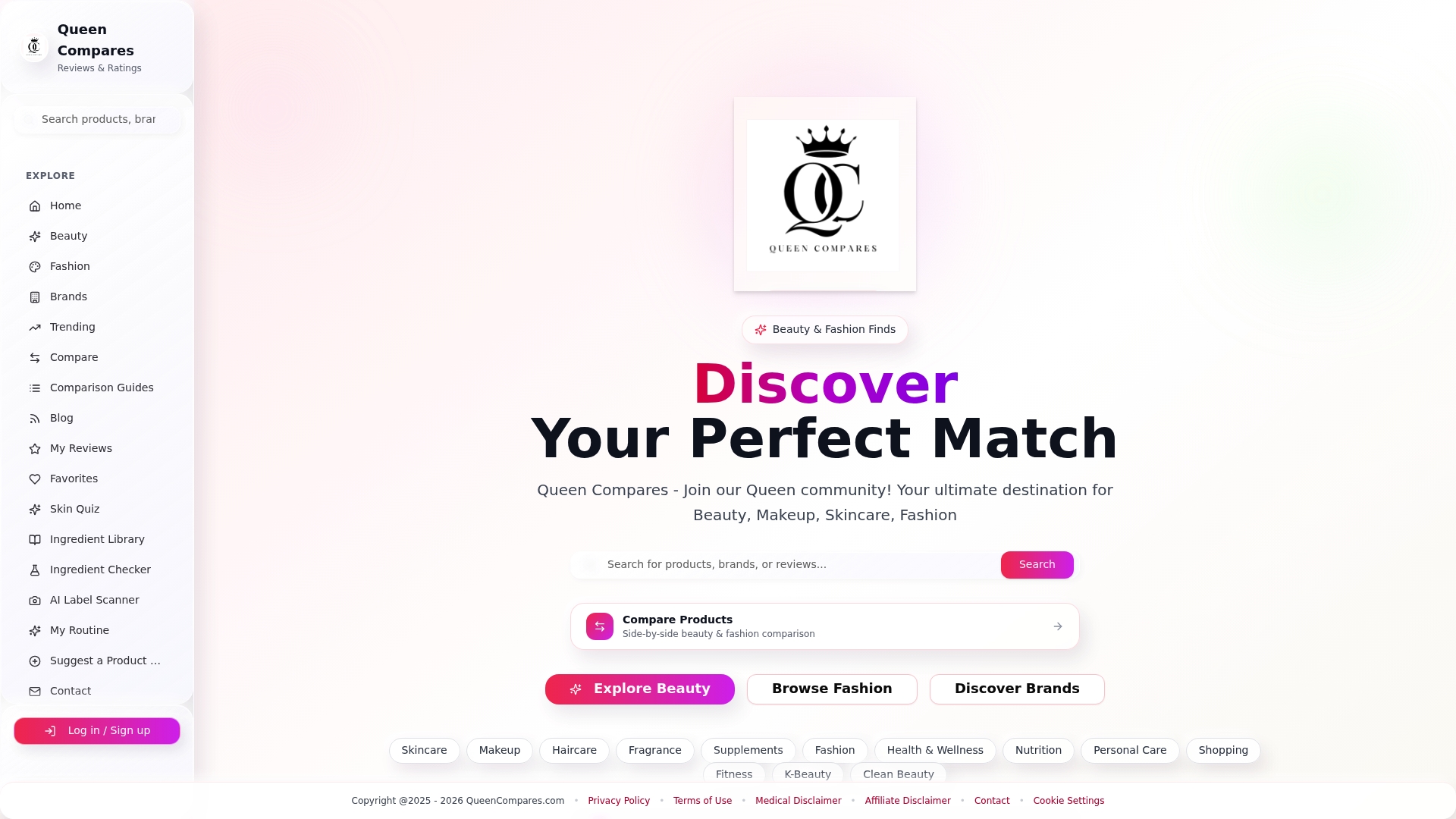
The platform lets you compare K-beauty products side by side, check ingredient safety ratings, and read community reviews from people with your skin type. The AI-powered Ingredient Checker and Label Scanner analyze UV filters and skin-active ingredients so you know exactly what you’re putting on your face. You can also browse by K-beauty brand to see full sunscreen lineups in one place. The QueenCompares community is here to help you find the SPF formula you will actually love wearing every day.
FAQ
What does PA++++ mean on a Korean sunscreen?
PA++++ is the highest UVA protection rating in the Korean and Japanese grading system. It indicates the broadest available defense against UVA rays, which cause skin aging and long-term damage.
Are K-beauty sunscreens safe for sensitive skin?
Most Korean sunscreens for sensitive skin use calming ingredients like centella asiatica and aloe vera alongside advanced UV filters. Formulas from brands like Purito and Anua are specifically formulated to minimize irritation.
Can I use a K-beauty sunscreen as a makeup primer?
K-beauty sunscreens function well as makeup primers because their lightweight, skin-like finish creates a smooth base. This makes them practical for daily routines where you want to skip a separate primer step.
How often should I reapply my Korean sunscreen?
Reapply every two hours during outdoor exposure or after heavy sweating. SPF mists are convenient for midday touch-ups over makeup, but a cream reapplication provides more reliable coverage for extended outdoor time.
Do lightweight Korean sunscreens actually protect as well as thick ones?
Yes. Lightweight K-beauty UV protection formulas achieve SPF50+ PA++++ using advanced chemical filters like Tinosorb S and Uvinul A Plus. Texture and protection level are independent, so a serum-weight formula can deliver the same SPF as a heavy cream.