TL;DR:
- Serum foundations in 2026 combine buildable coverage with skincare actives like niacinamide and hyaluronic acid. Top picks include Victoria Beckham The Foundation Drops and ILIA True Skin for sensitive skin, offering a skin-like finish and real skin benefits. Several build to medium or full coverage while maintaining a natural, luminous appearance.
The best serum foundations in 2026 are Victoria Beckham The Foundation Drops (best overall), ILIA True Skin Serum Foundation (best for sensitive skin) and ILIA Super Serum Skin Tint SPF 40, Chanel Les Beiges Water-Fresh Tint (best for oily skin), Givenchy Prisme Libre Glow Serum Foundation (best for dry skin and long wear), Pat McGrath Labs Skin Fetish: Sublime Perfection Foundation (best for mature skin), L’Oréal Paris True Match Nude Hyaluronic Tinted Serum (best budget pick), Ciele Tint & PROTECT SPF 50+ (best SPF option), and Natasha Denona Hy-Glam Foundation (best for fuller coverage with a glow). A full side-by-side comparison table and detailed notes follow below.
-
Victoria Beckham The Foundation Drops — skin-improving actives plus buildable, natural-finish coverage; multiple editorial roundups name it best overall.
-
ILIA True Skin Serum Foundation — niacinamide and allantoin, fragrance-free, dermatologist-tested; the go-to for reactive and sensitive skin.
-
ILIA Super Serum Skin Tint SPF 40 - A lightweight, multi-tasking tinted moisturizer that provides buildable coverage, broad-spectrum SPF 40 sun protection, and skin-nourishing ingredients for a natural, radiant finish. -
-
Chanel Les Beiges Water-Fresh Tint — water-based texture controls shine without stripping; ideal for oily and combination skin.
-
Givenchy Prisme Libre Glow Serum Foundation — micro-hyaluronic acid and ceramides with 48-hour hydration claims; 30 shades.
-
Pat McGrath Labs Skin Fetish: Sublime Perfection Foundation — resists settling into fine lines; a strong pick for mature skin needing coverage without creasing.
-
L’OréaL Infallible 32H Fresh Wear Foundation - A long-lasting, lightweight foundation designed to provide a natural, fresh look with up to 32 hours of wear, offering excellent coverage that resists sweat, humidity, and transfer for all-day confidence.
-
Ciele Tint & PROTECT SPF 50+ — high-SPF protection built into a tinted serum; the daily sun-protection pick.
-
Natasha Denona Hy-Glam Foundation — fuller coverage with a polished, luminous finish for days when you want more.
Table of Contents
-
What do the key ingredients in serum foundations actually do?
-
Shade-matching and inclusivity: what to check before you buy
-
QueenCompares makes ingredient research faster for beauty shoppers
What are the top serum foundations worth buying right now?
| Product | Best For | Coverage | Finish | Key Actives | SPF | Shade Range | Price Band | Longevity |
|---|---|---|---|---|---|---|---|---|
| Victoria Beckham The Foundation Drops | Dry / normal, best overall | Buildable light–medium | Natural | Skin-renewal complex | No | Limited | $$$$ | — |
| ILIA True Skin Serum Foundation | Sensitive / reactive skin | Medium, buildable | Natural–dewy | Niacinamide, allantoin | No | 30+ shades | $$$ | — |
| Chanel Les Beiges Water-Fresh Tint | Oily / combination | Sheer–light | Natural | Water-based, hydrating | No | Select shades | $$$$ | — |
| Dior Forever Skin Glow | Long-wear + luminous | Medium–full, buildable | Glow | Hydrating, smoothing actives | No | Wide range | $$$$ | — |
| Givenchy Prisme Libre Glow Serum Foundation | Dry–combination, hydration | Medium–full, buildable | Glow | Micro-HA, ceramides, yuzu | No | 30 shades | $$$$ | 24 hrs (brand claim) |
| Saie Glowy Super Skin Serum Foundation | Everyday natural finish | Light–medium | Dewy | Hydrating blend | No | Moderate range | $$$ | — |
| Ciele Tint & PROTECT SPF 50+ | Daily SPF + light coverage | Sheer–light | Natural | Tinted serum base | SPF 50+ | Select shades | $$$ | — |
| Gressa Skin Minimalist Corrective Serum Foundation | Minimal-ingredient seekers | Light–medium | Natural–satin | Corrective actives | No | Limited | $$$$ | — |
| Pat McGrath Labs Skin Fetish: Sublime Perfection Foundation | Mature skin / occasions | Medium–full, buildable | Radiant | Skin-smoothing complex | No | 36 shades | $$$$ | — |
| m.ph by Mary Phillips Le Skin | Dry skin, dewy finish | Light–medium | Dewy | Moisture-forward formula | No | Thoughtful range | $$$$ | — |
| Sweed Glass Skin Foundation | Glass-skin look | Medium, buildable | High-glow | Marine-derived hydrators | No | Select shades | $$$ | — |
| Natasha Denona Hy-Glam Foundation | Fuller coverage + glow | Medium–full | Luminous | Hydrating blend | No | Broad range | $$$$ | — |
| L’Oréal Paris True Match Nude Hyaluronic Tinted Serum | Budget / dry skin | Sheer–light | Natural–dewy | 1% hyaluronic acid | No | 14 shades | $ | — |
| Rituel de Fille 3-Drop Weightless Serum Foundation | Minimal makeup days | Sheer, buildable | Natural | Drop-dispense formula | No | Select shades | $$$ | — |
| Typology Tinted Serum | Clean beauty / light coverage | Sheer–light | Natural | Targeted actives, transparent formula | No | Select shades | $$ | — |
One thing worth calling out: the idea that serum foundations only deliver sheer tint coverage is a real misconception. Several options here, including Givenchy, Dior, Natasha Denona, and Pat McGrath Labs, build up to medium-to-full coverage while keeping a skin-like finish. The texture is lighter, but the pigment payoff can be genuinely substantial.
Victoria Beckham The Foundation Drops earns its best-overall position because it threads the needle between skin-improving actives and wearable, natural coverage. It’s the kind of formula that looks better on day two than day one as your skin adjusts. The finish reads as “your skin, perfected” rather than “foundation applied.”
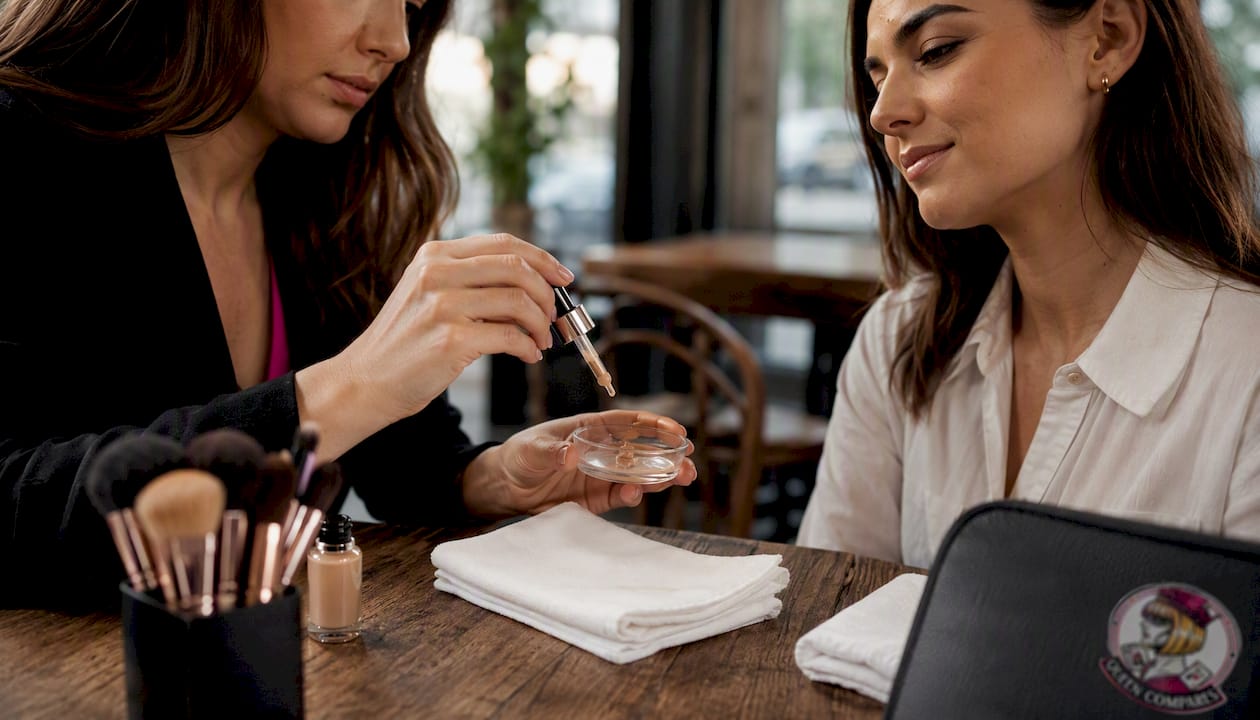
ILIA True Skin Serum Foundation is the sensitive-skin standout. Niacinamide supports barrier function and helps even tone over time, while allantoin soothes. No fragrance, dermatologist-tested, non-comedogenic — it checks every box for reactive skin without sacrificing a medium, buildable result.
Chanel Les Beiges Water-Fresh Tint is the oily-skin answer. Its water-based texture sits lightly on skin without feeding shine, and editorial guidance consistently recommends water-based tints for oily and combination types. The coverage is sheer, so pair it with a concealer if you need spot correction.
Givenchy Prisme Libre Glow Serum Foundation is the dry-skin workhorse of the group. The brand claims 24-hour wear, 48-hour hydration, and 30 shades, powered by micro-hyaluronic acid, ceramides, and yuzu extract. It’s also non-comedogenic and dermatologist-tested, which matters when you’re layering actives.
Dior Forever Skin Glow suits anyone who needs real staying power with a luminous result. The formula leans more traditional foundation in longevity while keeping the serum-like texture and a buildable medium-to-full finish.
Pat McGrath Labs Skin Fetish: Sublime Perfection Foundation is the mature-skin pick because it’s specifically formulated to resist settling into fine lines. The radiant finish reads youthful without looking overdone, and the 36-shade range gives you real options. For a deeper look at makeup for mature skin, the QueenCompares guide covers technique alongside product picks.
m.ph by Mary Phillips Le Skin brings editorial-testing credibility to the dry-skin category. Developed with makeup-artist input, it prioritizes a plush, moisture-forward finish that reads genuinely dewy rather than glittery.
Sweed Glass Skin Foundation leans into marine-derived ingredients for a high-glow, glass-skin effect. If you’re after that lit-from-within look with medium buildable coverage, this is the most direct route.
Natasha Denona Hy-Glam Foundation fills the gap for anyone who wants more coverage than a typical serum foundation delivers but still wants luminosity. It sits closer to a traditional foundation in pigment density while keeping a skin-like sheen.
L’Oréal Paris True Match Nude Hyaluronic Tinted Serum is the budget champion. At a fraction of the price of the luxury options, it delivers 1% hyaluronic acid in a lightweight, hydrating formula across 14 shades. It won’t replace a full-coverage foundation, but for everyday hydrated skin with a hint of color, it’s hard to beat at this price.
Rituel de Fille 3-Drop Weightless Serum Foundation is the precision pick. The drop-dispense format gives you exact control over how much product you use, which makes it ideal for minimal-makeup days when you want coverage exactly where you need it.
Typology Tinted Serum and Gressa Skin Minimalist Corrective Serum Foundation both appeal to ingredient-transparency shoppers. Typology leads with a clean, simple formula and a transparent ingredient list. Gressa takes a luxury minimalist angle with corrective actives and a breathable, satin-natural finish.
Saie Glowy Super Skin Serum Foundation rounds out the everyday category with a clean-leaning formula, a fresh dewy finish, and a wearable result that suits most skin types.
How do you choose the right serum foundation for your skin?
The right formula comes down to four honest questions you should answer before you click “add to cart.”
-
What’s your skin type? Oily skin does best with water-based, lightweight formulas like Chanel Les Beiges Water-Fresh Tint. Dry skin needs humectant-rich options like Givenchy or L’Oréal Paris True Match. Sensitive skin should prioritize fragrance-free, dermatologist-tested picks like ILIA.
-
How much coverage do you actually want? Serum foundations range from sheer tints to buildable medium-full. If you need spot coverage, pick a buildable formula and layer a concealer rather than reaching for a heavier base.
-
What finish suits your lifestyle? Dewy finishes photograph beautifully but can look shiny in humid conditions. Natural and satin finishes are more versatile. Check the finish type differences before committing.
-
Do you need SPF? Only Ciele Tint & PROTECT SPF 50+ integrates meaningful sun protection. If you rely on your foundation for SPF, this is your pick. All others require a separate sunscreen underneath.
Red flags to watch for: Heavy silicones in a formula can suffocate reactive skin. High oil content in a formula marketed for oily skin is a mismatch. And if your foundation is sliding or pilling, the issue is almost always formula incompatibility with your skincare — not the foundation itself.
In-store buying checklist:
-
Swatch on your jawline, not your hand
-
Check the swatch in natural daylight before deciding
-
Ask for a sample and wear it for at least 2–4 hours
-
Patch test any new formula on your inner arm if your skin is reactive
Pro Tip: When testing a buildable serum foundation, start with one to two drops and apply only to the center of your face. Wait 60 seconds, then assess. Layering more before the first coat settles is the fastest way to get pilling or unevenness.
What do the key ingredients in serum foundations actually do?
Not every ingredient on a label delivers the same benefit, and the difference between a trace amount and a functional concentration matters more than most brands admit.
-
Hyaluronic acid (standard) — a humectant that draws moisture to the skin’s surface. Delivers immediate plumping and hydration. L’Oréal Paris True Match leads with a 1% hyaluronic acid concentration, which is a meaningful level for a makeup product.
-
Micro-hyaluronic acid — molecules described as up to 15 times smaller than standard HA, allowing deeper epidermal penetration for more sustained hydration. Givenchy uses this in the Prisme Libre Glow Serum Foundation.
-
Niacinamide — brightens, minimizes pores, and supports the skin barrier over time. ILIA includes it specifically for sensitive and reactive skin. Long-term benefits build over weeks, not days.
-
Peptides — signal proteins that support collagen production and skin firmness. Benefits are cumulative; you won’t see a difference after one wear.
-
Ceramides — lipid molecules that reinforce the skin barrier and lock in moisture. Givenchy pairs them with micro-HA for a barrier-plus-hydration approach.
-
Glycerin — another humectant, often underrated. Works alongside hyaluronic acid to maintain surface hydration throughout wear.
-
Antioxidants (e.g., yuzu extract, green tea) — protect against environmental stressors. Yuzu appears in Givenchy’s formula; green tea is common in SPF-forward formulas.
The honest reality on ingredient claims: Many brands combine active skincare ingredients with pigments and film-formers to deliver longer wear. Whether the concentration of actives is high enough to produce measurable skin improvement depends on the formula, not just the ingredient name on the label. Check whether a brand publishes concentration levels or clinical data before trusting a “skin transformation” claim. Quick visible benefits: hyaluronic acid, glycerin (immediate hydration), niacinamide (pore appearance within weeks). Long-term improvements: peptides, ceramides, antioxidants (weeks to months of consistent use).
For a deeper breakdown of how these actives pair with hydrating serums and peptide combinations, the Copper Peptides Store covers the science in detail.
How do you apply serum foundation for the smoothest finish?
Application technique shapes the final result more than small differences between formulas. Here’s the sequence that works.
-
Complete your skincare routine first. Moisturizer, SPF, primer — apply everything and wait at least 60–90 seconds for each layer to absorb. Rushing this step is the primary cause of pilling.
-
Dispense 1–3 drops (or a pea-sized amount for pump formulas) onto the back of your hand. Less than you think you need is the right starting point.
-
Apply to the center of your face first — nose, cheeks, forehead — then blend outward. This gives the most coverage where you need it and a natural fade at the edges.
-
Choose your tool by finish: fingers warm the formula and create the most skin-like melt; a damp beauty sponge gives a natural, diffused result; a dense brush builds more coverage and a slightly more polished look.
-
Build in thin layers. Let the first layer settle for 30 seconds before adding a second. Stacking too much at once causes the formula to move and streak.
-
Spot-conceal after, not before. Apply your serum foundation first, then use a concealer only where you still need it. This prevents over-application and keeps the overall finish light.
Pro Tip: To prevent pilling, avoid applying serum foundation over a silicone-heavy primer or a thick occlusive moisturizer. Water-based skincare layers under water-based foundations; oil-based layers under oil-based formulas. Mixing the two is where most pilling problems start.
For a full walkthrough on makeup layering technique, the QueenCompares beginner’s guide covers every step from skincare prep to setting spray.
Shade-matching and inclusivity: what to check before you buy
Getting the right shade matters as much as picking the right formula. A mismatch in undertone reads immediately, even with sheer coverage.
Shade-matching checklist:
-
Compare swatches on your jawline, not your wrist — your face and neck are the reference points that matter.
-
Identify your undertone: warm (yellow/golden), cool (pink/blue), or neutral. Check the inside of your wrist in natural light — blue-green veins suggest cool; green suggests warm; a mix suggests neutral.
-
Always check a swatch in natural daylight. Store lighting is almost always too warm or too yellow.
-
Photograph the swatch with your phone in natural light. The camera catches oxidation and undertone shifts that your eye misses in-store.
-
If a brand offers a virtual try-on tool, use it as a starting point, then confirm with a physical swatch.
Evaluating shade inclusivity: Givenchy offers 30 shades with a stated undertone spread. Pat McGrath Labs covers 36 shades. ILIA offers 30+. L’Oréal Paris True Match covers 14 shades, which is narrower but still covers a reasonable range at the drugstore level. When a brand lists fewer than 20 shades, check whether the deepest shades include warm, cool, and neutral undertones — a small range can still be inclusive if the undertone spread is thoughtful.
Sample testing: Request samples wherever possible and wear them for a full 2–6 hours before deciding. Serum foundations can oxidize slightly as they set, and the finish at hour four is more representative than the finish at application.
How to vet ingredient claims using QueenCompares tools
Knowing which ingredients are in a formula is one thing. Knowing whether they’re safe for your skin, present at meaningful levels, and free of common irritants is another. Here’s a practical way to approach it.
-
Paste the ingredient list into QueenCompares’ Ingredient Library. The tool flags potential irritants, allergens, and comedogenic ingredients so you can see at a glance whether a formula suits your skin profile.
-
Use the Label Scanner on product packaging. Scan the label directly and get a breakdown of what each ingredient does, along with any safety notes.
-
Check for common irritants: fragrance (listed as “parfum” or “fragrance”), essential oils, alcohol denat., and certain preservatives (like methylisothiazolinone) are the most frequent culprits for reactive skin. ILIA’s fragrance-free formulation is a direct response to this concern.
-
Watch for comedogenic oils: coconut oil, cocoa butter, and certain algae extracts can clog pores for acne-prone skin. A non-comedogenic claim on the label is a good sign, but running the full ingredient list through a checker gives you more confidence.
-
Verify active concentrations: if a brand claims “niacinamide-powered” or “hyaluronic acid-infused” but doesn’t publish a percentage, the ingredient may be present at a trace level. Look for brands that publish clinical data or concentration levels.
“Serum foundations should be approached as makeup-first products that bring measurable skincare benefits over time, not replacements for daily serums or active treatments.” — Allure
The QueenCompares ingredient safety guide and the formula transparency evaluation are both worth bookmarking alongside any product research.
Key Takeaways
The strongest serum foundations combine real pigment payoff with functional skincare actives — the best picks deliver both without sacrificing wear time or finish quality.
| Point | Details |
|---|---|
| Match formula to skin type | Water-based tints for oily skin; humectant-rich formulas (micro-HA, glycerin) for dry skin; fragrance-free for sensitive. |
| Coverage is buildable, not just sheer | Options like Givenchy, Dior, and Pat McGrath Labs build to medium-full coverage while keeping a skin-like finish. |
| Ingredient claims need verification | Actives like niacinamide and peptides deliver results only at functional concentrations; check whether brands publish clinical data. |
| SPF requires a dedicated pick | Only Ciele Tint & PROTECT SPF 50+ integrates meaningful sun protection; all others need a separate sunscreen underneath. |
| QueenCompares simplifies the vetting | Use the Ingredient Library and Label Scanner at QueenCompares to flag irritants, allergens, and comedogenic ingredients before you buy. |
The serum foundation category rewards skepticism
The marketing around serum foundations is genuinely exciting, and a lot of it is earned. These formulas have gotten better. The texture innovation is real, the ingredient integration is more sophisticated than it was five years ago, and the best picks genuinely do leave skin looking better at the end of the day than a traditional foundation would.
But there’s a gap between what the category promises and what it reliably delivers, and it’s worth naming directly. The “skin transformation” language that surrounds many of these products implies that wearing a foundation will replace the work of a dedicated skincare routine. It won’t. Niacinamide at a functional concentration in a serum foundation will support your barrier and help even tone over weeks of consistent use. Peptides at a trace level in a film-former-heavy base are largely decorative. The difference matters, and most brands don’t make it easy to tell which is which.
The picks in this guide were evaluated on performance first: finish, wear time, coverage buildability, and formula compatibility. Skincare claims were treated as a secondary benefit to verify, not a primary reason to buy. That’s the right order of operations. A foundation that pills at hour three, oxidizes to orange, or breaks out your skin is not redeemed by having hyaluronic acid in the formula.
The other thing worth saying: application technique accounts for more of your result than most people realize. The same formula applied with fingers versus a damp sponge versus a dense brush produces three noticeably different finishes. Serum foundations reward precision. Start with less product than you think you need, build in thin layers, and let each layer settle. That discipline produces the second-skin effect the category promises.
QueenCompares makes ingredient research faster for beauty shoppers
Choosing between 15 serum foundations is genuinely hard when every brand leads with “skin-first” claims and a beautiful finish photo. The real differentiator is what’s actually in the formula and whether it’s safe for your skin.

QueenCompares’ Ingredient Library and Label Scanner let you paste or scan any foundation’s ingredient list and get an instant breakdown: safety flags, allergen alerts, comedogenic ratings, and plain-English explanations of what each ingredient does. No chemistry degree required. You can also browse and compare products side by side to see how formulas stack up on the actives that matter to your skin. Paste the ingredient list from any of the picks in this guide, check for your known sensitivities, and shop with confidence. Start your ingredient check at QueenCompares today.
Sources and further reading
The claims and product details in this guide draw from brand pages, editorial roundups, and ingredient authority sources. Here are the primary references for your own research:
-
PRISME LIBRE GLOW SERUM: Hydrating Glow Foundation | Givenchy Beauty — brand claims on micro-hyaluronic acid, 24-hour wear, 48-hour hydration, and 30 shades.
-
True Skin Serum Foundation | ILIA Beauty — formulation details, niacinamide and allantoin, dermatologist-tested status.
-
True Match Nude Hyaluronic Tinted Serum | L’Oréal Paris — 1% hyaluronic acid, 14 shades, formula compatibility notes.
-
7 Best Serum Foundations for Hydrated, Skin-Like Coverage | Allure — editorial roundup, skin-type matching guidance, and application technique notes.
-
QueenCompares Ingredient Library — ingredient safety checks, allergen flags, and comedogenic ratings for any beauty formula.
FAQ
Are serum foundations actually good for your skin?
Serum foundations deliver real skincare benefits when they contain functional concentrations of actives like niacinamide, hyaluronic acid, or ceramides. They work best as makeup-first products that support skin over time, not as replacements for a dedicated skincare routine.
Which serum foundation works best for mature skin?
Pat McGrath Labs Skin Fetish: Sublime Perfection Foundation is the top pick for mature skin because it’s formulated to resist settling into fine lines while keeping a radiant finish. Givenchy Prisme Libre Glow Serum Foundation is a close second for its 48-hour hydration claims and blurring effect.
What is the best budget serum foundation?
L’Oréal Paris True Match Nude Hyaluronic Tinted Serum is the strongest drugstore option, with 1% hyaluronic acid, 14 shades, and a lightweight hydrating formula at a fraction of the price of luxury picks.
Do serum foundations only give sheer coverage?
No. Several top serum foundations, including Givenchy Prisme Libre, Dior Forever Skin Glow, Natasha Denona Hy-Glam, and Pat McGrath Labs Skin Fetish, build to medium-to-full coverage while keeping a skin-like finish. The texture is lighter, but the pigment payoff can be substantial.
How are serum foundations different from tinted moisturizers?
Serum foundations carry higher pigment loads and more targeted skincare actives than tinted moisturizers, which are primarily moisturizers with a hint of color. Serum foundations behave like foundations in terms of coverage and wear time, with a lighter, more fluid texture.