If your veins look blue or purple on your inner wrist, silver jewelry looks better against your skin, and white paper makes your complexion look pinkish, you have cool undertones. If your veins lean green, gold jewelry flatters you more, and white paper makes your skin look sallow or golden, you have warm undertones. Land somewhere in between on both? You’re probably neutral or olive, and that’s where the draping test earns its keep.
Here’s the fastest way to check right now:
-
Vein test (10 seconds): Look at the veins on your inner forearm in natural light. Blue or purple means cool, green means warm, and a mix of both usually points to neutral or olive.
-
Jewelry test (10 seconds): Hold a gold item and a silver item against your jawline. Gold that makes your skin glow suggests warm; silver that does the same suggests cool. Both looking equally good is a neutral signal.
If these two tests give you conflicting answers, don’t guess. Move on to the draping test, which is the method professional colorists actually rely on, and it settles the argument in a way a two-second wrist glance never will.
Key Takeaways
Undertone identification works best when you combine at least two tests, prioritize draping as the tiebreaker, and always swatch foundation on your jawline in natural light.
| Point | Details |
|---|---|
| Run two quick tests first | Check veins and jewelry together since they take under a minute and usually agree. |
| Use draping to break ties | When vein and jewelry tests conflict, drape four to six fabric swatches under your chin in daylight. |
| Swatch on the jawline, not your hand | The correct foundation shade blends invisibly into your neck; a mismatch leaves a visible line. |
| Trust your eyes over brand labels | W/C/N labeling varies by brand, so a visual match matters more than the letter on the box. |
| Screen formulas before you buy | Use tools like the Ingredient Checker to flag allergens before ordering samples across shade families. |
Table of Contents
-
What Are Undertones in Makeup, and How Do They Differ From Skin Tone?
-
Using QueenCompares Tools to Confirm Shade Families and Formulas
What Are Undertones in Makeup, and How Do They Differ From Skin Tone?
Undertone is the color beneath your skin’s surface, and it doesn’t change. Surface skin tone is what you see day to day: it shifts with sun exposure, seasons, and even the last time you got a facial. You can get a tan in July and pale out by January, but your undertone, whether warm, cool, neutral, or olive, stays exactly the same your whole life. That permanence is why undertone, not surface tone, should drive your foundation and color cosmetic choices, since undertones are genetic and don’t fluctuate the way surface color does.
Here’s how the four categories typically show up:
-
Warm undertones lean yellow, peachy, or golden, and often show green veins and a golden glow with gold jewelry.
-
Cool undertones lean pink, red, or bluish, and often show blue or purple veins with a boost from silver jewelry.
-
Neutral undertones sit right between warm and cool, showing veins that are hard to categorize and looking equally good in gold and silver.
-
Olive undertones carry a greenish or golden gray cast and frequently mix cool and warm pigment underneath, which is why olive skin confuses more tests than any other category.
Undertone matters because a foundation, blush, or lipstick that fights your undertone doesn’t just look “off.” It creates a visible mismatch, an ashy cast, an orange tint, or a grayish film that no amount of blending fixes. Makeup pros describe this directly: choosing the wrong undertone means the product will fight your actual skin color instead of blending into it. Once you know your category, every other decision, from concealer to eyeshadow, gets dramatically easier.
Five Practical At-Home Tests to Find Your Undertone
No single test nails it every time. Makeup artists and colorists recommend running at least two, ideally combining a quick check with the draping method for confirmation, because lighting and temporary skin changes can throw off any one method on its own. Here’s how to run each one properly.
-
Vein test. Look at the underside of your wrist or inner forearm in daylight, not artificial light. Blue or purple veins point to cool undertones. Green veins point to warm. If you genuinely can’t decide, or your veins look teal or blue green, you’re likely neutral or olive.
-
Jewelry test. Hold gold and silver fabric or jewelry against your jawline, one at a time. Which one makes your skin look brighter and more alive? Gold winning means warm, silver winning means cool, and a toss up means neutral.
-
White paper or cloth test. Hold a piece of pure white printer paper (not cream or off-white) next to your bare face in natural light near a window. If your skin looks pink or rosy against it, you’re cool. If it looks yellow or golden, you’re warm. Off-white or ivory paper will skew your read, so stick to true white.
-
Sun-reaction test. Think about how your skin responds to sun exposure. Skin that tans easily and rarely burns often leans warm. Skin that burns quickly and tans slowly, if at all, often leans cool. This test is the least reliable on its own since sunscreen habits, medication, and skin conditions all interfere, so treat it as a tiebreaker, not a verdict.
-
Draping test. This is what professional color analysts actually use, and you can do a simplified version at home. Gather four to six fabric swatches or solid-colored tops: a true gold and a silver, a warm coral and a cool fuchsia, a warm orange red and a cool blue red. Drape each one under your chin near a window, one at a time, and watch what happens to your face. Fabrics in your undertone family will make your skin look brighter and more even; fabrics outside your undertone family will make you look tired, sallow, or washed out.
Pro Tip: Test with fabric colors that are saturated, not pastel, and always check them within an hour of natural daylight, since both artificial bulbs and late afternoon sun cast a yellow or blue tint that skews every result.
Run the vein and jewelry tests first since they take under a minute combined. If they agree, you likely have your answer. If they don’t, or you suspect you’re olive, the draping test is worth the extra five minutes.
How Undertones Shape Every Makeup Choice You Make
Once you know your undertone, translating it into product picks gets straightforward. Foundation is the biggest one: brands typically label shades with a letter, W for warm, C for cool, N for neutral, but those labels vary wildly from brand to brand, so treat the letter as a starting point, not gospel. The real test is whether a shade seems to disappear into your jawline instead of sitting on top of it like a mask.
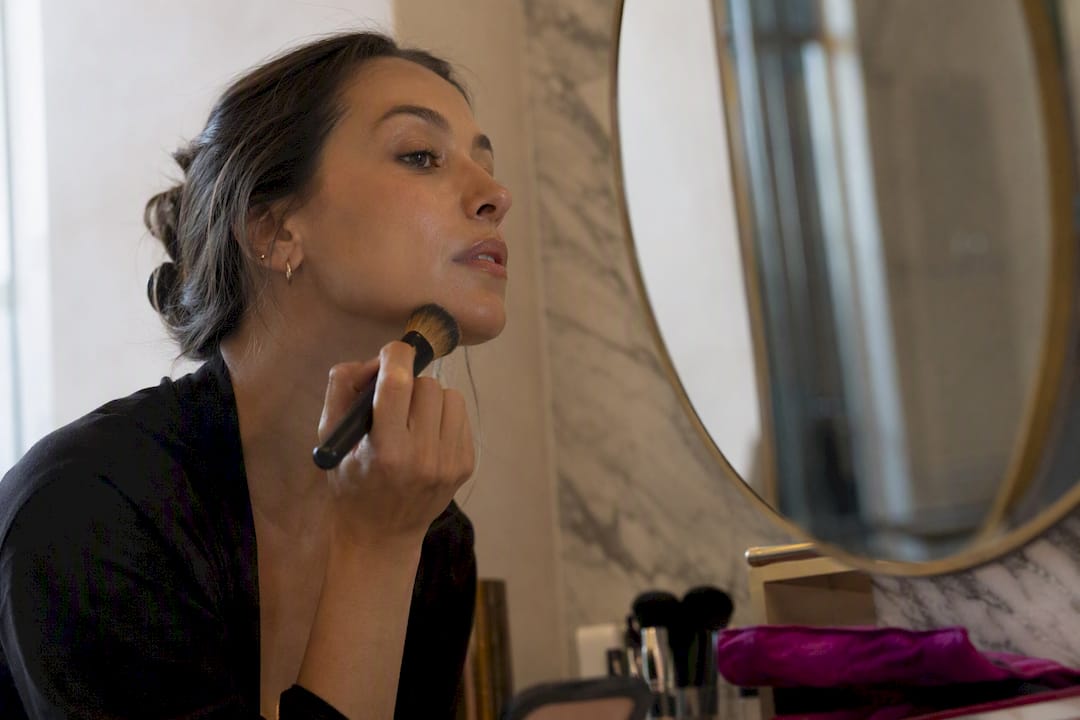
Concealer and color correction follow undertone logic too. Color correctors work by canceling out a specific tone: green cancels redness (handy for anyone, but especially warm and neutral skin dealing with irritation), peach and orange correctors cancel blue and purple discoloration under the eyes on medium to deep skin, and lavender correctors brighten sallow, yellow toned dullness common in warm undertones.
Blush and bronzer split cleanly by category:
-
Warm undertones look best in peachy corals, terracotta, and warm brown bronzers.
-
Cool undertones shine in cool pinks, berry tones, and rosy mauve blush.
-
Neutral undertones can wear almost anything, but a rosy peach hybrid is the safest bet.
-
Olive undertones often do best with brick, warm rose, or muted terracotta, since a too cool pink can look chalky against olive’s green cast.
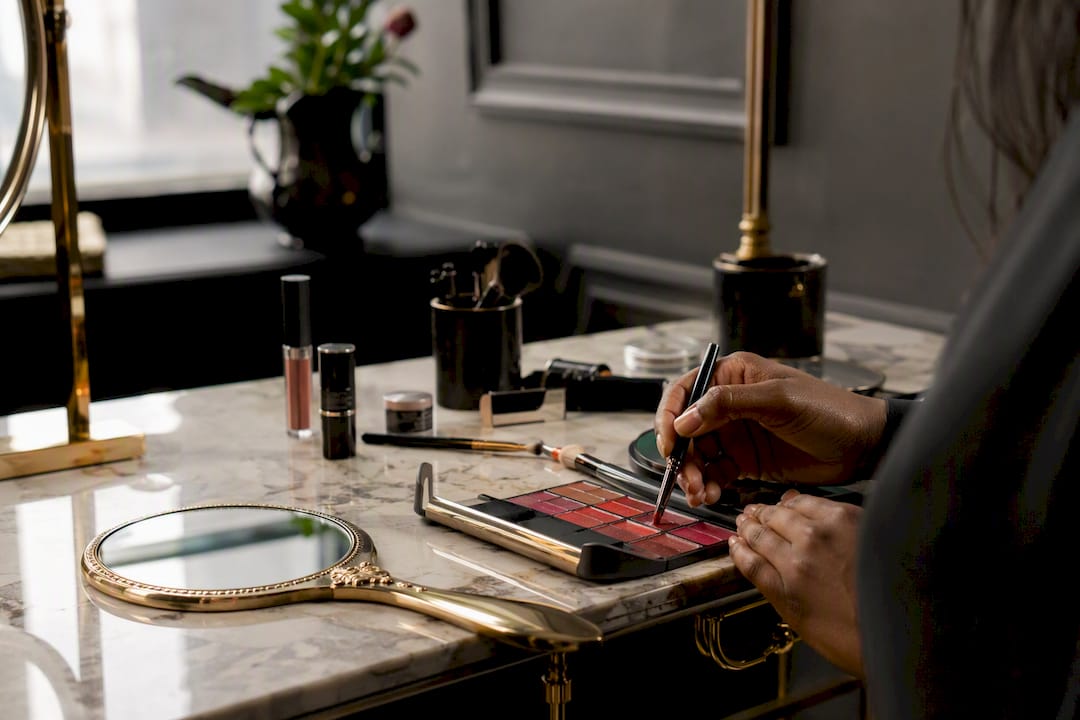
Lipstick works the same way. Warm undertones tend to look richer in brick reds, coral, and warm nudes with a peachy base. Cool undertones tend to look sharper in berry, blue-based reds, and mauve. A makeup artist’s rule of thumb applies here too: pick a blush or lip shade in your own undertone family, and go slightly deeper than your natural skin intensity rather than lighter, which tends to look chalky instead of natural.
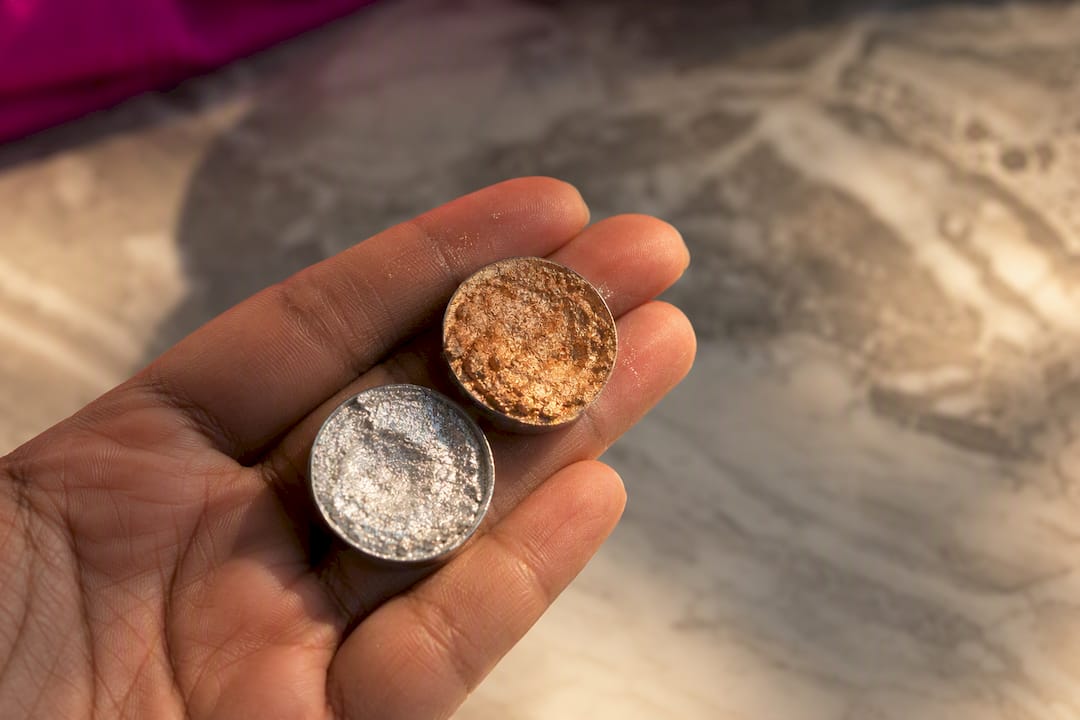
Eyeshadow and metallics follow the same gold versus silver logic as the jewelry test. Warm undertones usually glow in gold, bronze, and copper shadows. Cool undertones tend to pop more in silver, pewter, and cool taupe. Olive skin is the interesting exception: because olive often carries both warm and cool pigment, many olive-toned people find they can wear both metals, sometimes favoring a warm gold with a green or khaki undertone specifically, since it plays off olive’s natural green cast instead of fighting it.
How to Swatch and Match Your Foundation the Right Way
Skip the back of your hand. Your jawline is where foundation actually needs to blend, since that’s the transition point between your face and neck, and it’s the spot every colorist and makeup artist checks first.
-
Apply two or three swatches along your jawline, spaced about an inch apart, using shades you think are close based on your undertone research.
-
Blend each one down into your neck with a damp sponge or your fingertip. The correct shade will visually disappear, leaving no visible line between face and neck. A shade that’s wrong will sit as a distinct stripe, even after blending.
-
Step into natural light, ideally near a window, and look again. Indoor store lighting is notoriously yellow or fluorescent and will trick you into picking the wrong shade almost every time.
-
Take a photo in daylight with your phone. Cameras are often more honest than your eye about a mismatch, especially a shade that’s slightly too pink or too orange.
-
If the brand’s W/C/N label conflicts with what you see, trust your eyes over the label. A “warm” labeled shade that looks ashy on you simply isn’t warm enough for your specific skin, regardless of what the packaging claims.
Pro Tip: When you can’t test in person, order two adjacent shades from a brand that offers sample sizes or a generous return policy, since undertone matching from a screen alone is genuinely unreliable, even with good photos.
When Your Tests Disagree: Sorting Out Neutral and Olive
Conflicting results are common, and they usually come down to one of a few culprits: indoor lighting throwing off your paper test, recent sun exposure changing your surface tone without touching your actual undertone, or leftover foundation residue skewing your vein or jawline read.
When you’re stuck between neutral and olive, weight the tests differently. The vein test is the least reliable for this specific split, since olive skin routinely produces the same mixed, hard-to-categorize vein color that neutral skin does. Draping carries far more weight here: if warm golds and cool blue reds both look decent but a muted olive green or khaki genuinely makes your face brighten, you’re likely olive, not neutral.
-
Until you’ve confirmed with draping, buy foundation labeled “neutral” or pick a shade that splits the difference between two options.
-
Always request a sample before committing to a full-size bottle if a brand offers one.
-
Consider a professional color analysis session if you’ve run every home test and still can’t land on an answer. It’s a worthwhile investment if you shop for color cosmetics often.
Pro Tip: If you’re torn between two foundation shades and both seem close, size down instead of up. A shade slightly too light blends more naturally with a bronzer than a shade slightly too dark blends with a highlighter.
Using QueenCompares Tools to Confirm Shade Families and Formulas
Home tests tell you your undertone. QueenCompares tools help you act on that answer faster once you know it, especially when you’re comparing dozens of foundation lines and don’t want to buy five bottles to find one match.
The Ingredient Checker flags allergens and sensitivity concerns in a formula before you order a sample, which matters if you’ve been burned by a shade that matched perfectly but broke you out. The product comparison hub lets you filter foundation lines side by side, useful for narrowing a shortlist to shade families that consistently run warm, cool, or neutral across a brand’s range instead of guessing blind. The Ingredient Library rounds it out as a reference for checking what’s actually in a product before it touches your face.
These tools solve a different problem than your jawline swatch does. They tell you whether a formula is safe and worth ordering; they don’t replace seeing a shade against your actual skin in daylight. Use them to shrink your list from twenty options to three, then swatch those three in person.
| Tool | What it does |
|---|---|
| Ingredient Checker | Flags allergens and sensitivity risks before you sample a formula |
| Product comparison | Filters foundation lines by shade family and formula type |
| Ingredient Library | Reference database for checking what’s in a product |
What the Research Actually Supports
Most undertone advice online treats the vein test like it’s the whole answer, and that’s the part I’d push back on. It’s a fine starting point, but it’s also the test most likely to mislead you if you have olive or deeply neutral skin, since mixed vein color is common in exactly those groups. The draping test gets buried in most beginner guides as an afterthought, when it should be the tiebreaker every time your quick tests disagree.
The other gap I see constantly: people swatch on their hand or wrist because it’s convenient, then wonder why their foundation looks wrong on their face. Your jawline is a different color and texture than your hand, full stop. If you take one thing from this guide, let it be that: test where the product will actually live, in the light you’ll actually wear it in, and don’t trust a brand’s letter code over your own eyes in a mirror.
— Magdalena Kapuscinska
Sources
-
How to find your skin undertones, according to makeup artists | Good Housekeeping
-
Creating the right makeup looks for your skin undertone | Ogle School
FAQ
How Do I Know My Makeup Undertone?
Check your inner forearm veins (blue or purple means cool, green means warm) and compare gold versus silver jewelry against your jawline. If the results conflict, confirm with a draping test using fabric swatches in natural light.
What Is the Prettiest Undertone?
There’s no single “best” undertone since every category, warm, cool, neutral, and olive, looks flattering when matched correctly. The goal isn’t finding the prettiest undertone; it’s finding products that harmonize with the one you already have.
What Are Undertones in Makeup?
Undertone is the permanent color beneath your skin’s surface, separate from surface skin tone, which changes with sun exposure and season. Undertones stay fixed for life and determine which foundation, blush, and lipstick shades look natural on you.
How Can I Choose My Undertone?
Start with the vein and jewelry tests since they’re fast and require no tools. If your results are unclear, especially if you suspect olive or neutral, the draping test settles it by showing which fabric colors brighten your face versus wash it out.