Every major regulatory body that has reviewed this ingredient, including the European Union’s Scientific Committee on Consumer Safety and the U.S. Cosmetic Ingredient Review panel, has reached the same conclusion: at that threshold, the risk to the general adult population is low.
Three things to hold onto before reading further:
-
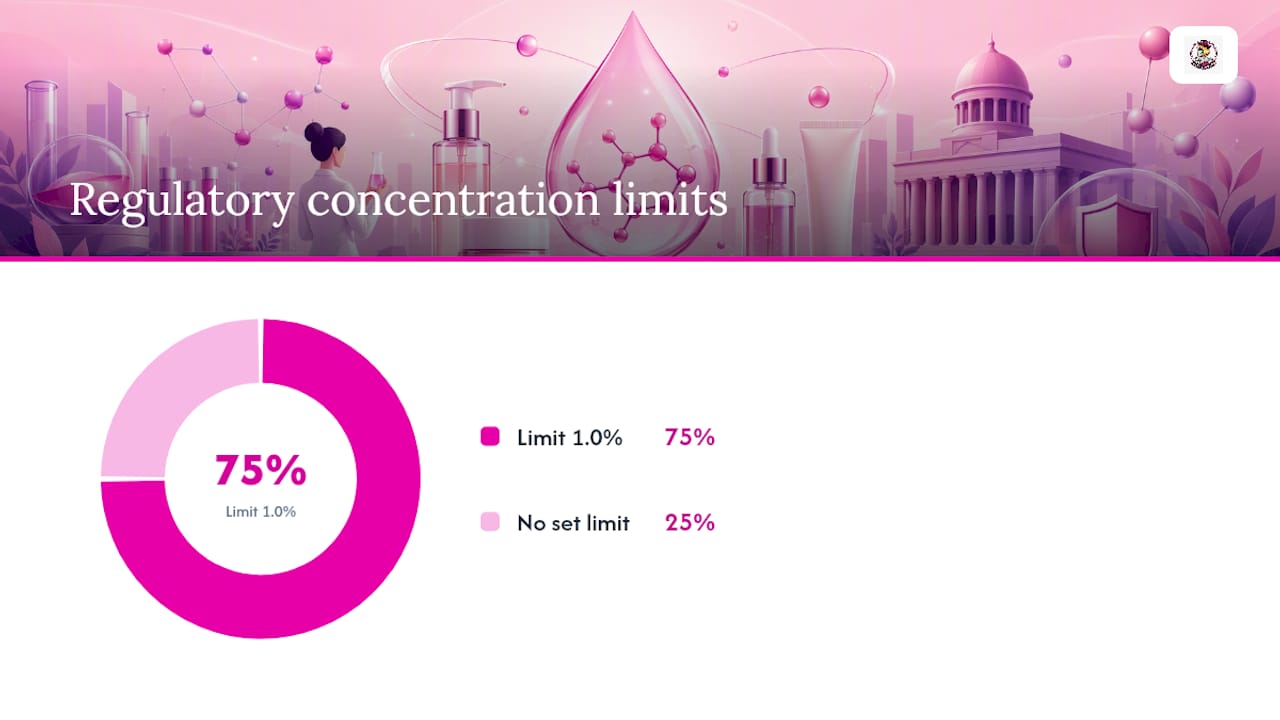
The 1% limit matters. Regulatory guidance caps phenoxyethanol at 1.0% in finished formulations. Products sold in the U.S. and EU are expected to stay within that range.
-
Reactions are rare but real. Skin irritation and contact dermatitis do occur, mostly in people with sensitive or eczema-prone skin. Severe systemic reactions are documented only in case reports.
-
Some groups need extra caution. Infants, pregnant or breastfeeding people, and anyone with a known preservative allergy should approach products containing this ingredient more carefully.
Safety threshold: The commonly accepted standard is ≤1% phenoxyethanol in the finished product. If you are unsure whether a product meets that standard, checking the full ingredient list is your first move.
Key Takeaways
| Point | Details |
|---|---|
| Regulatory consensus is clear | EU SCCS, CIR, and Japan all set a 1.0% maximum; the ingredient is authorized, not banned. |
| Reactions are rare but documented | Contact dermatitis and, rarely, systemic reactions appear in case reports, mostly in sensitive or eczema-prone skin. |
| Vulnerable groups need extra care | Infants (especially via ingestion), pregnant or breastfeeding people, and those with known preservative allergies should minimize exposure. |
| Cumulative exposure matters | Multiple leave-on products each containing phenoxyethanol raise aggregate dose beyond what single-product assessments modeled. |
| QueenCompares speeds your audit | The Ingredient Checker flags phenoxyethanol across your full routine so you can prioritize swaps without reading every label manually. |
Finally serious about weight loss? Start your plan by October with personalized care and GLP-1 medication. (US ONLY)
Table of Contents
-
What is phenoxyethanol in skincare and where does it show up?
-
How to find phenoxyethanol on labels and reduce your exposure
-
Is it banned in the EU? Is it a hormone disruptor? Common myths addressed
What is phenoxyethanol in skincare and where does it show up?
Phenoxyethanol (INCI name: Phenoxyethanol; chemical name: 2-phenoxyethanol, CAS 122-99-6) is a broad-spectrum preservative and solvent used across thousands of cosmetic formulations. Its primary job is to prevent bacterial, yeast, and fungal growth that would otherwise spoil a product within days or weeks. As PubChem’s compound summary confirms, its physicochemical properties, including moderate water solubility and stability across a wide pH range, make it well-suited for both water-based and emulsion formulas.
Beyond preservation, it functions as a solvent that helps stabilize other active ingredients in a formula. That dual role explains why formulators often pair it with other preservatives: while it handles most bacteria effectively, its activity against certain yeasts and molds can be limited at permitted concentrations, so blending it with ethylhexylglycerin or other co-preservatives fills those gaps.
You will find phenoxyethanol in a wide range of product categories:
-
Leave-on products: moisturizers, serums, eye creams, sunscreens, foundations, and tinted primers
-
Rinse-off products: cleansers, micellar waters, shampoos, and conditioners
-
Baby and personal-care items: baby wipes, diaper creams, and gentle body washes
-
Makeup: lipsticks, mascaras, and setting sprays
Learning to read INCI lists is the fastest way to spot it across your routine.
How regulators assess the safety of phenoxyethanol
The regulatory picture is consistent across major markets, even if the mechanisms differ.
The EU’s Scientific Committee on Consumer Safety issued a formal opinion concluding that phenoxyethanol is safe as a preservative at a maximum concentration of 1.0% in finished cosmetic products. The SCCS opinion also notes age-group considerations and does not account for non-cosmetic exposure sources, which is relevant when thinking about cumulative dose.
The U.S. Food and Drug Administration does not set a specific concentration limit for phenoxyethanol in cosmetics the way the EU does. However, the FDA has taken action when products caused harm: in 2008, the agency warned consumers to stop using a nipple cream containing phenoxyethanol after reports of infant toxicity linked to ingestion. WebMD’s safety overview documents that recall alongside case reports of contact dermatitis and, rarely, systemic reactions in infants. The Cosmetic Ingredient Review (CIR) panel, which advises the U.S.
Key regulatory comparison:
| Authority | Maximum Concentration | Notes |
|---|---|---|
| EU SCCS | 1.0% | Formal opinion; age-group considerations noted |
| CIR (U.S. industry) | 1.0% | Advisory panel; not legally binding |
| Japan | 1.0% | Regulatory limit in cosmetics |
| U.S. FDA | No set limit | Oversight via adverse-event reporting; recall authority |
The 2008 nipple-cream recall remains the most cited U.S. regulatory action involving phenoxyethanol. It specifically involved infant ingestion, not typical topical adult use. It also prompted clearer labeling guidance around products used near infants’ mouths.
What studies and case reports actually show
The evidence base for phenoxyethanol sits in a useful middle ground: enough data to draw reasonable conclusions, with some gaps that honest reviewers acknowledge.
A 2019 peer-reviewed safety review published in the Journal of the European Academy of Dermatology and Venereology found phenoxyethanol to be broadly effective as an antimicrobial preservative and among the better-tolerated options available to formulators. Adverse systemic effects in animals occurred only at exposures many magnitudes above what consumers encounter through topical cosmetic use. That gap between animal toxicology doses and real-world cosmetic exposure is critical context when you see alarming headlines about this ingredient.
Human evidence centers on contact dermatitis. Case reports describe sensitization reactions, primarily in people with pre-existing skin conditions or who use multiple products containing phenoxyethanol simultaneously. Anaphylaxis is documented but rare, appearing in individual case reports rather than population-level data. Physiologically based pharmacokinetic (PBPK) modeling studies, indexed on PubMed, have been used to estimate margins of safety and generally support the conclusion that topical cosmetic exposure stays well below thresholds associated with systemic harm.

The honest data gap: most safety assessments model a single product at a time. Real-world routines often involve five to ten products applied in sequence, and aggregate exposure across a full routine has not been comprehensively modeled. That is not a reason to panic, but it is a reason to audit.
Who should be most careful with phenoxyethanol?
For most healthy adults, phenoxyethanol at cosmetic concentrations is a low-risk ingredient. For certain groups, the calculus shifts.
Infants carry the highest documented risk. The 2008 nipple-cream recall involved oral ingestion, not skin contact, but it established that infant exposure pathways differ meaningfully from adult use. Products applied to the diaper area or near an infant’s mouth deserve particular scrutiny. Healthline’s consumer summary echoes this caution, noting that infant toxicity from ingestion is the primary documented concern.
Pregnant and breastfeeding people face a data gap rather than a proven harm. No large-scale human studies have specifically assessed phenoxyethanol safety during pregnancy. The precautionary approach, supported by most dermatologists, is to minimize non-essential preservative exposure and choose products with shorter, well-studied ingredient lists when possible.
People with eczema, compromised skin barriers, or known preservative allergies are more likely to experience irritation or sensitization. A damaged skin barrier allows greater absorption of any topical ingredient, including phenoxyethanol.
If you experience a reaction, here is what to do:
-
Stop using the product immediately and rinse the affected area with cool water for several minutes.
-
Do not apply other products to the irritated skin until it has calmed.
-
If redness, swelling, or itching persists beyond 48 hours, see a dermatologist.
-
For severe symptoms such as hives, difficulty breathing, or facial swelling, seek emergency care right away.
-
Bring the product’s full ingredient list to your appointment so a patch test can identify the specific culprit.
Pro Tip: Phenoxyethanol can act as a penetration enhancer, potentially increasing absorption of other irritants in the same formula. If you react to a product, do not assume phenoxyethanol is automatically the cause. A dermatologist-administered patch test is the only reliable way to confirm the trigger.
How common are reactions, and why does layering matter?
Sensitization rates for phenoxyethanol in the general population are low. The 2019 Dréno review characterizes it as one of the better-tolerated preservatives, with adverse reactions being uncommon in clinical studies. That said, “low frequency” does not mean zero, and the frequency rises in populations with pre-existing skin conditions.
Cumulative exposure is where the math gets interesting. Add a cleanser, a sunscreen, a serum, and a makeup primer, each potentially containing phenoxyethanol, and your aggregate daily dose climbs meaningfully above what any single-product safety assessment modeled. Healthline’s guidance specifically flags this: a routine audit is a practical risk-mitigation strategy, not an overreaction.
Pro Tip: Do a quick tally before your next shopping trip. Pull out every product in your current AM and PM routine, scan the ingredient lists, and mark which ones contain Phenoxyethanol. If four or more products in a single routine contain it, that is a reasonable signal to prioritize swaps, starting with leave-on products, which contribute more to cumulative dose than rinse-off ones.
How to find phenoxyethanol on labels and reduce your exposure
Reading an INCI list takes about 30 seconds once you know what to look for. The ingredient always appears as Phenoxyethanol, no abbreviations, no synonyms on consumer labels. Understanding formula transparency helps you interpret what ingredient placement actually signals.
Step-by-step exposure audit:
-
Gather every product in your daily routine, AM and PM.
-
Scan each ingredient list for the exact string Phenoxyethanol.
-
Note whether each product is leave-on (moisturizer, serum, sunscreen) or rinse-off (cleanser, shampoo).
-
Flag leave-on products first. They contribute more to cumulative dose because they stay on skin for hours.
-
For flagged leave-on products, check whether an alternative formulation exists in airless pump or single-dose packaging, which often requires fewer or lower-concentration preservatives.
-
Prioritize replacing products used on compromised skin, the eye area, or the lips, where absorption tends to be higher.
-
Reduce product overlap: if two steps in your routine serve the same function, consolidate to one.
Pro Tip: An ingredient checker or label scanner tool speeds this process considerably. Scan the barcode or paste the ingredient list, and the tool flags phenoxyethanol and shows how many products in your saved routine contain it. QueenCompares’s Ingredient Checker does exactly this, with no dermatology degree required.
Are the alternatives actually safer?
The short answer: it depends on the alternative, and “preservative-free” is not a synonym for safer.
Formulators who reduce or eliminate phenoxyethanol typically turn to one of several strategies. Parabens (methylparaben, ethylparaben) have a longer safety record and are still widely used, though they carry their own consumer perception challenges. Ethylhexylglycerin is commonly paired with phenoxyethanol in lower-concentration blends precisely because the combination covers a broader microbial spectrum than either alone. Caprylyl glycol, sodium benzoate, and potassium sorbate appear in “cleaner” formulations, each with its own efficacy and sensitization profile.
Preservative-free products are appropriate in specific contexts: single-use sachets, anhydrous (water-free) formulas like solid balms, and products in truly airless packaging with no water activity. Outside those conditions, a water-containing product with no preservative system is a microbial contamination risk. The 2019 Dréno review makes this point plainly: the greater risk to consumers often comes from microbial contamination of poorly preserved products, not from the preservatives themselves.
Airless pump dispensers and single-dose packaging reduce the need for high preservative loads by limiting oxygen and water exposure. If you are sensitive to multiple preservatives, these formats are worth seeking out.
Environmental and occupational notes
Consumer-level exposure to phenoxyethanol through normal cosmetic use is not considered an acute environmental hazard. The ecotoxicology data available suggest low-to-moderate aquatic toxicity, though most assessments are limited in scope and depend heavily on use patterns and wastewater treatment efficiency.
A few practical precautions worth keeping in mind:
-
Avoid inhaling sprays or aerosols containing phenoxyethanol, particularly in enclosed spaces. Inhalation exposure is a different route than skin contact and has not been as thoroughly studied at consumer concentrations.
-
If you accidentally get a product containing phenoxyethanol in your eyes, rinse thoroughly with cool water for at least 15 minutes and seek medical advice if irritation persists.
-
Keep raw cosmetic concentrates (relevant for DIY formulators) away from children and pets. The safety data applies to finished formulations at ≤1%, not undiluted raw material.
-
Workers handling concentrated phenoxyethanol in manufacturing settings should follow occupational safety guidelines, including gloves and adequate ventilation, as concentrated material carries higher irritation risk than finished products.
Is it banned in the EU? Is it a hormone disruptor? Common myths addressed
Myth: Phenoxyethanol is banned in the EU. False. The EU authorizes phenoxyethanol as a preservative in cosmetics at up to 1.0%, per the SCCS formal opinion. Some EU member states have issued additional guidance around use in products for children under three, but the ingredient is not banned.
Myth: Phenoxyethanol disrupts hormones. The hormone-disruption concern originates from high-dose animal studies. At the concentrations present in cosmetic products, there is no established evidence of endocrine disruption in humans. Healthline’s review notes that experts caution against conflating high-dose animal findings with realistic cosmetic exposures, where doses are orders of magnitude lower. The wellness and ingredient safety context is worth reading if you want a broader framework for evaluating these kinds of claims.
Myth: You should always avoid phenoxyethanol. For most healthy adults, avoidance is not necessary. The evidence supports a risk-proportionate approach: check your routine for cumulative exposure, prioritize swaps for leave-on products if you are in a vulnerable group, and patch test new products. Blanket avoidance often leads people toward preservative-free alternatives that carry their own microbial risks.
A practical routine audit you can do right now
Auditing your routine for phenoxyethanol takes about ten minutes and gives you a clear picture of your actual exposure.
-
List every product you use in a typical day, AM and PM, including any products used on your body or hair.
-
Pull up each ingredient list, either from the packaging or a reliable ingredient database like the QueenCompares Ingredient Library.
-
Tag each product that contains Phenoxyethanol and note whether it is leave-on or rinse-off.
-
Rank your leave-on products by how much skin surface area they cover and how long they stay on. A full-face moisturizer worn all day contributes more than a spot treatment used occasionally.
-
Identify your top two or three replacement candidates: the leave-on products with the highest surface area and longest contact time.
-
Check packaging options for those products. Airless pumps and single-dose formats often use lower preservative loads.
-
Run your revised routine through an ingredient checker to confirm you have reduced the number of overlapping phenoxyethanol sources.
A typical five-product AM routine (cleanser, toner, serum, moisturizer, sunscreen) could realistically contain phenoxyethanol in three or four of those steps. Swapping the serum and moisturizer to airless-pump alternatives, or choosing formulations that use a different preservative system, can meaningfully reduce cumulative dose without requiring a complete routine overhaul. Building a safe skincare routine covers the broader framework for making those swaps strategically.
A note on weighing the evidence
The conversation around phenoxyethanol tends to split into two camps: blanket reassurance (“it’s fine, regulators approved it”) and blanket alarm (“it’s toxic, avoid it”). Neither serves you well.
The evidence supports a more nuanced position. The real complexity lies in cumulative exposure across multi-product routines, in the specific vulnerabilities of infants and people with compromised skin barriers, and in the honest acknowledgment that long-term aggregate exposure modeling has not been fully completed. Evidence-led means accepting both what the data shows and where it stops.
If you experience a reaction, patch testing with a dermatologist is more useful than self-diagnosing from ingredient lists. And if you are pregnant, breastfeeding, or caring for an infant, a conversation with your healthcare provider about your current product routine is a reasonable, proportionate step.
QueenCompares makes your ingredient audit faster
Knowing phenoxyethanol is in your products is step one. Knowing how many of your products contain it, and which ones to swap first, is where most people get stuck.
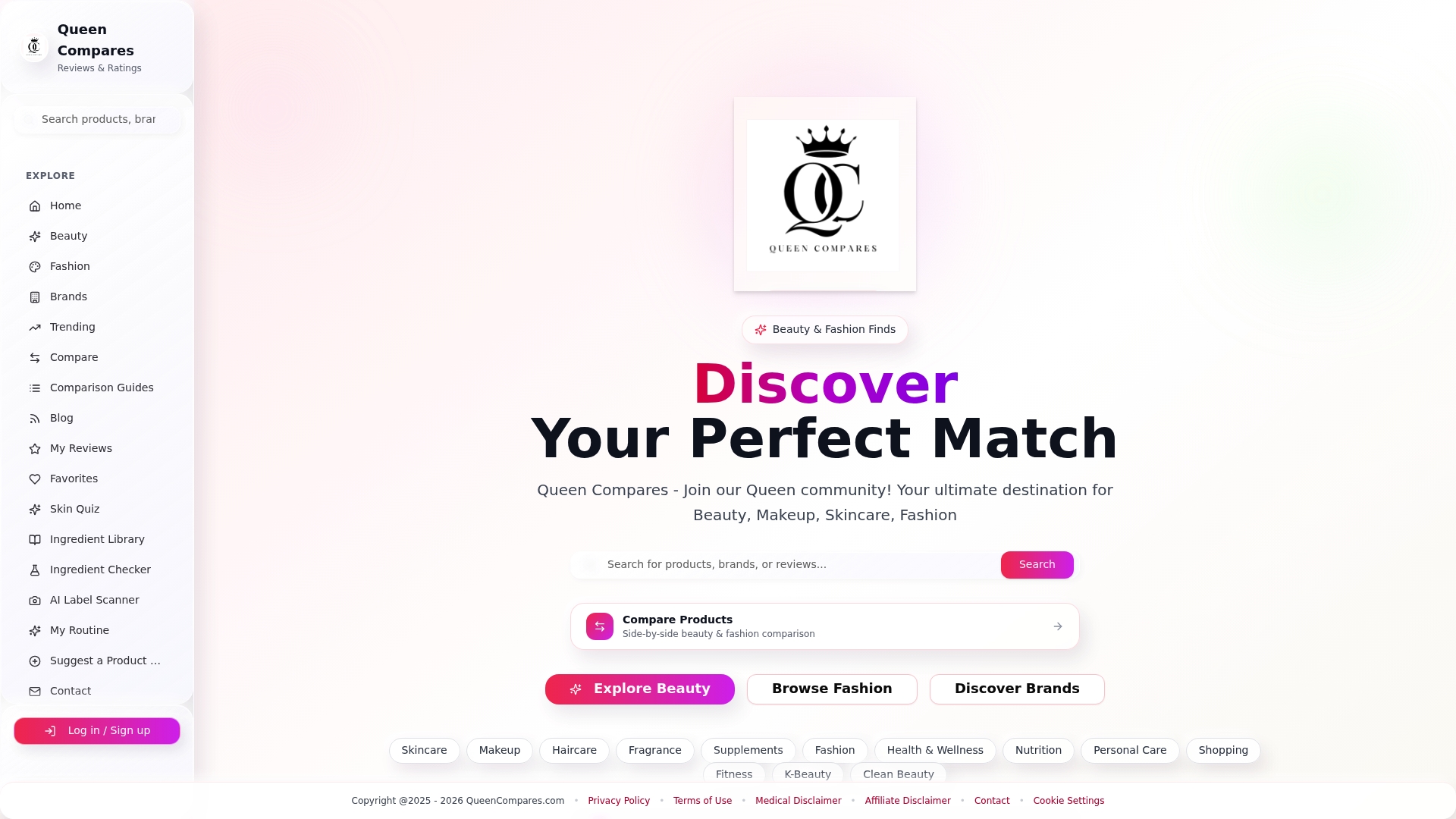
QueenCompares’s Ingredient Checker lets you scan or paste a full ingredient list and instantly flags phenoxyethanol alongside other ingredients worth watching. You can track multiple products at once, compare formulations side by side, and use the Ingredient Library to pull up safety context for any ingredient in your routine. It is not a medical tool and does not replace a dermatologist’s advice, but for a quick, practical routine audit, it gives you a clear picture in minutes rather than hours. Start with the products you use every day and let the data guide your next swap.
Sources
The following references are the primary sources behind the safety conclusions in this article. Each is publicly accessible and worth reading if you want the full evidence base.
This article provides general information only and is not a substitute for professional medical or dermatological advice. If you suspect a reaction to any cosmetic ingredient, consult a licensed healthcare provider.
FAQ
Is phenoxyethanol banned in the EU?
No. Some guidance around use in products for very young children exists, but there is no EU-wide ban.
Is phenoxyethanol a hormone disruptor?
There is no established evidence of endocrine disruption at cosmetic concentrations. Hormone-disruption concerns stem from high-dose animal studies conducted at exposures far above what topical cosmetic use delivers.
Should I avoid phenoxyethanol in skincare?
Most healthy adults do not need to avoid it outright. A more practical approach is to audit your routine for cumulative exposure, prioritize swaps for leave-on products if you are pregnant, breastfeeding, or have sensitive skin, and patch test new products before full use.
Why is phenoxyethanol controversial?
The controversy largely reflects a mismatch between high-dose animal toxicology findings and real-world cosmetic exposure levels. The 2008 infant nipple-cream recall added legitimate concern around infant ingestion, which is a genuinely different risk pathway from standard adult topical use.